Indian Dishes with a Nepalese Twist: Where Himalayan Flavours Meet Indian Classics
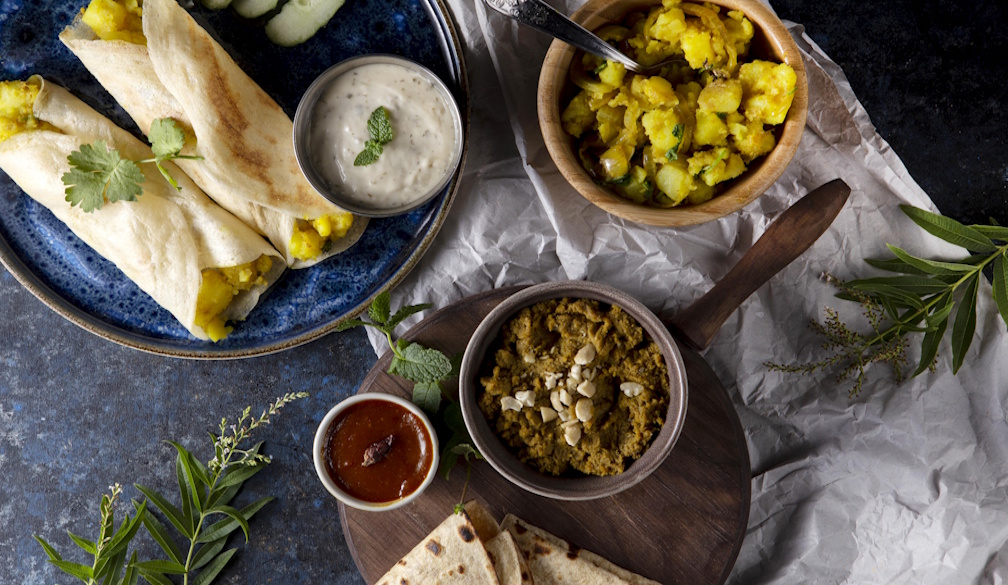
Indian and Nepalese cuisines share many similarities, yet each has a distinct identity. Nepalese cooks often adapt Indian-origin dishes, giving them a unique Himalayan spin. This fusion blends bold spices, fresh ingredients, and creative cooking techniques. The result is dishes that feel familiar yet surprising.
Whether you’re enjoying Nepalese street food in Melbourne or cooking at home, these adaptations showcase culinary creativity and tradition. Every bite tells a story of heritage, innovation, and flavour. From casual snacks to hearty meals, Nepalese twists on Indian dishes highlight the best of both worlds.
Fried Momos with Indian Chilli Sauce
Momos are traditionally Nepalese dumplings, yet they have evolved to include Indian-inspired flavours.
Steamed or fried momos are sometimes tossed in Indian-style chilli sauce, inspired by Indo-Chinese cuisine. The dumplings remain soft inside while the sauce provides a tangy, sweet, and mildly spicy kick.
This combination is popular as a street food snack and as an appetizer in restaurants. It balances textures beautifully: the crunchy exterior from frying or sauce glaze contrasts with the tender filling. This dish is perfect for sharing, making it a favourite among groups and families.
Curry Momos
Curry is an Indian staple, but Nepalese cooks often simmer momos in aromatic curry gravy.
These curry momos combine soft dumplings with spices like cumin, coriander, turmeric, and garam masala. The dumplings absorb the gravy, making each bite rich and comforting.
Curry momos are usually served hot, often with steamed rice or a side salad. They are ideal for those seeking a filling meal with bold flavours. This dish is a great example of how Nepalese chefs creatively integrate Indian culinary elements.
Fried Rice and Noodles with a Nepalese Twist
Fried rice and chow mein have Indian roots, but Nepalese cooks make them unique with local touches.
Himalayan herbs, mustard oil, and subtle spices add an earthy, aromatic dimension. Sometimes, momos or spiced meats are added directly to fried rice or noodles. This fusion plate delivers diverse textures and layers of flavour.
The dish is colourful and vibrant, often garnished with fresh coriander or spring onions. It showcases Nepalese creativity and appeals to diners looking for something hearty yet flavourful.
Paneer and Vegetable Dishes Reimagined
Popular Indian dishes like paneer butter masala or aloo gobi are often prepared differently in Nepal.
Nepalese versions use less cream, Himalayan spices, and slightly increased heat. This gives a lighter, more aromatic version while keeping the dish’s essence intact.
These adaptations also highlight local ingredients, like fresh mountain herbs or mustard oil. They are excellent options for vegetarians and spice lovers alike. Pairing them with rice or bread creates a complete fusion meal.
Samosas and Pakoras with Local Flavours
Samosas and pakoras are traditional Indian snacks, but Nepalese cooks add local twists.
Fillings may include spiced potato blended with Himalayan herbs or paneer enhanced with mustard oil. Some pakoras are made with seasonal vegetables or unique spice blends.
These snacks are typically fried to golden perfection and served with chutney or yogurt-based dips. They are perfect for teatime or as part of a street food platter. The crunch, spice, and aroma make them irresistible to locals and visitors alike.
Chow Mein and Momo Combos
Chow mein originates from Indian-Chinese cuisine, but Nepalese cooks often combine it with momos.
Soft dumplings are sometimes served on the side or tossed directly into noodles with sauces. This creates a fusion plate that balances chewy noodles, tender dumplings, and bold spices.
It’s a favourite in Nepalese restaurants and street food stalls in Melbourne. This combination shows the creativity and flexibility of Nepalese cuisine while offering a fun, satisfying meal.
Cultural and Culinary Significance
Nepalese adaptations of Indian dishes go beyond taste. They reflect the shared history, migration, and cultural exchange between the two regions.
The Himalayas influence Nepalese cooking, adding local herbs and mustard oil. Indian techniques and spices enhance richness and complexity. This creates dishes that are both comforting and exciting.
Fusion dishes are also socially engaging. Sharing a plate of curry momos, pakoras, or chow mein with friends encourages conversation and exploration. It’s a way to enjoy multicultural cuisine in a single meal.
Why These Dishes Work
Indian and Nepalese flavours naturally complement each other. Garlic, ginger, cumin, coriander, and chilli are common in both cuisines. Nepalese cooks adjust spice levels, textures, and cooking methods to create unique variations.
Fusion dishes are playful yet approachable. Diners experience familiar tastes while enjoying new combinations. Every bite offers contrast: soft dumplings, crunchy snacks, creamy curries, and aromatic rice.
Final Thoughts
Nepalese adaptations of Indian dishes highlight culinary innovation and tradition. From fried momos in chilli sauce to curry momos, spiced fried rice, paneer dishes, samosas, pakoras, and chow mein, each plate tells a story.
These dishes showcase bold flavours, textures, and aromas that appeal to food lovers. For anyone exploring Nepalese street food or Nepalese food in Melbourne, these dishes offer comfort, spice, and creativity.
Every bite reflects the harmony of two rich culinary cultures. Fusion dishes like these prove that tradition and innovation can coexist deliciously on the plate.