Designing an Eco Conscious Kitchen That Lasts
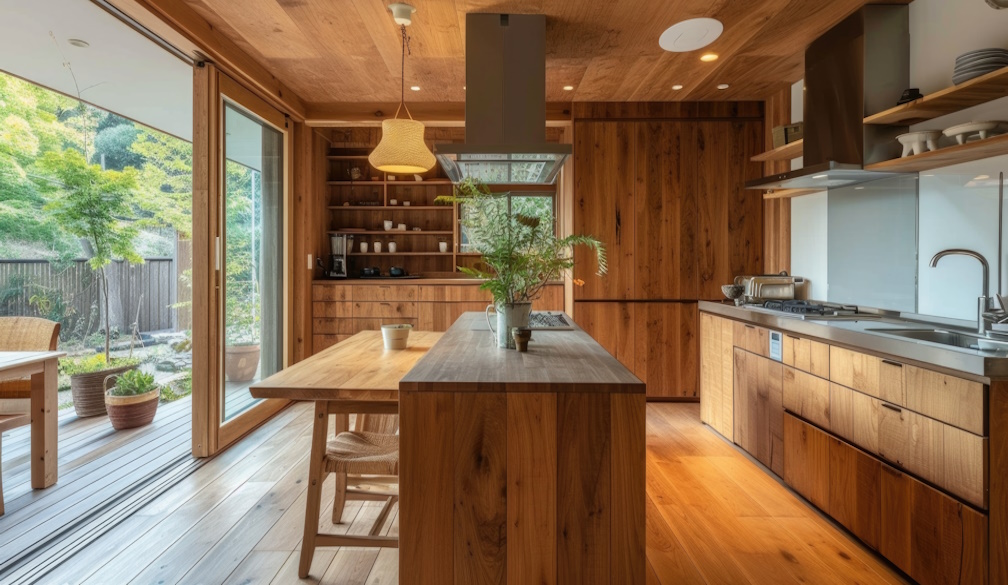
Sustainable kitchens are no longer a passing trend in Australia. They reflect a growing shift towards environmentally responsible living, particularly for homeowners who want to reduce their impact on the planet. Whether you are planning a small update or a full renovation, it is entirely possible to design a kitchen that is eco friendly, efficient, and built for long term peace of mind.
Even modest design decisions can lower waste, reduce energy use, and cut ongoing household costs. If you are looking for practical ways to achieve a more sustainable kitchen, this guide will help.
This article explores the key considerations for building a sustainable kitchen and shows how thoughtful design choices can support a greener future.
Why Choose a Sustainable Kitchen
Sustainable kitchens encourage smarter living and long term thinking. They are designed to reduce environmental impact while creating a space that remains functional and beautiful for years to come.
Reduced Energy Use
Energy efficiency is a core feature of sustainable kitchens and can be achieved through:
- Energy efficient appliances such as modern refrigerators, ovens, dishwashers, induction cooktops, and inverter technology
- LED lighting which uses significantly less energy than traditional lighting and allows for targeted task illumination
- Smart controls including timers, motion sensors, smart plugs, and thermostats to manage power usage
- Efficient ventilation systems that improve airflow without excessive electricity consumption
- Water saving fixtures such as low flow taps and efficient dishwashers that reduce water and energy use
These elements help lower ongoing utility costs while supporting an energy conscious household.
Lower Waste Levels
Sustainable kitchens often incorporate recycled or reclaimed materials that reduce landfill waste while adding character and uniqueness to the space. Options such as recycled glass surfaces, reclaimed timber, and repurposed tiles or splashbacks improve resource efficiency without sacrificing design quality.
Long Term Cost Benefits
Although some sustainable kitchen features may involve higher upfront investment, they generally offer strong long term value. Reduced power and water bills, along with durable materials that require fewer replacements or repairs, help homeowners protect their investment over time.
Core Features of a Sustainable Kitchen
Eco friendly kitchens are designed to minimise environmental impact while remaining visually appealing and practical, an important consideration in Kitchen remodeling in Milwaukee.
Environmentally Responsible Materials
Sustainable kitchens built by Gold Coast kitchen renovators rely heavily on materials that are responsibly sourced and low in toxins. Examples include cabinetry made from FSC certified timber, which supports responsible forestry and improves indoor air quality.
Other popular choices include recycled glass, reclaimed timber, bamboo, terracotta tiles, mycelium tiles, and eco-friendly composite materials. These options combine durability with environmental awareness.
Energy Efficient Appliances
Appliances with high energy ratings use less electricity than standard models. Induction cooktops are a strong alternative to traditional stovetops, as they heat cookware directly and deliver high efficiency with minimal energy loss.
Instant boiling water taps are another energy saving option, replacing the need for traditional kettles and reducing wasted power.
Water Conservation Strategies
Water efficiency is achieved through low flow fixtures and modern dishwashers designed to minimise water usage. Promptly repairing leaks and reusing greywater where appropriate can further enhance water conservation in the kitchen.
Smart Technology Integration
Smart technology plays an increasing role in sustainable kitchens across Australia. Smart ovens, cooktops, lighting, ventilation systems, and appliances help regulate energy use and improve efficiency.
Centralised apps allow homeowners to monitor usage patterns and adjust settings during off peak periods, helping reduce electricity costs.
Energy Efficient Lighting Solutions
LED lighting, motion sensors, and under cabinet task lighting significantly reduce energy consumption while improving visibility and functionality. These systems can cut lighting related energy use by up to ninety percent.
Effective Waste Management
Thoughtful waste management is essential in an eco-friendly kitchen. Compost bins, clearly defined recycling zones, and reusable kitchen items help reduce landfill waste and support sustainable daily habits.
Sustainable Kitchen Countertops Pros and Cons
Sustainable countertops are a popular choice in Australian kitchens, offering durability, style, and environmental benefits. Understanding their advantages and limitations helps homeowners make informed decisions.
Benefits of Sustainable Countertops
- Environmentally responsible materials reduce reliance on virgin resources and lower landfill waste
- High durability with resistance to heat, stains, and scratches
- Attractive designs with natural textures and modern finishes
- Improved indoor air quality due to low or zero VOC materials
- Low maintenance requirements for many recycled or bamboo based surfaces
Potential Limitations of Sustainable Countertops
- Higher initial cost for some premium recycled glass or composite options
- Limited availability of certain materials, which may restrict colour or style choices
- Specialised installation requirements for heavier or more delicate surfaces
Final Thoughts on Sustainable Kitchens
Forward thinking homeowners recognise that kitchens can do more than serve daily needs. A sustainable kitchen built by an experienced Nerang kitchen renovation specialist reduces energy and water usage, improves indoor air quality, limits waste, and lowers environmental impact, all while delivering lasting comfort and value.
Beyond appearance and functionality, sustainable kitchens support a healthier planet and set a positive example for future generations.