Pros and Cons of Solid and Hollow Composite Decking
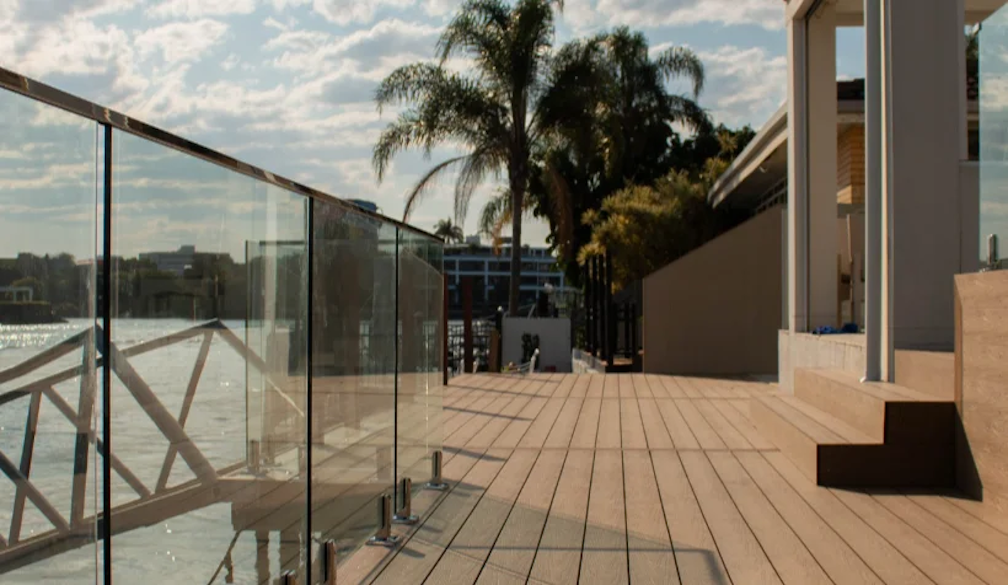
For many Australians, the backyard is an extension of the living room, a modern sanctuary perfect for family barbecues, pool parties, or simply unwinding after a long week.
When upgrading this space, composite decking has become the gold standard. It enhances curb appeal and functionality without the burden of the constant maintenance required by traditional timber.
However, once you have decided on composite, you face another choice: Solid or Hollow boards?
If you are stuck at this crossroads, don’t worry. As a trusted provider of high-quality decking in Australia, we are here to guide you. This blog breaks down the key differences, pros, and cons of each option, empowering you to invest with confidence.
Why Choose Composite Over Timber?
Before diving into the board types, it is worth remembering why composite has become the superior choice over the last few decades.
- Low Maintenance: Say goodbye to sanding, oiling, and painting. A simple wash is all that is needed.
- Safety First: Composite boards often feature superior anti-slip ratings, making them safer for wet areas like poolsides.
- Durability: Engineered to resist rotting, warping, splitting, and termite attacks.
- Sustainability: Made from a blend of recycled plastics and reclaimed wood fibres, composite decking reduces landfill waste and saves trees.
- UV Stability: modern boards are equipped with UV inhibitors to maintain their colour far longer than timber.
Solid vs. Hollow: The Similarities
Regardless of which internal structure you choose, both solid and hollow composite boards share the core benefits of the material:
- High Stain Resistance: Impermeable surfaces repel spills.
- Easy Installation: Both utilise hidden fastener systems for a clean finish.
- Longevity: Both options come with extensive warranties against rot and decay.
The Key Differences
While they look similar from the surface, the internal engineering makes a significant difference in performance, cost, and feel.
1. Construction & Weight
- Hollow Boards: Feature internal cavities (often a honeycomb or tunnel design). This significantly reduces the weight, making them easier to transport and handle during DIY installation.
- Solid Boards: Feature a dense, compact core throughout. They are heavier and require more effort to lift, but this mass provides a sturdy, robust feel underfoot that mimics real hardwood.
2. Durability & Traffic
- Hollow: While durable enough for standard residential backyards, the lighter structure makes them slightly more prone to damage under heavy impact.
- Solid: The dense core offers superior strength. They are the ideal choice for high-traffic areas, commercial spaces, or Sydney deck boards that will support heavy loads like large furniture, hot tubs, or outdoor kitchens.
3. Aesthetics & Finishing
- Hollow: Because the ends are open, you will need to use "end caps" or fascia boards to hide the internal holes and ensure a clean finish.
- Solid: The ends look like solid timber. While fascia is still recommended for a polished look, the cut ends are less obtrusive, offering more flexibility in design (such as bullnose edges).
4. Thermal Expansion & Sound
- Hollow: The air pockets allow heat to dissipate quickly, but the thinner walls can expand and contract more with temperature fluctuations. They can also sound slightly "hollow" or drummy when walked on.
- Solid: The dense mass absorbs sound, making footsteps quieter (like concrete or timber). While they hold heat longer, they are structurally more stable against warping in extreme temperature shifts.
5. Cost
- Hollow: Because they use less material, they are generally more cost-effective. They are perfect for homeowners on a strict budget who still want the low-maintenance benefits of composite.
- Solid: These are a premium product. While the upfront cost is higher, the superior durability and longevity often provide a better return on investment over the life of the deck.
The Verdict: Which Should You Choose?
Choose Hollow Composite Decking If:
- You are working with a tighter budget.
- You are DIY-ing the project and want lighter materials to handle.
- You are retrofitting a deck over an existing frame where weight is a concern.
- The area will see standard residential foot traffic.
Choose Solid Composite Decking If:
- You want the highest quality, most timber-like feel underfoot.
- Your deck will experience heavy foot traffic or support heavy items (spas, heavy grills).
- You prefer a quieter deck with superior sound absorption.
- You are looking for maximum long-term durability and structural integrity.
- You want a quality deck solution that is readily available through many trusted Australian decking distributors
Final Thoughts
Whether you choose solid or hollow, you are making a smart investment in your home’s future value. Both options offer a stunning, eco-friendly upgrade from traditional timber.
Still unsure which board is right for your project? Contact our team today for expert advice tailored to your specific garden design.