Exploring the Independence Solar Power Provides from Energy Rate Hikes in Australia
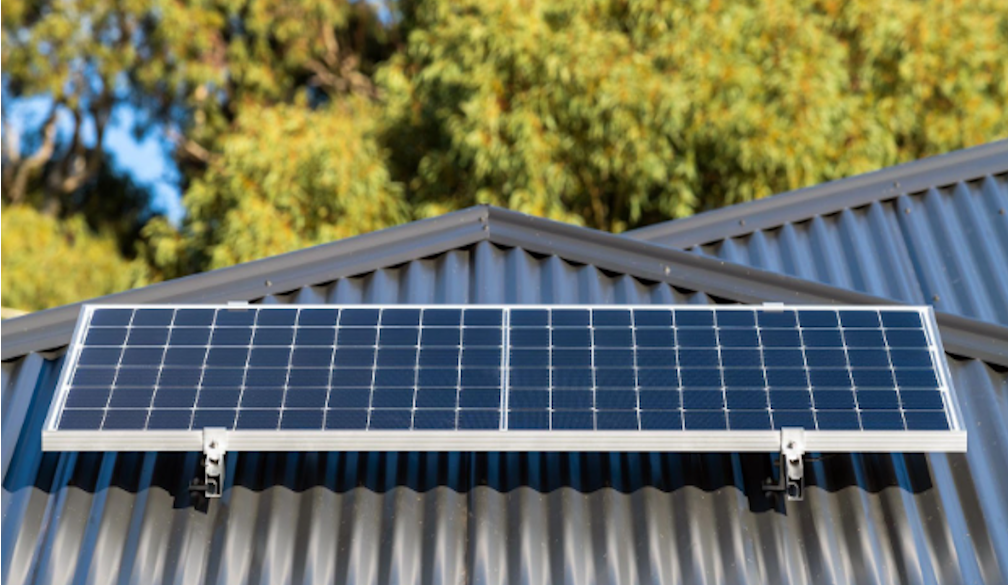
The ever-increasing frequency of energy rate hikes has become a point of significant concern worldwide. Australia's energy market is no exception, as consumers frequently witness fluctuations in their electricity bills. In this context, solar power has emerged as an increasingly popular alternative for those seeking more stable energy costs. By capturing sunlight and converting it into electricity, solar energy promotes energy independence, reducing reliance on conventional power grids. This article examines how solar power can mitigate the effects of rate hikes, offering a more consistent and reliable energy source.
The Growing Concern Over Energy Rate Hikes
Historically, energy prices have been subject to fluctuations due to various factors, including the cost of fuel, infrastructure maintenance, and market dynamics. In recent years, these prices have witnessed notable spikes, driven by increased demand, geopolitical tensions, and regulatory changes, among other factors. As a result, both households and businesses are experiencing the financial strain of higher energy costs.
For many, the unpredictability of energy prices underscores the importance of exploring alternatives to traditional energy sources. The rising financial burden compels consumers to seek solutions that provide stability and reduce dependency on external factors that influence energy prices. Solar power stands out as a viable option, providing a buffer against volatile energy markets.
How Solar Power Provides Independence from Conventional Energy Prices
Solar power offers a unique method of generating renewable energy through the use of photovoltaic panels, which capture sunlight and convert it into electricity. This process enables property owners to produce their own electricity, reducing their reliance on the grid. By utilising solar panels, households and businesses can achieve a measure of independence from conventional energy prices.
Financially, this shift translates to reduced reliance on utility companies, leading to significant savings. By generating their electricity, solar-powered properties often experience greater consistency in energy costs, compared to those solely reliant on the grid. Furthermore, the rising cost of traditional energy sources amplifies the economic appeal of solar power, as more Australians look to achieve solar freedom from high bills and protect themselves from future rate hikes.
The Economic Advantages of Solar Power
While the upfront costs of installing solar panels may seem daunting, they are counterbalanced by significant long-term savings. Over the lifespan of a solar system, users enjoy reduced electricity bills, effectively offsetting the initial investment. Additionally, several government incentives, rebates, and policy supports are available to assist with the upfront costs, making solar energy a more accessible option for many Australians.
Installing solar panels also enhances property appeal and value, as energy-efficient homes are in increasing demand. Potential buyers see the long-term benefits of reduced energy costs, which improve the marketability of solar-equipped properties. Moreover, solar power offers predictability in energy expenses, allowing users to budget more effectively over time.
Environmental Benefits Contributing to Energy Independence
The environmental advantages of solar power go hand in hand with energy independence. As a clean and renewable energy source, solar power significantly reduces carbon footprints, promoting a sustainable future. By decreasing reliance on fossil fuels, solar energy aids in the global shift towards more sustainable energy practices.
Contributing to global energy transition goals, solar power plays a pivotal role in reducing greenhouse gas emissions. By helping to curb pollution and environmental degradation, solar energy supports a broader commitment to protecting the environment, further underscoring its importance in achieving energy independence.
Overcoming Challenges to Achieve Independence with Solar Power
Despite its benefits, solar power faces challenges, including common misconceptions and technical inefficiencies. Addressing these issues requires accurate information dissemination and solutions to improve efficiency. For instance, advancements in solar technology continue to enhance panel performance and storage solutions.
The importance of regular maintenance and monitoring of solar panels cannot be understated, as proper upkeep ensures optimal functionality. Additionally, future innovations in solar technology promise enhanced independence, making solar power an even more attractive option for energy stability.
Conclusion: Embracing Solar Power for a Stable Energy Future
In conclusion, solar power offers a host of advantages in achieving energy independence. By providing a more predictable and stable energy source, it mitigates the impact of rate hikes that have become all too common. The potential for solar energy to transform the global energy landscape is immense, with both individuals and businesses encouraged to explore solar solutions.
The ongoing evolution of solar technology not only supports sustainable energy practices but also promises a future where energy independence is within reach for many. As the world continues to embrace renewable energy sources, solar power remains a key player in providing solutions for a more stable and secure energy future.