Advancing Heart Care with CARDIOLOGY Treatment and Rehabilitation
Heart health is a vital part of living a balanced and energetic life. As cardiovascular diseases continue to rise globally, the importance of proper diagnosis, treatment, and recovery strategies has become more significant than ever. Modern cardiology now focuses on a complete care cycle that not only treats heart conditions but also helps patients recover fully and prevent future complications.
One of the most common heart-related conditions is angina, which occurs when the heart muscle does not receive enough oxygen due to reduced blood flow. This condition often presents as chest pain, pressure, or discomfort, especially during physical activity or stress. Ignoring these warning signs can lead to more serious issues, making early intervention essential.
Comprehensive care options such as CARDIOLOGY Treatment and Rehabilitation provide patients with a structured path to recovery. These programs are designed to manage heart conditions effectively while supporting long-term health through personalized care plans.
Treatment usually begins with medications that help regulate heart function, lower cholesterol levels, and control blood pressure. These medications are often combined with lifestyle changes, which play a major role in improving cardiovascular health. Simple habits such as maintaining a nutritious diet, staying physically active, and reducing stress can make a significant difference in overall heart performance.
In more complex cases, medical procedures may be necessary. Techniques like angioplasty are widely used to open blocked arteries and restore proper circulation. These minimally invasive procedures have proven to be highly effective in reducing symptoms and improving the quality of life for patients.
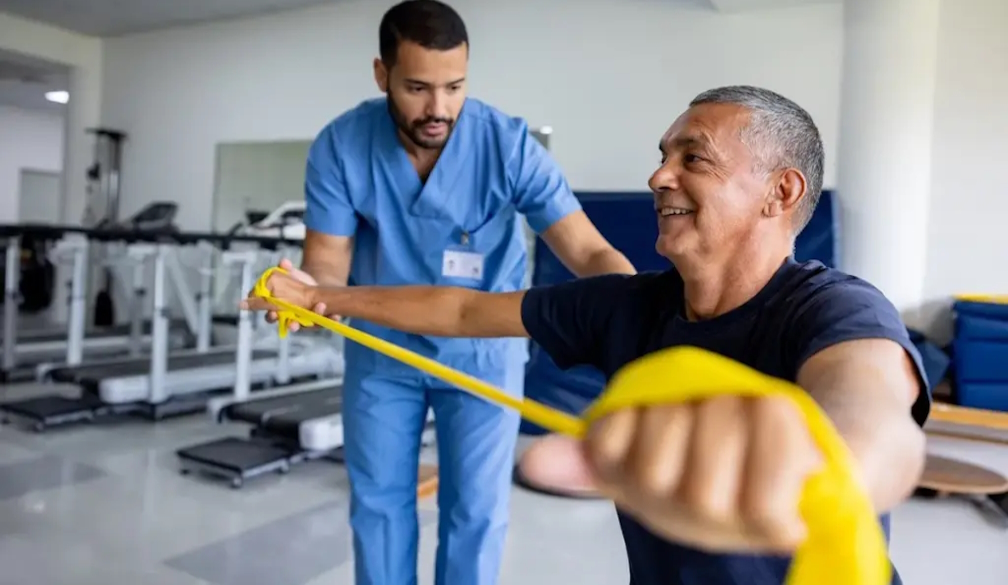
However, treating the condition is only one part of the process. Recovery and rehabilitation are equally important in ensuring long-term success. Cardiac rehabilitation programs are carefully designed to help patients regain strength, improve endurance, and adopt healthier lifestyles. These programs typically include supervised exercise, dietary counseling, and emotional support.
A key advantage of rehabilitation is its individualized approach. Each patient receives a plan tailored to their specific needs, medical history, and recovery goals. This ensures that progress is steady and safe, minimizing the risk of future complications.
Education also plays a central role in these programs. Patients are guided on how to manage their condition, recognize early warning signs, and maintain heart health over time. This empowers them to take control of their well-being and make informed decisions in their daily lives.
For individuals seeking a reliable and effective approach to heart care, exploring CARDIOLOGY Treatment and Rehabilitation can be an important step. Access to expert care combined with structured rehabilitation can significantly improve recovery outcomes.
In conclusion, cardiology today emphasizes a holistic approach that integrates treatment, recovery, and prevention. By combining medical expertise with healthy lifestyle choices, patients can not only manage heart conditions effectively but also enjoy a healthier and more active future.