Cardiology Diagnosis and Tests: Detecting Heart Conditions Early
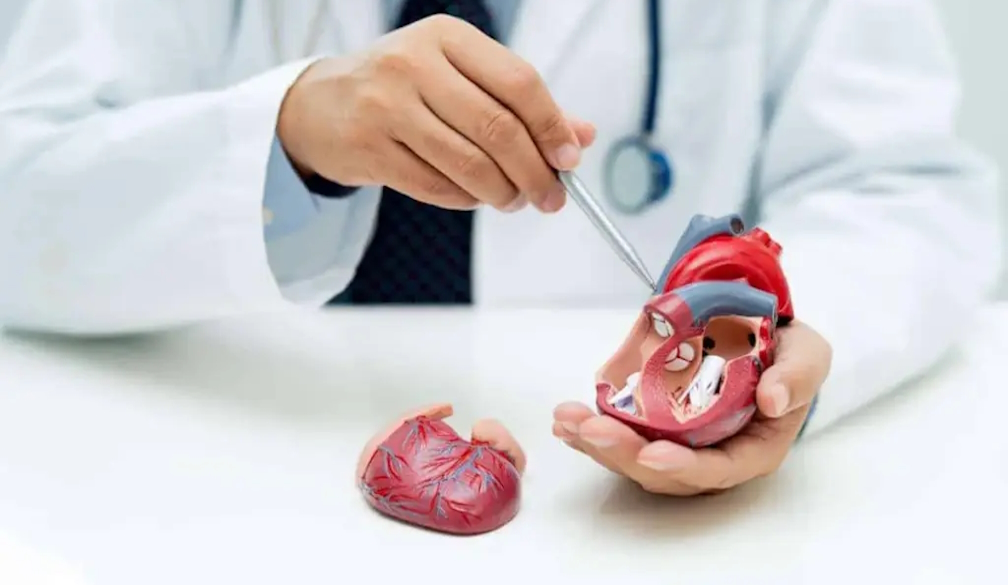
Heart disease remains one of the leading causes of health complications worldwide. Early detection plays a critical role in preventing severe outcomes and ensuring effective treatment. Cardiology diagnosis and tests are essential tools used by healthcare professionals to evaluate heart function, identify potential problems, and determine the most appropriate treatment plan for patients.
Modern cardiology relies on advanced diagnostic technologies that allow doctors to examine the heart, blood vessels, and overall cardiovascular system in detail. These tests help detect conditions such as coronary artery disease, heart rhythm disorders, valve problems, and aortic aneurysms before they become life-threatening.
The Importance of Early Cardiac Diagnosis
Heart-related conditions may not always show obvious symptoms in their early stages. Many patients only realize something is wrong after experiencing chest discomfort, fatigue, or breathing difficulties. For this reason, routine heart check-ups and diagnostic tests are extremely important, especially for individuals with risk factors such as high blood pressure, diabetes, or a family history of heart disease.
Medical institutions offer comprehensive cardiology services that include advanced screening, diagnostic procedures, and specialized heart care. Early diagnosis allows doctors to intervene quickly and prevent further complications.
Common Cardiology Diagnostic Tests
Cardiologists use several types of tests to evaluate heart health. Each test provides different information about how the heart is functioning.
Electrocardiogram (ECG)
An ECG is one of the most common heart tests. It records the electrical activity of the heart and helps detect irregular heart rhythms, heart attacks, or other abnormalities.
Echocardiography
This test uses ultrasound technology to create detailed images of the heart. It allows doctors to observe the heart's structure, valves, and pumping ability in real time.
Stress Test
A stress test measures how the heart performs during physical activity. Patients typically walk on a treadmill while doctors monitor heart rate, blood pressure, and electrical activity.
CT Scan and MRI
Advanced imaging techniques such as CT scans or cardiac MRI provide highly detailed images of the heart and blood vessels. These tests are particularly useful for identifying structural issues, blockages, or aneurysms.
Angiography
Angiography involves injecting a special dye into the blood vessels so that doctors can clearly see blockages or narrowing in the coronary arteries using X-ray imaging.
Diagnosing Complex Cardiovascular Conditions
Certain heart conditions, such as aortic aneurysms, require detailed imaging and careful evaluation. Doctors rely on multiple diagnostic tools to confirm the condition and determine the best treatment approach.
Informational resources like CARDIOLOGY Diagnosis and Tests help patients understand the different procedures used to diagnose cardiovascular diseases and why early testing is so important. These resources also provide guidance on what patients can expect during the diagnostic process.
The Role of Regular Health Screenings
Routine heart screenings are essential for individuals who have risk factors such as obesity, smoking, high cholesterol, or hypertension. Preventive cardiology focuses on identifying problems early so that treatment can begin before the condition worsens.
Doctors often recommend regular monitoring of blood pressure, cholesterol levels, and blood sugar, as these factors significantly influence heart health. Early testing combined with healthy lifestyle choices can greatly reduce the risk of serious cardiovascular problems.
Supporting Heart Health Through Lifestyle Awareness
While medical testing plays a key role in detecting heart disease, maintaining a healthy lifestyle is equally important for long-term cardiovascular health. Balanced nutrition, regular exercise, stress management, and wellness education all contribute to a healthier heart. In addition to medical resources, lifestyle-focused platforms offer valuable information on wellness practices and healthy living habits that can support overall heart health and well-being.