Why Real Estate Investors Are Pivoting to Durable Construction Methods
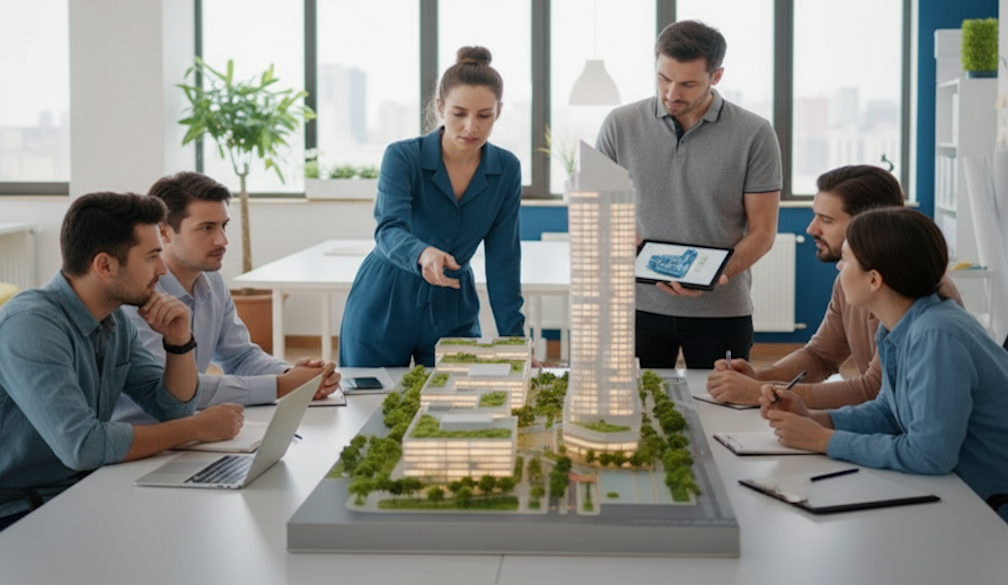
Real estate investment has long relied on a simple formula of buying in a desirable location and securing reliable tenants. However, the rising costs of property upkeep and the increasing frequency of severe weather events are forcing investors to rethink their traditional strategies. Today, maximizing rental yields requires a sharp focus on what happens long after a property is built or purchased. Property owners are now prioritizing asset longevity, shifting their attention toward building methods that can withstand the test of time and volatile weather patterns. For many savvy developers, this means turning to residential steel structures as a highly dependable alternative to traditional wood framing.
The Financial Impact of Weather and Wear
Every experienced landlord knows that the hidden costs of property ownership can quickly erode anticipated profits. Traditional building materials often require constant upkeep, which eats directly into monthly cash flow and long-term profit margins. When you factor in the growing threat of severe weather, ranging from high winds and hail to flooding and heavy snowfall, the financial risks to an investment property multiply rapidly.
Upgrading to tougher building standards makes clear financial sense for those looking to build lasting wealth. Research from the Federal Emergency Management Agency highlights that proactively upgrading facilities to resist natural disasters is highly cost-effective, demonstrating that modern building codes help communities avoid billions in predictable natural hazard losses. This data proves that spending slightly more during the initial construction or renovation phase can drastically reduce lifetime ownership costs and protect the core value of the property.
Lowering Maintenance Overhead with Modern Materials
To achieve these long-term financial savings, modern developers and forward-thinking property investors are moving away from standard timber framing. Wood is highly susceptible to rot, pest infestations, and moisture damage. These vulnerabilities inevitably lead to frequent, costly repairs and extended periods where a rental property might have to sit vacant while contractors complete the necessary renovations.
As an alternative, investors are increasingly utilizing engineered metals for framing and complete property builds. Incorporating these resilient materials into an investment portfolio is becoming a popular way to ensure a property remains structurally sound with minimal ongoing upkeep. Steel does not warp, rot, or attract termites, which removes several of the most common and expensive maintenance headaches that landlords face year after year. Furthermore, modern engineering allows these durable buildings to match the aesthetic appeal of traditional homes, meaning investors do not have to sacrifice curb appeal for resilience.
Key Benefits of Resilient Building Methods
The pivot toward stronger materials goes well beyond simply avoiding disaster-related repairs. Durable construction touches almost every aspect of a property's financial performance. Investors who prioritize structural resilience often see measurable improvements across several distinct categories of their business operations.
-
Reduced Insurance Premiums: Insurance providers often offer significant policy discounts for properties built with weather-resistant materials, as they present a much lower risk of catastrophic claims.
-
Predictable Capital Expenditures: Properties built to last require far fewer structural interventions over their lifespan, allowing landlords to forecast their future capital expenses with much greater accuracy.
-
Higher Tenant Retention: A well-built home experiences fewer drafts, annoying leaks, and pest issues. Tenants are far more likely to renew their leases when they live in a comfortable, problem-free environment, saving owners the cost of tenant turnover.
-
Enhanced Resale Value: When it is finally time to liquidate an asset, a property with a proven record of low maintenance and lasting structural integrity will naturally command a premium price on the open market.
Adapting Strategies for Long-Term Portfolio Growth
Real estate markets will always experience cycles of boom and bust. While individual investors cannot control interest rates, local zoning laws, or broader economic conditions, they do have complete control over the physical quality of the assets they choose to hold. Making smart decisions regarding the foundational structure of a building is one of the most effective ways to mitigate long-term financial risk.
Transitioning to durable building methods is a highly proactive measure that shields portfolios from unnecessary, unexpected expenses. By significantly reducing the frequency of repairs and lowering annual insurance burdens, property owners can safely protect and even increase their overall rental yields. Ultimately, a successful real estate investment is not just about negotiating the lowest possible initial purchase price. It is about how efficiently and reliably that property can generate steady income over the decades to come.