Pet Feeding and Parasite Care Guide for Cats and Horses
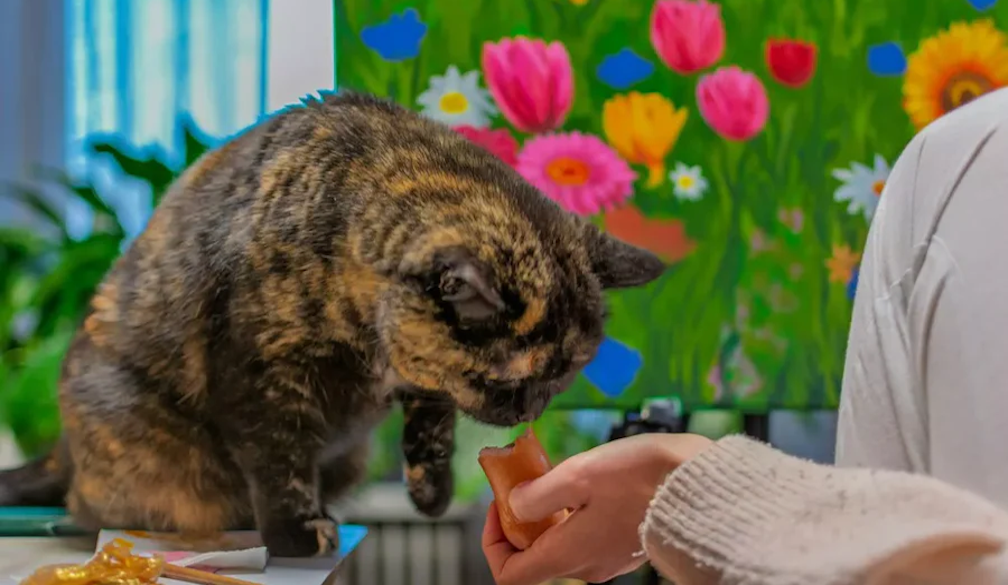
I tallied our last year of vet invoices across the cat and the two horses. Nearly forty percent of that spend traced back to preventable problems: an overweight cat with urinary stress, a horse drenched on a fixed calendar that masked emerging resistance, and a reinfection loop nobody broke because manure pickup was inconsistent.
That pattern is common in Australian homes with both a cat and a horse. When living costs are high, every avoidable vet bill hurts.
The practical fix is simple: measure food, track body condition, use targeted worming, and stay on top of basic hygiene. Those four habits cover cat feeding, cat parasites, horse feeding, horse parasites, pasture hygiene, a seven-day setup plan, and seasonal checks you can start this weekend.
Key Takeaways
The fastest wins come from measured feeding, targeted parasite control, and clean living areas.
- Feed cats a complete and balanced diet verified against AS5812, AAFCO, or FEDIAF nutrient profiles. Keep treats at or below ten percent of daily calories.
- Use feline body condition score charts monthly and weigh food with a kitchen scale to prevent slow, easy-to-miss weight gain.
- Deworm kittens every two weeks until twelve weeks of age, then follow your vet's schedule for older kittens and adults.
- Paralysis ticks threaten pets along Australia's eastern seaboard. Use species-appropriate preventatives and perform daily checks in peak season.
- Ditch calendar drenching for horses. Use faecal egg counts and targeted treatment because only ten to thirty percent of adult horses shed most strongyle eggs.
- Remove manure from paddocks, yards, and stables regularly to reduce parasite pressure and lower chemical reliance.
- Horses may need twenty-five to forty-five litres of water daily in hot weather. Reliable, clean water access is non-negotiable.
- Log every result and review quarterly with your vet, then adjust the plan each season.
Cat Feeding Essentials: What to Feed, How Much, How Often
Measured portions and monthly body checks stop quiet weight gain before it causes trouble.
A complete and balanced commercial diet matched to life stage is the best nutrition choice for most cats. Cats are obligate carnivores, and in Australia you can check a label for AS5812 compliance or recognised nutrient profiles such as AAFCO or FEDIAF.
Using both wet and dry food can support hydration and food acceptance, especially in cats that rarely drink. Raw, non-sterilised foods carry pathogen risks, so talk with your vet before using them.
WSAVA's Global Nutrition Toolkit includes feline body condition score, or BCS, charts and calorie tools. AAHA's 2021 Nutrition and Weight Management Guidelines also warn that treats and other non-complete foods above ten percent of daily calories can dilute nutrients and add excess energy.
Portioning Playbook: Tools and Numbers
Precision beats guesswork. Keep a digital kitchen scale near the feeding station and weigh every meal in grams instead of using scoops by eye.
Pre-portion the day's food so everyone in the house feeds the same amount. Offer at least two small meals each day, and use puzzle feeders or slow feeders for indoor cats that eat too fast or beg from boredom.
Check BCS once a month and adjust only when the trend is clear. When changing foods, transition over seven to ten days to reduce stomach upset.
Best Cat Bowl Options
A wide, shallow bowl makes feeding cleaner and more comfortable.
The right bowl improves hygiene, reduces mess, and supports a natural eating posture. Look for shallow, wide bowls with a stable base and dishwasher-safe material, then place water well away from the litter tray.
For Australian homes upgrading a feeding station, Dog by Dr Lisa's ceramic range offers stable, shallow designs that are easy to sanitise. That matters in busy homes, because a stable shallow bowl keeps whiskers comfortable, reduces spills on floors, and makes portion control easier when multiple people share feeding duties. Use that shortlist to find the best cat bowls, compare sizes, and then pair the bowl with measured portions instead of free-feeding.
Parasite Care for Cats: Fleas, Ticks, and Worms
Consistent prevention beats emergency treatment for fleas, ticks, and worms.
Parasite schedules change with age, location, and lifestyle, so one routine will not suit every cat. Guidance from the University Veterinary Teaching Hospital Sydney advises intestinal worming for kittens every two weeks until twelve weeks of age, then less often as directed by your vet.
Adult cats still need broad-spectrum protection matched to their real exposure. Indoor cats are not risk-free because fleas can come in on shoes, laundry, and other pets.
Paralysis ticks occur along Australia's eastern seaboard, from Queensland to Victoria. RSPCA Australia advises species-appropriate tick prevention and regular hands-on checks for cats in risk areas.
In spring and summer, run your fingers through the coat every day and focus on the head, neck, and chest. If you notice lethargy, a changed voice, weakness, or breathing trouble after tick exposure, seek emergency veterinary care at once.
Dose every parasite product to current body weight, not last season's estimate. Underdosing lowers protection and can muddy the picture when problems appear later.
Vet-Ready Log
Keep one page per pet with the product name, active ingredient, dose, lot number, expiry, date given, and next due date. If you live on the east coast, add a daily tick-check reminder with seasonal start and end notes, then bring that log to each vet visit.
Horse Feeding Essentials: Forage First, Water Always
Forage, water, and steady routines do more for horse health than any feed fad.
Most horses do well on a forage-based diet with constant access to clean water and a plain salt block. Agriculture Victoria advises that horses may drink roughly twenty-five to forty-five litres a day in hot weather, so check troughs at least morning and evening.
Use the Henneke one-to-nine body condition scoring system each month and aim for a score of four to six unless your vet says otherwise. Weigh hay nets instead of guessing, use slow feeders to reduce waste, and store feed off the ground in rodent-proof containers.
Avoid sudden feed changes. Split hard feed into smaller meals, and watch for early colic signs such as pawing, rolling, flank watching, or refusing food.
Field Weighing and Body Condition Scoring
A fabric weight tape is cheap and repeatable. Photograph your horse from the same angle each month, then feel along the neck, ribs, and tailhead so the score reflects touch as well as appearance.
Write each result on a stable whiteboard or in a phone app. A clear trend is more useful than one isolated number.
Horse Parasite Care: Targeted, Not Timetable
Test first and treat with purpose to slow resistance and cut unnecessary drenching.
Calendar drenching every six to eight weeks is no longer the Australian standard. Current guidance favours targeted treatment based on faecal egg counts, or FECs, because a small share of horses, about ten to thirty percent, shed most strongyle eggs.
Australian guidance commonly groups strongyle FEC results as below two hundred eggs per gram for low shedders, two hundred to five hundred for moderate shedders, and above five hundred for high shedders. Work with your vet to set treatment thresholds that fit your property, stocking pressure, and horse age.
Use a faecal egg count reduction test, or FECRT, with pre-dose and day fourteen post-dose samples to check whether a product still works. Shorter egg reappearance periods with macrocyclic lactones have been reported in Australia, so follow-up testing matters.
NSW DPI lists large and small strongyles, threadworms, and large roundworms among the key internal parasites of concern. Foals and young horses need different plans, so do not copy an adult schedule across the whole paddock.
Sampling Steps
-
Collect fresh manure into labelled zip-lock bags with the horse's name and date.
-
Refrigerate the sample. Do not freeze it.
-
Submit it to your lab within twenty-four hours.
-
Log the result and set the next recheck date.
-
If treatment is given, repeat the sample at day fourteen for FECRT.
Horse Dewormer Buying Guide
Once testing shows treatment is needed, accurate product choice and dosing matter most.
When FEC results show that treatment is due, match the active ingredient to the parasite risk you are managing. That approach works best after testing, because product choice should reflect likely strongyles, tapeworm risk, horse age, recent actives used, and whether your FECRT results suggest reduced efficacy on your property. Scone Equine Group lets owners buy horse dewormer online so they can source products such as moxidectin, ivermectin, and praziquantel from a reputable Australian supplier without delay.
Before dosing, use a weight tape and dose to the heavier estimate to avoid underdosing. Check the active ingredient class, target parasites, expiry date, and any withholding periods that apply if the horse competes.
Pasture and Stable Hygiene: Break the Reinfection Cycle
Clean ground and good drainage reduce reinfection before drugs ever enter the picture.
Environmental control lowers parasite pressure and cuts chemical reliance. NSW guidance notes that regular manure removal from paddocks, yards, and stables is a core step in reducing worm burdens.
Compost manure before spreading it back on pasture, and avoid harrowing during warm, wet periods when larvae survive well. Rotate and rest paddocks where possible, avoid overstocking, and use sacrifice areas in wet months to protect pasture cover.
Quarantine new arrivals and arrange FEC testing before turnout. Keep feed and water containers off the ground, and fix drainage problems in gateways, around troughs, and in other heavy-traffic spots.
Seven-Day Action Plan
A short, timed plan turns good advice into habits that stick.
Use this checklist to set up the system once, then repeat the parts that need weekly or monthly review.
- Day 1-2: Audit cat food labels for AS5812, AAFCO, or FEDIAF compliance. Set a treat cap, weigh portions with a kitchen scale, and set up the bowl station.
- Day 3: Score your horse's body condition and record a weight-tape measure. Adjust the forage ration if the score or trend calls for it.
- Day 4: Collect FEC samples from each horse. Label them, refrigerate them, and book lab submission.
- Day 5: Check the cat's tick, flea, and worm prevention status. Set monthly reminders for any product due dates.
- Day 6: Clean paddocks, yards, and stables. Remove manure, inspect fencing, and review quarantine steps for any new arrival.
- Day 7: Review results and logs. If treatment is needed, order the right product and book the day fourteen FECRT follow-up.
Seasonal Checklists for Australia
Seasonal reviews catch changes in parasite pressure, water needs, and body condition early.
Spring and Summer: Lift tick checks for cats on the east coast. Rotate pastures where possible, monitor horse water twice daily, and schedule FECs before parasite pressure peaks.
Autumn: Review FEC trends with your vet. Discuss tapeworm risk, whether praziquantel is needed, and whether hay storage is staying dry and rodent-free.
Winter: Watch body condition closely as pasture quality falls. Increase hay if the score drops, and keep manure removal going even when turnout is limited.
Year-Round: Log every product, dose, and result. Recheck the full plan with your veterinarian each quarter.
FAQ
These answers cover the questions that usually come up once the routine is in place.
Is raw feeding safe for cats?
Raw, non-sterilised foods carry risks such as Salmonella and Toxoplasma. If you want to feed raw, ask your vet about safer commercial options and careful handling steps.
How often should I worm an indoor-only cat?
Indoor cats face lower risk, but not zero risk. Your vet may suggest worming every three to six months based on escapes, shared households, and other pet exposure.
What FEC number means I must treat my horse?
Above five hundred eggs per gram is commonly treated as a high result in Australian guidance. Your vet may adjust that threshold based on age, season, and conditions on your property.
Do I need to rotate dewormers every season?
No. Routine rotation without evidence is outdated, and FECRT results should guide any switch in active ingredient class.
How do I know my horse's water setup is adequate?
Check that troughs stay clean, full, and easy to access at all times. In hot weather, watch actual intake morning and evening and scrub troughs weekly to limit algae.
What if my horse always tests as a low shedder?
Keep testing two to four times each year to confirm that status. Low shedders still need good pasture hygiene and occasional strategic treatment when your vet advises it.
Can I spread fresh manure on horse paddocks?
No. Fresh manure can re-seed pasture with viable larvae, so compost it properly before spreading.
Conclusion
Small routines, done on time, prevent the biggest feeding and parasite problems.
Accurate feeding and targeted parasite control are the two highest-impact moves you can make for both your cat and your horses. Neither task needs fancy equipment or specialist training.
A kitchen scale, a weight tape, a few zip-lock bags, and steady record-keeping will carry you a long way. Work with your local veterinarian, review the plan each season, and let small evidence-based changes add up to healthier animals and lower bills.