How to Choose the Right Tennis Racquet for Your Playing Level
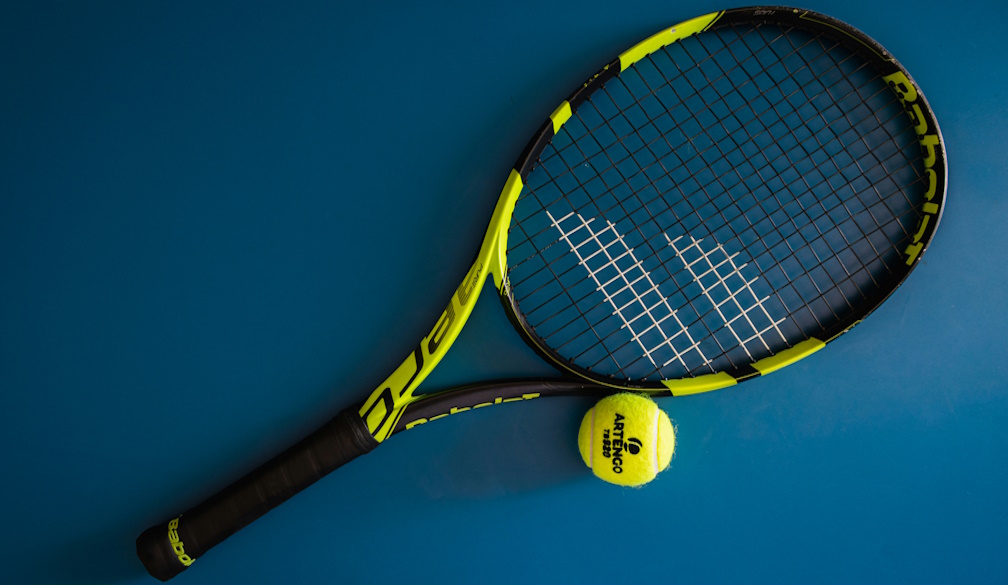
I walked into a tennis shop last summer, pointed at the racquet a tour player was using on TV, and asked for that one. The shop assistant paused, handed me a different frame, and said the first one would hurt my arm inside a week.
He was right. That five-minute conversation probably saved me months of elbow pain.
If you have been searching for the best beginner racquet sports gear, tennis is one of the easiest places to start, if your frame matches your ability. Most buyer regret starts when people choose by logo or endorsement instead of measurable specs.
Seven specs control how a racquet plays: head size, weight, swingweight, balance, length, stiffness, and string pattern. Get them right, and you gain easier depth, cleaner contact, better comfort, and more confidence.
That matters even more on Australian hard courts, where firm surfaces, heat, and long rallies expose a poor fit quickly. A level-appropriate frame helps you improve faster and spend money where it counts.
Key Takeaways
A racquet that fits your level will do more for your game than any brand name or pro endorsement.
- Choose by specs, not by marketing. Seven measurable factors shape forgiveness, power, comfort, and control.
- Beginners should start with a forgiving setup: about 100-110 in² head size, 270-300 g strung, head-light to even balance, standard 27-inch length, and soft strings at mid tension.
- Arm comfort matters from day one. Medium or lower stiffness, around RA 66 or below, plus multifilament or synthetic gut strings, reduces shock.
- Juniors need stage-matched sizing. Tennis Australia Hot Shots recommends Red at 17-23 inches, Orange at 23-25 inches, and Green at 25-27 inches.
- Always test before you buy. A short demo with five drills will reveal comfort, timing, depth, and maneuverability issues fast.
- Invest in frame fit first. Strings, tension, and grip changes are inexpensive ways to improve performance later.
What Playing-Level Racquet Fitting Actually Means
A good fit matches your current swing speed, contact point, and strength.
Playing-level fitting means choosing a racquet for the technique you have today, not the player you hope to become next year. The Laws of Tennis cap racquet dimensions at 73.7 cm in length and 31.7 cm in width, with a maximum hitting surface of 39.4 × 29.2 cm.
Inside those limits, seven specs shape every shot. They are head size, static weight, which is the racquet weight at rest, swingweight and balance, length, stiffness, shown as an RA flex rating, string pattern, and grip size.
Beginners need forgiveness and easy depth. Intermediates need better direction and a predictable launch angle, which is the ball flight the strings naturally produce. Advanced players usually want more stability against pace.
A new player using a compact 97 in² tour frame may feel sharp for ten minutes, then start hitting late and short. A more forgiving setup usually fixes that faster than another lesson alone.
3 Big Benefits of Fitting by Level
Level-appropriate specs help you learn faster, stay healthier, and spend less.
1. Faster Skill Acquisition
A forgiving head size and manageable swingweight let you find the sweet spot more often. More balls land in, so each session gives you more useful repetitions instead of rushed corrections. For adult beginners, the USTA recommends 100-115 in² heads and 9.5-11 oz strung weight at standard 27-inch length because those dimensions improve early-stage forgiveness.
2. Fewer Overuse Injuries
Softer frames and strings, plus the right grip size, reduce the shock that reaches your arm. Very stiff frames transmit more impact shock, so players with elbow concerns usually do better at roughly RA 66 or below. Starting with a comfort-first setup is far easier than trying to play through pain later.
3. Better Value for Money
A correctly fit frame can stay in your bag for years. You can tune it cheaply with strings, tension changes, or small lead-tape adjustments instead of replacing the whole racquet. That keeps your money focused on court time, coaching, and restringing, where improvement usually happens faster.
Quick Fit by Playing Level
Use your current level to narrow the field before you ever hit a demo.
This table gives a practical starting range, not a hard rule. If you sit between levels, test one frame in each band and compare comfort first.
|
Level |
Head Size |
Weight (strung) |
Swingweight |
Length |
RA
|
|---|---|---|---|---|---|
|
Beginner or social, 0-6 months |
100-110 in² |
270-300 g |
300-315 |
27 in |
66 or below |
|
Improver, 6-24 months |
98-102 in² |
290-315 g |
310-325 |
27 in |
62-68 |
|
Club or comp, 2+ years |
97-100 in² |
305-330 g |
320+ |
27 in |
Based on comfort |
Beginners should usually pair that frame with a 16×19 string pattern and a grip checked by the index-finger test. Improvers can test 18×20 patterns if they hit long too often and want a lower launch angle with firmer direction.
The 7 Specs That Matter
Specs decide how a racquet behaves long before brand names or paint jobs do.
Each one changes feel in a different way. Small shifts matter, but extreme specs usually punish developing players.
Head Size
Larger heads give you more power and a bigger sweet spot. Smaller heads favor control. Most adults fit between 97 and 110 in², but true beginners usually improve faster from 100 to 110 in² because off-centre contact stays playable.
Weight
Heavier racquets are steadier and can feel more solid through the ball. Lighter frames move faster, but they can twist on contact if they are too light for your swing. Start with the lightest frame that still feels stable on a blocked return or firm volley.
Swingweight and Balance
Swingweight is how heavy the racquet feels once it is moving. Higher swingweight adds stability, but it is harder to accelerate. Head-light balance helps maneuverability, which suits players still building timing on serves, volleys, and quick exchanges.
Length
Standard 27 inches is easiest to time. Extended frames add reach and a little serve leverage, but they also raise swingweight and can drag the contact point late. Stick with standard length until your timing is reliable.
Stiffness (RA)
RA is a lab rating that estimates how much a frame flexes. Higher RA usually feels firmer and more powerful, but it also sends more shock into the arm. If you already notice wrist or elbow soreness, start at RA 66 or below with soft strings.
String Pattern
Open patterns such as 16×19 launch the ball higher and make spin easier to access. Dense patterns such as 18×20 lower the launch angle, improve directional control, and usually last longer. Choose based on how naturally you control depth, not on what advanced players say they prefer.
Grip Size
Grip fit affects comfort more than most buyers expect. Too small, and you squeeze harder than you should. Too large, and wrist motion gets restricted. If you fall between sizes, choose the smaller option and build up with an overgrip or a thin sleeve that increases handle size.
Strings and Tension: Setup for Your Level
A smart string setup can make an average racquet feel right and a good racquet feel wrong.
Strings shape power, comfort, and control every time the ball leaves the string bed. For new players, a forgiving string choice matters more than a premium frame upgrade.
String Types
- Natural gut or multifilament: the best comfort and easy power, ideal for beginners and players with sore arms.
- Synthetic gut, or solid-core nylon: balanced feel, clear feedback, and lower cost, which makes it a dependable first restring.
- Polyester or co-poly: firmer feel, more control, and better durability, but only worth using once swing speed is high enough.
Tension Guidelines
Start near the racquet middle tension range with softer strings. String polyester a little lower than the midpoint because it feels firmer. Lower tension adds power and comfort, while higher tension sharpens control, though too high can make the string bed feel harsh and dead.
First Setup Recipes
- New to tennis: 16g synthetic gut at mid-range tension.
- Comfort first: 16g multifilament at mid-high tension for control without harshness.
- Control curious: a hybrid with poly mains strung about 5 percent lower than multi crosses.
If a demo frame feels great but a shop model feels harsh, old strings may be the reason. Ask what string is installed and when it was last strung before you judge the racquet.
Try-Before-You-Buy: A 15-Minute Demo That Tells the Truth
Ten clean minutes on court will tell you more than an hour in the shop.
Use the same shoes, the same grip wrap, and similar balls when you compare demos. That keeps the test focused on the frame instead of on changing conditions.
- Mini-tennis, 2 min: judge touch, comfort, and off-centre shock at slow speed.
- Groundstroke depth ladder, 4 min: aim at three landing zones and note whether you can find depth without overswinging.
- Serves, 3 min: check if flat, slice, and topspin serves all feel repeatable.
- Volleys and overheads, 3 min: assess speed to contact, stability on blocks, and overhead timing.
- Quick feel audit, 3 min: Did you frame fewer balls, stay comfortable, and feel able to finish a set without arm fatigue?
Write down one word after each demo, such as easy, late, harsh, lively, or steady. That simple note cuts through brand bias fast.
If two frames feel close, pick the one that keeps your swing freer at the end of the session. Fatigue exposes a poor fit quickly.
Tennis racquet specialist
If you play weekly and feel arm discomfort, book a personalised spec and tension check before guessing with another frame or string setup.
A proper fitting can measure grip size, check swingweight and balance, review your current strings, and suggest a comfort-first plan for Australian hard courts, which matters if you return after a long break, play twice a week, struggle to find depth without overswinging, or notice elbow soreness after serves, so seeing a tennis racquet specialist is often the simplest next step. Sturdy Racquets can help you match weight, balance and string type to your playing level and Australian conditions.
Juniors: Sizing by Tennis Australia Hot Shots
Junior players learn faster when racquet size, court size, and ball speed move up together.
Racquet length should match a junior stage and height. Shorter, lighter frames paired with lower-compression balls speed up learning and protect developing joints.
- Red stage, about ages 3-8: 17-23 inch racquets with 25 percent-compression red balls on mini courts.
- Orange stage, about ages 8-10: 23-25 inch racquets with 50 percent-compression orange balls on mid-size courts.
- Green stage, about age 10 and up: 25-27 inch racquets with 75 percent-compression green balls as players move to full-size courts.
Do not buy an oversized frame just so a child can grow into it. Extra length and weight usually slow the swing, distort technique, and make clean contact harder.
Move up a size when the current racquet starts to limit clean swing mechanics, which usually happens at each Hot Shots stage transition.
Common Mistakes to Skip
Most racquet mistakes come from copying advanced setups before your swing is ready.
- Going too stiff or too light: this can create a harsh feel and flutter at contact, which hurts both comfort and confidence.
- Using full polyester too early: it feels boardy and raises arm load without the swing speed needed to use the control.
- Choosing the wrong grip size: too small promotes overgripping, while too large limits wrist motion. Both can strain the elbow and forearm.
- Chasing endorsements: tour players customize heavily, so the retail version is rarely the frame you actually see on TV.
- Ignoring string age: dead strings can make a good racquet feel unpredictable, stiff, and underpowered.
If you are unsure between two options, choose the softer and more forgiving one. The safer choice gives you more room to improve.
Care and Maintenance for Aussie Conditions
Heat, UV, and dry courts wear out strings and grips faster than most players expect.
Australian conditions can shorten string life quickly. Treat strings like tyres and replace them before they fail.
A simple rule works well: restring per month about as often as you play per week. If you hit twice a week, restring about every eight weeks. Never leave a racquet in a hot car boot, because heat speeds tension loss and can soften grommets and bumper materials.
Replace overgrips regularly to keep tack and grip size consistent. Change the base grip when its cushioning flattens or the handle starts to feel slippery, hard, or uneven.
Your Next Hit
Pick the frame that lets you swing freely, find depth, and finish fresh.
Shortlist by spec, validate with a 15-minute demo, and adjust strings and tension before you even think about replacing the frame. That order is usually the fastest and least expensive path from beginner to confident club player in Australia. Get the fit right once, and every session starts building on the last.
FAQ
A few small setup choices answer most first-time racquet questions.
What Head Size Should a Beginner Pick?
Start around 100-110 in² for easy depth and a bigger sweet spot. When your contact becomes more consistent and your swing speed rises, you can test slightly smaller heads for more precision.
Do I Need an Extended-Length Racquet?
Not at first. Standard 27 inches is easier to time and maneuver. Extra length can help serves, but it also raises swingweight and can make late contact worse.
Which String Is Best for Comfort?
Multifilament or natural gut at mid tension gives the softest, most arm-friendly response. A budget-friendly alternative is synthetic gut, which is still much easier on the arm than full polyester.
How Do I Know My Grip Size?
Use the ruler or index-finger method. Hold the racquet in your hitting hand and check that your opposite index finger fits snugly in the gap between your fingertips and palm. If you are between sizes, choose the smaller option and add an overgrip.
When Should a Junior Move Up a Racquet Size?
Move up when the current racquet starts to limit clean swing mechanics or contact height. That usually matches a Tennis Australia Hot Shots stage change, when court size, ball compression, and racquet length all increase together.