


How Australian Businesses Can Reduce Fleet Costs Without Cutting Corners
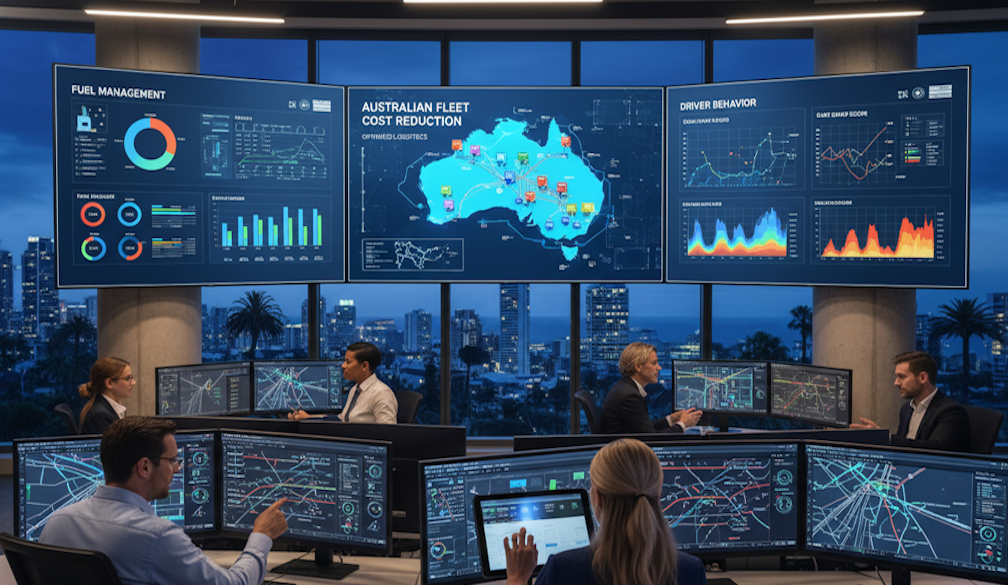
Running a commercial fleet across the vast expanse of Australia is certainly no small feat. Between fluctuating petrol and diesel prices, relentless wear and tear, and the sheer logistical scale of the country, it is little wonder that fleet managers down under are feeling the financial pinch.
When budgets are squeezed, the temptation to tighten the belt by skipping scheduled maintenance or opting for cheaper, substandard vehicle parts can be overwhelmingly strong. However, any seasoned manager knows that cutting corners invariably leads to greater headaches—and steeper bills—down the line.
Fortunately, there are proven strategies to rein in those escalating expenses whilst maintaining a safe and top-tier operation. Here is how Australian businesses can smartly reduce their fleet costs.
1. Embrace Telematics for Route Optimisation
The days of relying solely on a driver’s intuition and a dog-eared map are long gone. Implementing a robust telematics system is arguably the most effective way to identify inefficiencies within your daily operations.
- Smarter Routing: Telematics software can map out the most fuel-efficient routes, taking into account real-time traffic updates and road closures.
- Reducing Idle Time: Leaving the engine running whilst parked burns through fuel at an alarming rate. Monitoring software can highlight excessive idling, allowing you to address the behaviour with your team.
- Vehicle Utilisation: Ensure you aren't running more vehicles than necessary. Data-driven insights can help you consolidate routes and perhaps even reduce the overall size of your fleet.
2. Prioritise Preventative Maintenance
It is a classic case of being penny-wise but dollar-foolish; delaying a routine service to save a few quid today will almost certainly result in a catastrophic breakdown tomorrow. In the harsh Australian climate, vehicles are subjected to extreme temperatures and unforgiving terrain.
- Tyre Management: Under-inflated tyres drastically reduce fuel economy and wear out much faster. Regular pressure checks are a zero-cost exercise that yields immediate savings.
- Scheduled Servicing: Stick rigidly to the manufacturer’s service intervals. Fresh oil, clean filters, and well-maintained brakes keep the engine running efficiently and prevent costly off-road downtime.
3. Streamline Spend with Fuel Cards
Managing expense claims and holding onto crumpled petrol receipts is an administrative nightmare that leaves too much room for human error and, unfortunately, fuel theft. Transitioning to a dedicated fuel card programme is an absolute game-changer for financial control.
By integrating a comprehensive fleet management platform and utilising solutions from a provider like Radius, businesses can secure competitive pricing on fuel whilst gaining absolute transparency over every drop purchased. You can set strict purchasing limits, restrict transactions to fuel and lubricants only, and drastically reduce the hours your finance team spends on reconciliation.
4. Invest in Driver Training
You can have the most technologically advanced, fuel-efficient vehicles on the market, but if they are being driven aggressively, your fuel bills will remain stubbornly high.
- Smooth Driving: Harsh braking, rapid acceleration, and speeding consume significantly more fuel.
- Incentivising Excellence: Use the data gathered from your telematics to create a driver coaching programme. Reward those who consistently demonstrate safe, efficient driving behaviours. A bit of friendly competition amongst your staff can do wonders for your bottom line.
5. Consider the Shift to EVs (Where Practical)
Whilst the sheer scale of the Australian Outback poses unique challenges for electric vehicle (EV) infrastructure, businesses operating predominantly within metropolitan areas like Sydney, Melbourne, or Brisbane should seriously consider beginning the transition. Though the initial capital expenditure is higher, EVs offer drastically lower running costs per kilometre and require far less routine maintenance than their internal combustion counterparts.
The Bottom Line
Reducing fleet costs in Australia does not require compromising on the safety of your drivers or the quality of your service. By leveraging modern technology, enforcing preventative maintenance, and gaining firm control over your fuel expenditure, you can protect your profit margins whilst running a highly efficient, professional fleet.










