Why Your Trees Should Be the First Thing You Address Before Selling or Renovating
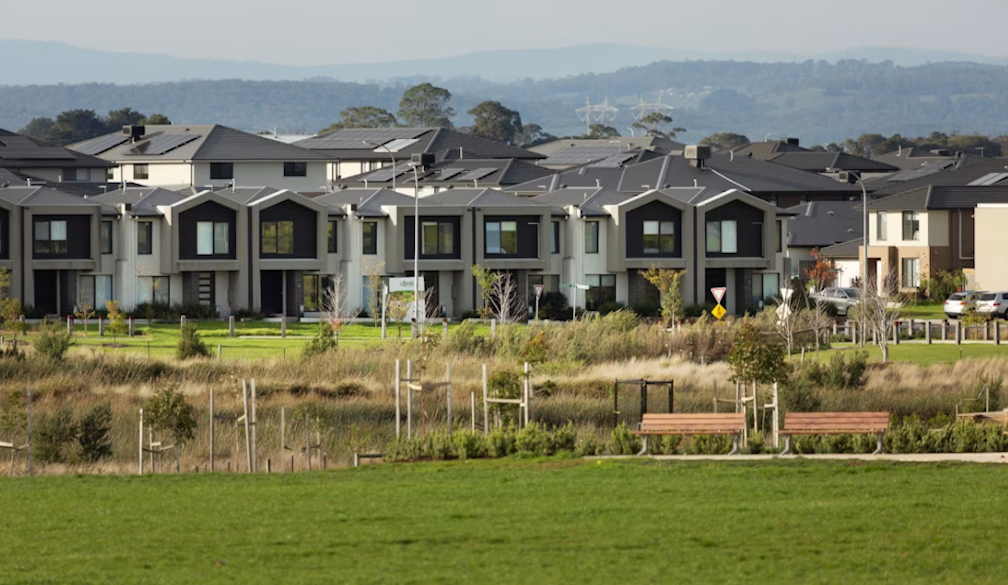
When homeowners prepare a property for sale or renovation, the checklist tends to follow a familiar order: fresh paint, updated fixtures, a deep clean, maybe a new splashback. Trees rarely make it onto the list at all — and when they do, they're usually an afterthought squeezed in the week before the first open home. That's a mistake that can cost vendors more than they realise.
Whether you're listing your property for sale or working through a major renovation, getting your trees professionally assessed early is one of the smartest moves you can make. MidCoast Tree Solutions works with homeowners at exactly this stage — before decisions are locked in and before small problems become expensive ones.
First Impressions Are Made Before the Front Door
Buyers form an opinion of a property within seconds of arriving. The driveway, the facade, the front garden — these set the tone before anyone steps inside. A well-maintained tree can anchor a property's kerb appeal and signal that the home has been cared for. An overgrown, damaged, or visually chaotic tree does the opposite.
This isn't just aesthetics. Prospective buyers — and their solicitors — are increasingly attuned to tree-related risks. Overhanging branches near the roofline, root systems that appear to be encroaching on paving or foundations, trees leaning toward structures: these are the kinds of details that prompt questions at inspections and can stall negotiations entirely.
Addressing these issues proactively, with documentation from a qualified arborist, turns a potential liability into a point of confidence. It's the difference between a buyer raising a concern and a vendor already having the answer.
The Renovation Trap: Trees That Get in the Way
Renovations introduce a different set of tree-related complications. Homeowners undertaking extensions, landscaping overhauls, or outdoor living upgrades frequently discover mid-project that trees are either physically obstructing the work or creating compliance headaches they didn't anticipate.
Council regulations around tree removal and pruning vary considerably across NSW, and the Mid-Coast region is no exception. Anyone planning tree removal in Forster, for instance, may find that mature trees carry development protections that aren't obvious until a DA is lodged or a builder raises the issue on-site. By that point, the timeline and budget are already under pressure.
Getting an arborist involved at the planning stage — before drawings are finalised and quotes are accepted — allows the project to account for trees properly. That might mean designing around a significant specimen, applying for a removal permit with enough lead time, or simply pruning to clear a working zone. None of these are difficult if you plan ahead. All of them are disruptive if you don't.
What a Pre-Sale or Pre-Renovation Tree Assessment Covers
A professional tree assessment isn't just a visual check. A qualified arborist will evaluate structural integrity — identifying decay, disease, or damage that isn't visible to the untrained eye. They'll assess root systems for signs of subsidence risk or infrastructure conflict. They'll flag branches that present a liability in a storm, or canopy that's affecting light to the house in ways that will show up on inspection photos.
The output is a written report you can share with your real estate agent, solicitor, or builder. It demonstrates due diligence and, in many cases, actively supports your position during negotiations or the DA process. In a competitive market, that kind of documentation is not a luxury — it's a selling tool.
Timing Is Everything
The biggest mistake vendors make is waiting too long. Tree work — especially where council approval is required — takes time. A removal permit alone can take weeks to process. If you're six weeks from your intended listing date and discover a significant tree needs to come down, you're either delaying the campaign or listing with a problem visible from the street.
For renovators, the timing issue compounds. Tree removal or pruning after a slab has been poured or framework has gone up is logistically complicated and more expensive. The access windows that exist early in a project often disappear quickly.
The practical guidance from experienced arborists is consistent: engage early, ideally three to six months before your intended sale or the start of major works. That window gives you time to complete any required work, obtain permits where necessary, and let the site recover visually before buyers arrive.
Trees as a Property Asset, Not a Problem
It's worth stepping back from the risk framing for a moment. Well-managed trees are genuinely valuable. Established shade trees can reduce summer cooling costs. Screening trees provide privacy that buyers pay a premium for. Feature trees in a front garden or around a pool area contribute meaningfully to the visual appeal that drives emotional purchasing decisions.
The goal of pre-sale or pre-renovation tree work isn't to clear the site — it's to ensure every tree on the property is working in your favour. That might mean strategic pruning to lift a canopy and open up a view. It might mean removing a tree that's simply in the wrong place. It might mean treating a diseased tree that still has years of value left in it if addressed now.
That kind of nuanced assessment is what separates a professional arborist from a general garden service. The right advice at the right stage of a property decision can protect significant value — and sometimes create it.
Getting the Timing Right
If you're preparing a property for sale or planning a renovation in the Mid-Coast area, a tree assessment should be on your pre-planning checklist — not your last-minute one. The combination of regulatory complexity, physical lead times, and the outsized impact trees have on first impressions makes early action consistently worthwhile.
A conversation with a qualified arborist costs nothing and often identifies issues — or opportunities — that weren't on the radar at all. For homeowners serious about presenting their property at its best, it's a straightforward first step.