Water Flosser vs Traditional Floss: Which Cleans Better?
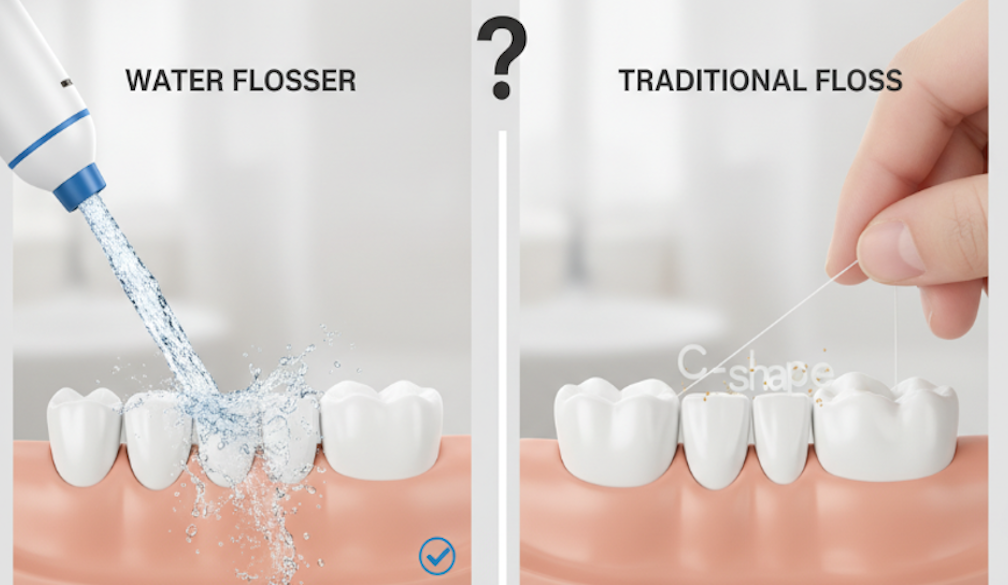
Oral hygiene is an essential aspect of overall health, and flossing plays a crucial role in maintaining a clean oral environment. Recently, there has been a surge in the popularity of water flossers like the hydropik water flosser, which raises the question of how they compare to traditional string floss in terms of cleaning efficacy.
Understanding the Water Flosser
A water flosser is a device that uses a stream of pulsating water to remove food particles, bacteria, and plaque between teeth and along the gum line. Known for its ease of use, it is particularly popular among those with braces, implants, or bridges where traditional flossing can be challenging. The hydropik water flosser serves as a robust example of this type of dental equipment, promising to improve oral health with regular use.
Traditional Floss: An Overview
Traditional floss, available in various materials such as nylon or Teflon, has long been a staple in dental care practices. It is used to manually scrape plaque off the sides of the teeth and under the gum line. While it requires a certain amount of dexterity and technique, traditional flossing is highly effective at removing debris that toothbrushes may miss.
Comparative Efficacy
When evaluating the efficacy of water flossers versus traditional string floss, several studies suggest that water flossers may remove more plaque and reduce gingivitis more effectively than string floss in certain situations. The pulsating action of devices like the hydropik water flosser allows it to reach deeper into pockets and hard-to-reach areas in the mouth.
User Convenience and Safety
The user experience is also a significant consideration when comparing these two flossing methods. Water flossers are generally perceived as easier and more enjoyable to use, especially for individuals with limited dexterity or braces. They are also considered safer for gums, as there is less risk of improper technique leading to gum damage.
Cost Analysis
Cost is an essential factor for many when choosing between these two oral hygiene tools. Water flossers usually represent a more significant initial investment compared to traditional floss, but their long-term durability and ease of use might offer better value for some users. Traditional floss remains an economical and accessible choice for daily oral care.
Impact on Consumer Satisfaction
Customer satisfaction can differ greatly when using either water flossers or traditional floss. Many users report a fresher, cleaner feeling after using a water flosser owing to its ability to thoroughly cleanse the spaces between teeth and gum lines. However, some traditional floss users prefer the tactile assurance of manually cleaning each tooth.
Suitability for Different Needs
The suitability of water flossers or traditional floss can vary depending on the user's specific oral care needs. For individuals with gum disease, braces, or dental implants, water flossers might offer enhanced cleaning and comfort. Conversely, traditional floss remains highly effective for individuals with healthy gums and teeth.
Environmental Considerations
In terms of environmental impact, traditional floss generally creates more waste due to its disposable nature. Some water flossers, like the hydropik water flosser, may offer a more sustainable option due to their reusable nature, although they do consume electricity.
The Role of Professional Advice
Consulting with dental professionals is advisable when deciding between a hydropik water flosser and traditional floss. Dentists can provide personalised advice based on an individual's oral health status and specific needs.
Technological Advancements
Technological advancements in water flossers continue to enhance their effectiveness and appeal. Features such as adjustable pressure settings and multi-jet tips can significantly improve user satisfaction and oral health outcomes.
Conclusion
Ultimately, the choice between water flossers and traditional floss comes down to personal preference, oral health needs, and lifestyle considerations. While water flossers like the hydropik water flosser offer convenience and enhanced cleaning for some, traditional floss remains an effective and economical option for others.
As dental technology advances, individuals have a greater choice of ways to maintain optimal oral hygiene. Both water flossers and traditional floss have their place in modern dental care, and understanding their unique benefits can help inform better choices for oral health.
Further Research
Further research and advances in both traditional and water flossing technologies are essential in developing even more effective oral hygiene tools. Continuous advancements will offer better benefits tailored to diverse user needs and preferences.