The Small Lighting Trick That Makes Any Room Feel Bigger and More Stylish
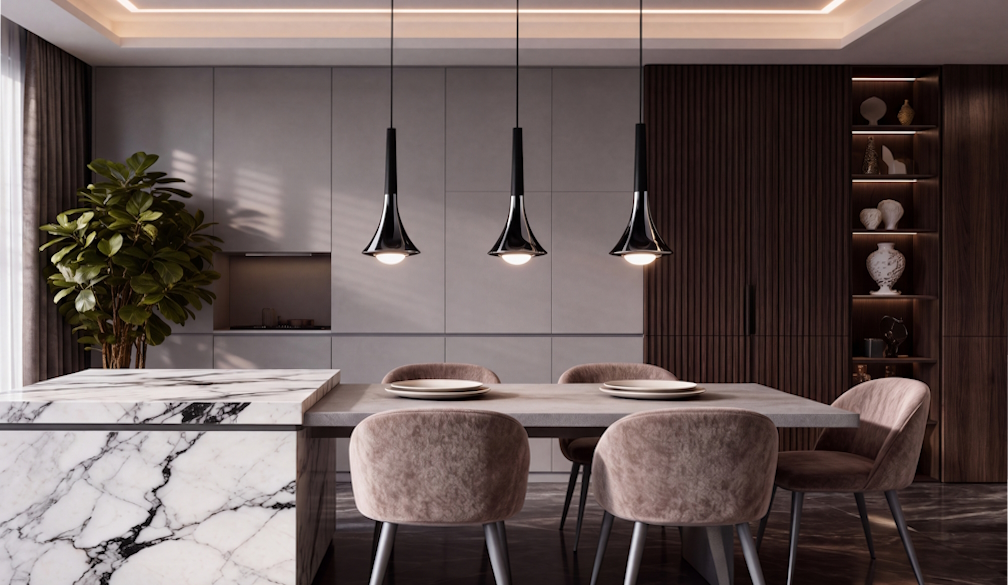
When people want to refresh a room, they often think about repainting the walls, buying new furniture, or replacing the flooring. Those changes can work, but they are not always quick or affordable. Sometimes, the fastest way to make a room feel more polished is to rethink the lighting.
Pendant lighting is one of the most effective ways to change the mood of a space without a full renovation. It can make a dining corner feel intentional, give a kitchen island more character, or turn an empty hallway into a design moment. The right pendant does more than brighten the room. It helps define the space, adds visual interest, and makes everyday areas feel more considered.
Small pendant lights can make compact rooms feel more intentional without overwhelming the space.
Why Pendant Lighting Works So Well
Unlike recessed ceiling lights, pendant lights are visible. They become part of the room’s style and help draw attention to a specific area. This is useful in open-plan homes, apartments, studios, and smaller rooms where each zone needs to feel clear without adding extra walls or bulky furniture.
A pendant above a dining table tells the eye, “this is the dining area.” A pendant over a reading chair turns the corner into a cosy spot. A pendant above a kitchen island makes the workspace feel more finished. These small visual signals can make a room feel more organised and more stylish.
The best part is that pendant lighting does not need to be dramatic to work. In many homes, a modest fixture placed well can look better than a large statement piece that competes with everything else in the room.
Use Smaller Fixtures in Compact Rooms
Not every room needs a large pendant or chandelier. In fact, smaller rooms often look better with more refined lighting. Oversized fixtures can make a compact space feel crowded, especially if the ceiling is not very high.
This is where mini pendant lights can be especially useful. They bring the same design effect as larger pendant fixtures but in a lighter, more flexible form. They work well over bedside tables, breakfast bars, kitchen islands, small dining tables, reading corners, and narrow hallways.
Mini pendants are also useful when used in groups. A row of two or three small pendants above a kitchen counter can feel more balanced than one large fixture. In a hallway, repeated small pendants can create rhythm without making the ceiling feel heavy.
Make The Dining Area Feel More Expensive
A dining table can look plain during the day but feel completely different once the right light is added above it. A pendant creates a natural centre point and makes meals feel more relaxed. Even a small dining nook can feel like a planned feature when the lighting is placed properly.
The fixture should usually be centred over the table, not necessarily centred in the room. This is a common mistake. If the table is slightly off-centre, the light should follow the table. That way, the dining area feels connected and practical.
Warm light usually works best in dining areas because it flatters food, timber, fabric, and skin tones. Very cool white light can feel too sharp, especially in the evening when people want the space to feel calm.
A rounded pendant can soften a dining space and create a comfortable evening atmosphere.
Choose Rounded Shapes for a Softer Look
Shape matters as much as brightness. A room with many straight lines, such as cabinets, tables, windows, and shelving, can sometimes feel rigid. A rounded pendant helps soften the space and add balance.
A global pendant light style can work well in dining rooms, bedrooms, living rooms, and entryways because the rounded form feels calm and easy to pair with different interiors. Glass globe styles can make a room feel lighter, while opaque or frosted designs can create a softer glow.
Round pendant lights also work well above round tables, but they are not limited to them. They can add contrast above rectangular dining tables, kitchen counters, or console tables. The key is to match the size of the fixture to the space around it.
Think About Height Before Style
A beautiful pendant can still look wrong if it hangs at the wrong height. If it is too high, it may feel disconnected from the furniture below. If it is too low, it can block views or feel awkward in daily use.
Above a dining table or kitchen island, the fixture should feel close enough to create atmosphere but high enough for comfortable conversation and movement. In hallways and open areas, there must be enough clearance for people to walk safely underneath.
Before installation, it helps to stand in the room and imagine how the fixture will be used. Will people sit under it? Walk under it? Cook below it? Read beside it? Good lighting should support the way people actually live, not just look good in a photo.
Match Materials With The Rest Of The Room
Pendant lighting should feel connected to the rest of the home. A black metal pendant can work beautifully with black window frames, cabinet handles, or chair legs. A brass or gold finish can echo warm hardware, mirrors, or furniture details. Glass pendants can keep the look open and elegant in smaller rooms.
The goal is not to match everything perfectly. A room can feel flat when every finish is identical. Instead, repeat one or two design details so the pendant feels intentional. This simple trick often makes the room look more expensive without adding more decoration.
Layer The Light
One pendant alone should not be expected to do all the work. The most comfortable rooms usually combine different light sources. Ceiling lights provide general brightness. Pendants create focus. Table lamps, wall lights, or floor lamps add softer evening light.
This layering gives the room flexibility. Bright light may be useful during cleaning or cooking, while softer light is better for relaxing, dining, or watching television. If possible, dimmers can make pendant lighting even more useful because the mood can change throughout the day.
Final Thoughts
Good lighting can make a room feel larger, warmer, and more finished without a major renovation. Pendant lights are especially powerful because they bring light closer to the areas people actually use while also adding shape and style to the room.
For smaller homes, apartments, and compact spaces, choose fixtures that feel balanced rather than oversized. Use rounded shapes to soften hard lines, place lights according to furniture layout, and keep the colour temperature warm where comfort matters most.
A small lighting change may seem simple, but it can completely shift how a room feels after sunset. With the right pendant, even an ordinary corner can feel intentional, stylish, and ready to use every day.