How Australia's Pharmaceutical Manufacturing Sector Keeps Up With Global GMP Standards, and the Equipment Behind It
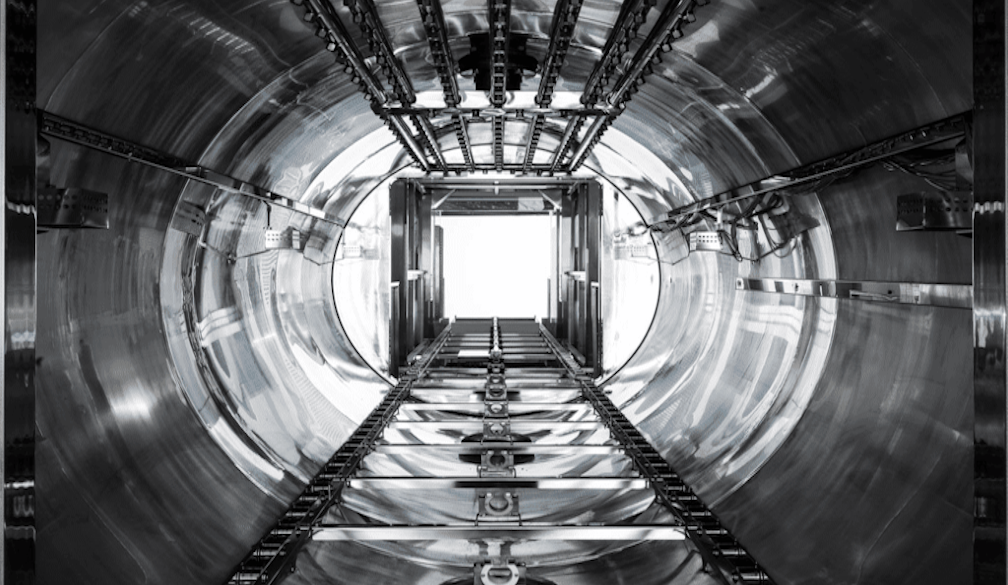
The Australian pharmaceutical manufacturing industry operates at a remarkably high standard, supplying both domestic and international markets with medicines that meet some of the strictest regulatory requirements in the world.
Australia punches well above its weight in pharmaceutical manufacturing. For a country of its size, the local industry operates at a remarkably high standard, supplying both domestic and international markets with medicines that meet some of the strictest regulatory requirements in the world. That doesn't happen by accident. It happens because Australian manufacturers take GMP compliance seriously, invest in the right infrastructure, and partner with suppliers who understand what's at stake. The equipment powering these facilities is every bit as important as the regulations governing them.
What GMP Actually Demands From a Manufacturing Facility
Good Manufacturing Practice isn't a checklist you complete once and file away. It's a living framework that governs every stage of pharmaceutical production, from the materials used in construction to the way equipment is cleaned between batches. In Australia, the Therapeutic Goods Administration (TGA) enforces GMP standards that are closely aligned with PIC/S (Pharmaceutical Inspection Co-operation Scheme) guidelines, placing local manufacturers on the same compliance footing as their counterparts in Europe, the UK, and the US. This means every piece of pharma manufacturing equipment on the floor, whether it's a pure steam generator, an autoclave, or a fluid transfer system, must be specified, validated, and maintained to documented standards. There's no room for approximation.
The Equipment That Keeps Facilities Audit-Ready
Compliance starts with equipment selection, and getting that right from the outset saves enormous time and cost down the line. Water for Injection (WFI) systems are among the most critical investments a sterile manufacturing facility can make like producing ultra-purified water used directly in injectable and liquid drug formulations. Pure steam generators work alongside these systems to sterilise vessels, pipework, and production surfaces without introducing chemical residues. Autoclaves provide validated sterilisation for tools, containers, and components throughout the production cycle. Together, these systems form the backbone of a GMP-compliant sterile manufacturing environment. When pharma equipments like these are sourced from suppliers who provide full material certification, validation documentation, and ongoing technical support, the path to TGA compliance becomes considerably more straightforward.
Local Support Makes a Global Difference
One of the practical realities of pharmaceutical manufacturing in Australia is geographic isolation. Waiting weeks for international equipment support or spare parts isn't always an option when a production line is down or an audit is approaching. This is where locally based equipment suppliers with factory-trained service teams genuinely earn their value. Having access to engineers who are authorised to service specific equipment brands, and who understand the TGA regulatory environment, means issues get resolved faster and compliance records stay clean. Commissioning support, preventive maintenance programmes, and on-site validation services all contribute to keeping facilities running at the standard GMP demands.
Investing in the Right Partnership
The Australian pharmaceutical sector continues to grow, driven by increasing domestic demand, government investment in sovereign manufacturing capability, and a thriving biotech pipeline. As facilities expand and production volumes increase, the pressure on equipment performance and compliance only intensifies. Selecting the right pharma manufacturing equipment isn't just a procurement decision, it's a strategic one. Facilities that work with suppliers capable of delivering across the full equipment lifecycle, from initial specification through commissioning, validation, and long-term maintenance, are the ones best positioned to meet global GMP standards consistently. In an industry where compliance is non-negotiable, that kind of end-to-end support isn't a bonus. It's the foundation everything else is built on.