Pool Fencing in Australia - Important Design and Safety Considerations
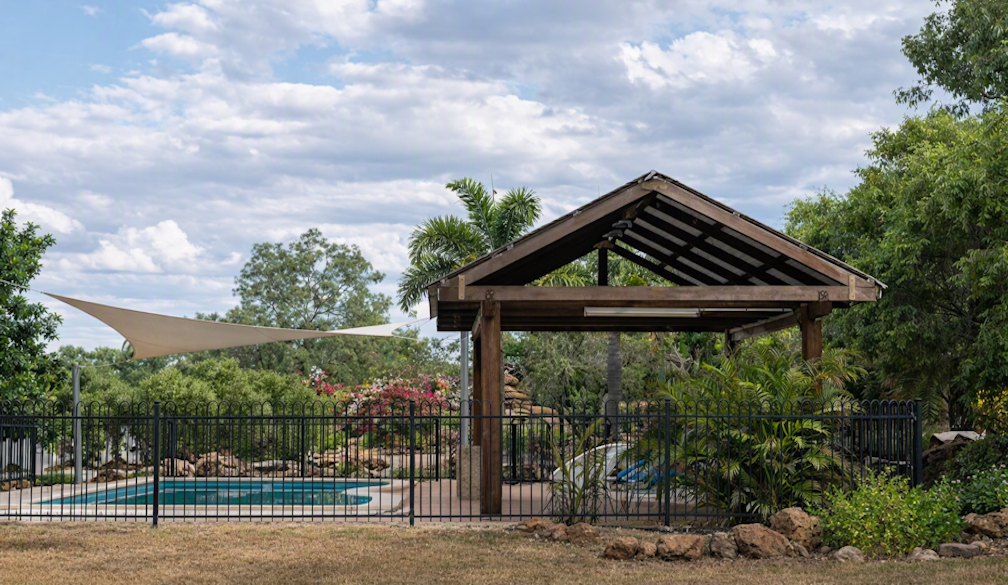
A pool fence has one job above all else, keeping people safe. But it also becomes part of the backyard you see every day. The style, material and placement all influence how the space feels once everything is finished.
Years ago, most homeowners simply chose a fence that met the rules. Today, many also want it to suit the house, the garden and the entertaining area.
This article looks at both sides of the pool fencing decision, from safety requirements through to choosing a fence that feels right for your home.
What Does Australian Law Actually Require?
Before thinking about style, you need to understand the safety requirements for every pool owner.
In New South Wales, for example, the NSW Government requires swimming pools and spas to be surrounded by a compliant child-resistant barrier that meets Australian Standard AS 1926.1. Owners must also register their pool on the NSW Swimming Pool Register and meet inspection requirements where applicable.
These rules exist for good reason. According to Royal Life Saving Australia's annual drowning report, drowning remains one of the leading causes of accidental death among children under five.
Although requirements vary slightly between states, most councils expect pool fences to include:
- A minimum height of 1.2 metres
- Self-closing, self-latching gates
- No climbable objects within 900 mm of the barrier
- A fence that isolates the pool from the house or neighbouring structures where required
If you're unsure whether an existing fence still complies, arrange a check through your local council or a registered swimming pool inspector. A pool fencing company can then help you understand what needs to be repaired, replaced or upgraded.
How Fence Design Affects Pool Safety
Even a compliant fence can become less effective if its surroundings change. A garden bed that has been built up, a new retaining wall or even outdoor furniture placed against the fence may make it easier for a child to climb over.
Gates also need occasional attention. Hinges can wear out, latches can loosen, and gates sometimes end up left open during family gatherings.
If you're collecting home improvement ideas, it's worth taking a fresh look at your pool gate as well as the fence itself. A quick inspection now may prevent a much bigger problem later.
Glass or Aluminium Pool Fencing - Which One is Right for Your Backyard?
Most Australian pool fences are built from either toughened glass or powder-coated aluminium.
Both can actually meet Australian safety requirements when installed correctly, so the choice usually comes down to appearance, maintenance and budget.
Glass Pool Fencing
Many people choose glass because it keeps the pool in view without breaking up the backyard. That can make a smaller space feel more open and helps maintain sightlines between the house, entertaining area and the pool.
Glass used for pool fencing must comply with Australian Standard AS 1288. Like any outdoor surface, it benefits from occasional cleaning, particularly in coastal areas where salt and water marks can build up.
It's also worth checking the fittings and all the other hardware from time to time to make sure everything stays secure.
Aluminium Pool Fencing
For decades, most homeowners have turned to aluminium as a go-to choice for their pool fences, and it's easy to see why. Powder-coated panels handle Australia's weather well, don't rust easily and need very little day-to-day maintenance.
There's also plenty of flexibility in the design, so whether your home is modern or more traditional, aluminium fencing is available in colours and styles that blend comfortably into most outdoor spaces. Even more, for homeowners considering adding a patio or pergola over or directly next to your swimming pool, aluminium fencing often blends naturally with traditional and modern outdoor spaces alike.
Glass Pool Fencing vs. Aluminium Pool Fencing
|
Feature |
Glass Fencing |
Aluminium Fencing |
|
Visibility |
Full transparency |
Partial, depending on spacing |
|
Maintenance |
Regular cleaning required |
Low maintenance |
|
Design options |
Limited to clear or tinted |
Wide range of colours and styles |
|
Durability |
Very high with correct hardware |
Very high, rust-resistant |
|
Best suited for |
Contemporary, open designs |
Versatile, suits most home styles |
|
Cost |
Generally higher |
Generally more affordable |
Choosing the Right Pool Fence for Your Property
There is no single answer that works for every backyard. The right pool fencing solution depends on the size and layout of your yard, the style of your home, how you use the outdoor space, your maintenance preferences, and your budget.
What is worth being clear about from the start is that the fence needs to meet compliance requirements first and everything else second. And honestly, those two things are not in conflict; a well-designed fence can absolutely do both, but compliance is the non-negotiable starting point.
If you are planning a new pool installation or looking to upgrade an existing fence, speaking with a specialist who understands both the regulatory requirements and the design possibilities in your area is a sensible first step. The right guidance from pool fencing experts early in the process tends to save time, money and frustration further down the track.