How Australian Food Businesses Are Adapting to the Shift Towards Sustainable Packaging
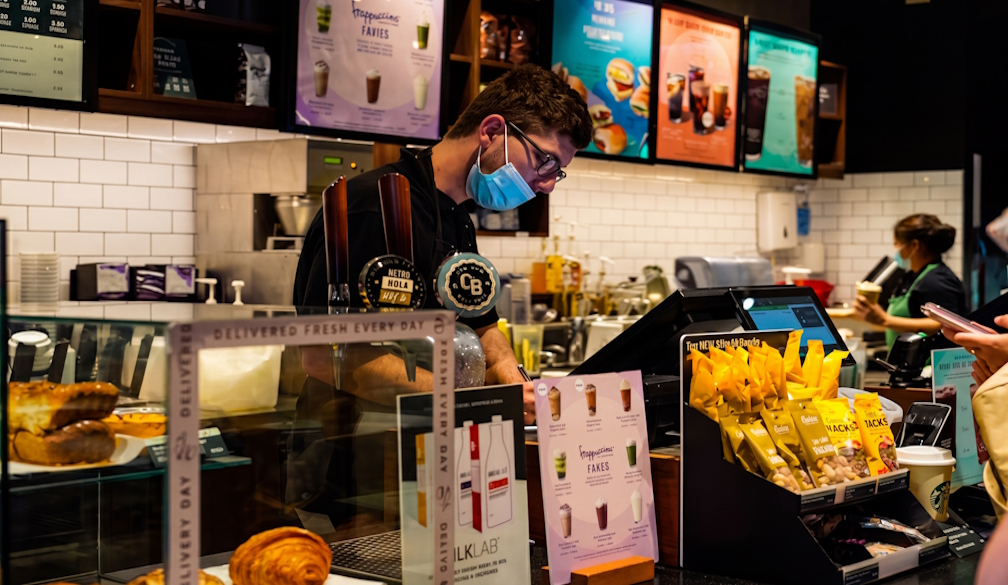
The Australian culinary scene is undergoing a massive transformation that extends far beyond the menu. Driven by strict environmental regulations and evolving consumer expectations, food service operators are fundamentally changing how they operate.
The era of cheap, disposable petroleum plastics is rapidly coming to an end. Today, adopting eco-friendly operational models is a fundamental requirement for survival in the competitive hospitality market.
For cafe owners, restaurant groups, and catering companies, this shift represents both a logistical challenge and a unique branding opportunity. Adapting to this new reality requires a deep understanding of material science, supply chain logistics, and local legislation.
The Changing Landscape of Australian Food Service
The Impact of State-Level Plastic Bans
Across the country, state governments are aggressively implementing legislation to phase out single-use plastics. New South Wales, Victoria, and Western Australia have introduced stringent timelines targeting plastic cutlery, straws, and polystyrene containers.
This regulatory pressure means that transitioning to sustainable alternatives is no longer just a commendable marketing angle. It has officially become a strict compliance necessity for any business serving food or beverages to the public.
Failure to adapt not only risks hefty financial penalties but also alienates an increasingly eco-conscious Australian consumer base. Operators are now forced to audit their entire packaging inventory to ensure every item meets state-specific environmental standards.
Shifting Supply Chains and Material Sourcing
As state governments across Australia accelerate the phase-out of traditional single-use plastics, local cafes and restaurant operators are forced to urgently restructure their supply chains. The immediate challenge lies in finding alternatives that perform just as well under the stress of hot foods and liquids.
To meet this immense logistical demand, operators are increasingly partnering with specialized industry manufacturers. Working with experienced suppliers ensures a seamless transition without sacrificing product quality.
A prime example of this shift is the reliance on partners like YoonPak, a leading global supplier of custom paper food packaging. They utilize renewable, plant-based materials to deliver commercial-grade containers that replace harmful polymers without compromising structural integrity or thermal resistance.
Material Innovations: What Are the Real Alternatives?
To truly understand the transition, businesses must evaluate the alternatives replacing legacy plastics.
|
Feature |
Traditional Petroleum Takeaway Plastics |
Sustainable Plant-Based Packaging |
|
Decomposition Time |
100 to 400+ years in landfills |
90 to 180 days in commercial facilities |
|
Raw Material Source |
Non-renewable fossil fuels (Petroleum) |
Renewable resources (Bagasse, FSC Paper) |
|
Environmental Impact |
High carbon footprint, microplastic pollution |
Lower carbon footprint, soil-safe degradation |
From Petroleum to Plant-Based Polymers
Modern packaging technology has evolved significantly, offering robust alternatives to traditional plastics. These innovations ensure that operators do not have to compromise on food safety or heat retention.
Some of the most effective commercial-grade materials currently dominating the Australian market include:
- FSC-Certified Paperboard: Sourced from responsibly managed forests, ensuring zero contribution to illegal deforestation.
- Bagasse (Sugarcane Pulp): A highly durable byproduct of the sugar industry, perfect for hot, heavy, or greasy takeaway meals.
- Water-Based and Plant-Based Coatings: Replacing traditional PE (polyethylene) linings to ensure cups and bowls remain entirely compostable.
The Myth vs. Reality of "Compostable"
A major hurdle for food operators is navigating the confusing terminology surrounding sustainable materials. It is critical to differentiate between "naturally biodegradable" and "commercially compostable."
Many bioplastics, such as PLA (Polylactic Acid), require highly controlled industrial environments to break down effectively. If thrown into a standard backyard compost bin, they act similarly to regular plastic.
To avoid accusations of greenwashing, Australian businesses must source materials backed by rigorous ISO certifications or Australian specific standards (like AS4736 for commercial compostability), ensuring the claims match the chemical reality of the packaging.
Balancing Operational Costs with Brand Identity
Custom Eco-Packaging for SMEs
One of the initial fears among food business owners was that sustainable packaging would look generic and uninspired. However, maintaining a strong visual identity is entirely possible within the bounds of eco-compliance.
Brands can leverage custom eco-packaging to stand out in a crowded market. By utilizing non-toxic soy inks and water-based printing methods, cafes can print vibrant logos on unbleached kraft paper without compromising the item's compostability.
This approach directly aligns with the broader shifts shaping Australian SME operations, where businesses are discovering that eco-conscious branding can justify premium pricing and foster intense customer loyalty.
Key Takeaways
|
Area |
Key Takeaway |
Impact/Data |
|
Compliance |
Enforce state-level single-use plastic bans immediately. |
Mitigates severe financial penalties. |
|
Procurement |
Switch to FSC-certified paper and bagasse. |
Cuts decomposition to 90-180 days. |
|
Certification |
Verify commercial compostability (AS4736 standard). |
Avoids greenwashing and methane emissions. |
|
Branding |
Leverage soy inks for custom eco-packaging. |
Drives loyalty and premium pricing. |
The Future of Australia's Circular Food Economy
Infrastructure and Closing the Loop
Adopting sustainable materials at the restaurant level is merely the first step. The ultimate success of this transition relies heavily on what happens after the consumer disposes of the container.
Without robust commercial composting infrastructure, even the most eco-friendly packaging can end up mismanaged in traditional landfills. This creates anaerobic conditions where bioplastics fail to break down properly, releasing harmful methane gases.
According to structural guidelines set forth by the United Nations Environment Programme (UNEP), synchronizing material innovation with upgraded municipal waste management systems is an absolute necessity to permanently disrupt the lifecycle of global plastic pollution.
Ultimately, this ongoing evolution is dramatically reshaping the local food and dining landscape. As consumers, businesses, and waste management sectors align, Australia moves one step closer to a genuinely sustainable, closed-loop culinary economy.