Beyond Solar and Wind: The Unseen Technologies Driving the Renewable Gas Boom
As Australia accelerates toward its ambitious net-zero targets, the public conversation almost exclusively revolves around solar farms and towering offshore wind turbines. These massive infrastructure projects dominate headlines, symbolizing the visible face of the clean energy transition.
However, beneath the surface of renewable energy generation lies a critical engineering bottleneck that rarely makes the news: gas purification. Without advanced chemical separation technologies, the renewable gas revolution simply cannot function at an industrial scale.
The Processing Bottleneck: Why Raw Biogas Isn't Enough
The transition away from fossil fuels relies heavily on alternative energy carriers such as biomethane and green hydrogen. While these gases offer immense potential for decarbonizing heavy industry and heating, they cannot be harnessed in their raw states.
Raw biogas and unrefined hydrogen streams are inherently unstable and impure. Injecting them directly into commercial pipelines or utilizing them in fuel cells without extensive cleaning leads to immediate operational failure.
Purity Standards for the Modern Energy Grid
Modern energy grids operate under intensely strict regulatory frameworks to prevent infrastructure degradation.
- Pipeline-grade biomethane requires the total removal of moisture and carbon dioxide to prevent internal pipeline corrosion.
- Hydrogen fuel cells demand purity levels as high as 99.9% to avoid the poisoning of sensitive internal catalysts.
- Trace impurities such as hydrogen sulfide and siloxanes must be eliminated down to parts-per-billion levels.
Meeting these strict thresholds requires more than basic physical filters; it demands specialized material science.
Pressure Swing Adsorption (PSA): The Heavy Lifter of Green Energy
When processing industrial-scale gas streams, engineers rely on sophisticated thermodynamic systems to achieve the necessary purity. Pressure Swing Adsorption (PSA) has emerged as the premier technology for separating and purifying green gases.
To achieve the rigorous 99.9% purity required for fuel-cell-grade hydrogen or pipeline-ready biomethane, processing facilities rely heavily on Pressure Swing Adsorption (PSA) systems. However, the efficiency of these multi-million-dollar systems is fundamentally dictated by the microscopic filtration materials inside them. As global demand for clean energy infrastructure surges, leading manufacturers of Jalon high-performance molecular sieves have significantly scaled their production capacities—implementing automated smart warehousing and extensive R&D—to ensure a consistent, industrial-scale supply for global environmental projects.
The Microscopic World of Adsorbents
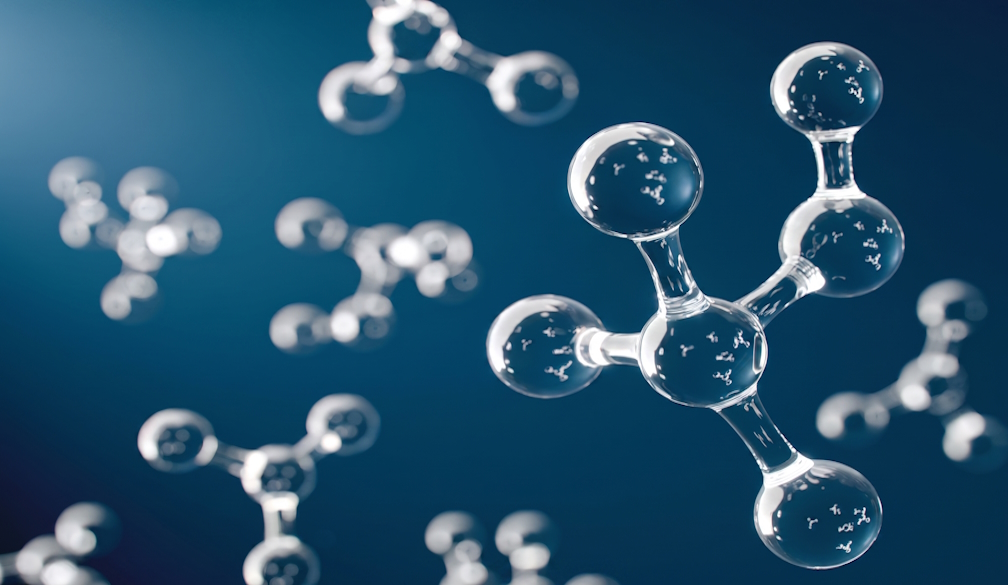
The backbone of any PSA system is its internal bed of crystalline structures known as zeolites or molecular sieves. These engineered aluminosilicates act as microscopic traps, utilizing precisely controlled pore sizes to filter gases at the molecular level.
By capitalizing on differences in kinetic diameter and molecular polarity, these porous materials selectively capture carbon dioxide or moisture while allowing clean methane or hydrogen molecules to pass through unhindered. This selective trapping enables continuous, automated gas upgrading without consuming excessive electrical power.
Supply Chain Realities: Scaling Up for Global Demand
As global investments in clean energy infrastructure multiply, the underlying supply chain for specialized industrial filtration materials faces unprecedented pressure. The commercial viability of a multi-million-dollar biomethane plant often depends entirely on the availability and performance of its adsorbent beds.
Scaling up production requires advanced smart warehousing, rigorous quality control in crystal synthesis, and continuous R&D. Without robust manufacturing pipelines capable of supplying high-grade molecular sieves on demand, global renewable energy projects risk costly bottlenecks and delayed deployment schedules.
Key Takeaways
|
Area |
Key Takeaway |
Impact/Data |
|
Purification |
Mandate advanced gas cleaning |
Prevents infrastructure degradation |
|
Standards |
Enforce extreme purity thresholds |
Reaches 99.9% fuel-cell grade |
|
Technology |
Deploy Pressure Swing Adsorption |
Relies on advanced zeolites |
|
Market |
Scale supply chain production |
Crucial for 2050 net-zero |
What's Next for Australia's Clean Energy Infrastructure?
For the Australian market, the integration of renewable gases represents a vital bridge toward a diversified low-carbon economy. With abundant agricultural and organic waste streams, Australia possesses vast potential for biomethane production, particularly across rural and regional manufacturing hubs.
Policymakers and energy investors are increasingly recognizing that upgrading existing gas networks to accept renewable alternatives is just as crucial as building new electricity transmission lines.
The push toward decarbonization is no longer just a regulatory requirement; it is a massive economic opportunity. According to the International Energy Agency's research on the global transition to renewable gases, integrating upgraded biomethane and green hydrogen into existing energy grids is an essential strategy for achieving net-zero emission targets by 2050, particularly for heavy industries that are notoriously difficult to electrify.