The Rise of Sustainable Facility Management in Australian Workplaces
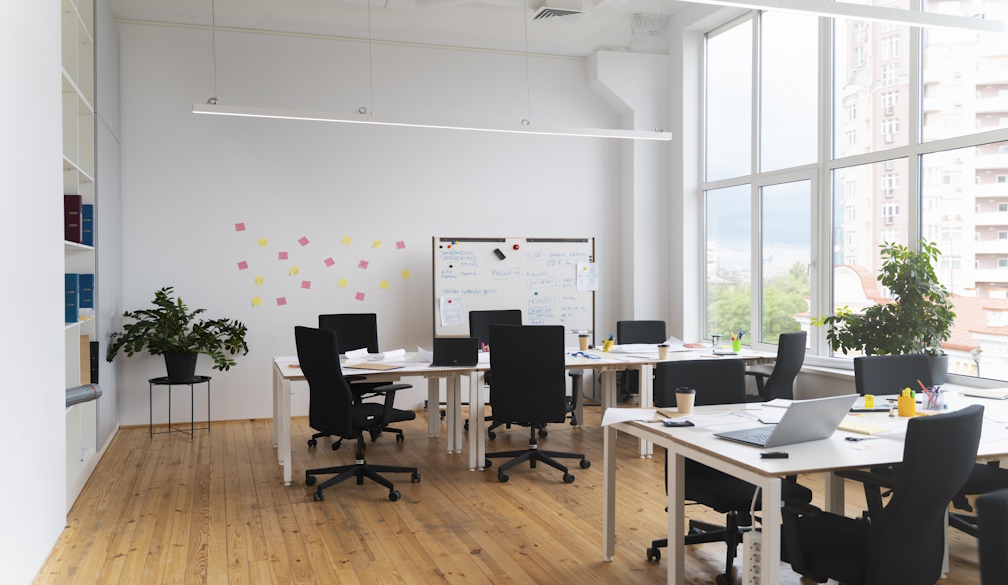
Australian workplaces are undergoing a significant transformation. Beyond open-plan layouts and hybrid working schedules, corporate focus has shifted heavily toward the unseen elements of the office environment. The definition of a premium commercial space no longer rests solely on location or aesthetic amenities. Today, indoor air purity, occupant wellness, and non-toxic maintenance are just as critical. Sustainable facility management has rapidly evolved from a basic operational checklist into a strategic pillar of corporate resilience. Post-pandemic expectations have permanently altered how commercial tenants view their surroundings, placing immense pressure on landlords and facility teams to ensure buildings are not just visually appealing, but genuinely healthy spaces. This shift requires comprehensive changes to daily operations, fundamentally redefining what it means to run a modern, compliant workplace in Australia.
Navigating New Workplace Health and Safety Standards
In March 2026, Safe Work Australia introduced an updated model Code of Practice titled "Managing the risks of biological hazards at work." This important update explicitly classified mould as a biological hazard, placing a strict duty of care on employers to manage structural dampness effectively across their properties. Historically, treating these pervasive issues meant deploying heavy industrial bleach and ammonia. However, there is a growing industry shift away from these traditional commercial cleaners. Such synthetic chemicals introduce volatile organic compounds into enclosed spaces, which quickly degrade indoor air quality and frequently trigger tenant health complaints, particularly in poorly ventilated areas.
With one in nine Australians currently suffering from asthma, property managers face heightened pressure to eliminate respiratory triggers entirely. Swapping harsh industrial chemicals for natural alternatives has become an operational necessity rather than a niche preference. For example, treating a damp office ceiling or basement with an eco-friendly mould remover from Green Goo allows facility teams to mitigate biological hazards safely. This ensures that airborne spores are neutralised without releasing toxic chemical fumes that could compromise staff health or breach modern occupational safety standards. Proactive property managers are now auditing their cleaning cupboards, ensuring that all products meet stringent health guidelines before they are ever used on site.
The Strategic Value of Eco-Friendly Maintenance
Sustainable facility management is now deeply intertwined with broader business objectives. Following the Australian Government's initiation of phased mandatory Environmental, Social, and Governance (ESG) reporting in 2025, large corporations are being forced to transparently account for their supply chain and facility maintenance choices. Everything from the commercial energy grid to the nightly cleaning roster is under intense scrutiny. Companies are realising that superficial sustainability claims are no longer sufficient; they must demonstrate verifiable improvements in their operational footprint.
Major commercial real estate firms operating in Australia, such as JLL, have responded by rolling out stringent green standards for cleaning services. These policies enforce eco-friendly procurement across massive property portfolios, ensuring consistency and compliance. Furthermore, the Green Building Council of Australia actively evaluates indoor air quality as part of its Green Star performance ratings. Industry experts note that relying on toxic cleaning chemicals can actively undermine a company's sustainability commitments and risk severe accusations of greenwashing. To remain competitive in the current commercial leasing market, businesses must prove that their environmental strategies extend to every corner of their daily operations, from the boardroom to the basement.
Key Drivers Behind the Green Building Movement
The push for sustainable commercial environments is accelerating at an unprecedented rate. Several measurable factors are driving this ongoing transformation across the Australian business landscape.
- Financial Market Growth: The Australian facility management market is projected to reach robust new heights over the next decade. This sustained financial growth is primarily driven by rising corporate demand for environmental compliance and sophisticated, sustainable building services.
- Surge in Certifications: Green Star certifications for sustainable buildings recently saw a massive jump of over 80 percent in a single financial year. Hundreds of new certifications were issued as commercial spaces rushed to upgrade their facilities to attract premium tenants.
- Employee Retention and Acquisition: Approximately 66 percent of surveyed workers now cite a workplace's focus on health and well-being as a decisive factor when choosing to accept a new role or remain with their current employer.
- Rigorous Performance Ratings: Commercial indoor environments are increasingly measured by the NABERS Indoor Environment Rating and the WELL Building Standard, both of which heavily weigh air purity and non-toxic maintenance protocols.
The transition away from traditional, chemical-heavy maintenance is not a passing trend. Mitigating structural dampness and maintaining pristine indoor air quality without relying on synthetic compounds allows Australian property managers to meet strict safety obligations. By treating facility management as a core ESG strategy, organisations can protect their workforce, secure their environmental certifications, and build truly sustainable workplaces for the future.