How Technology Can Make Everyday Healthcare More Convenient
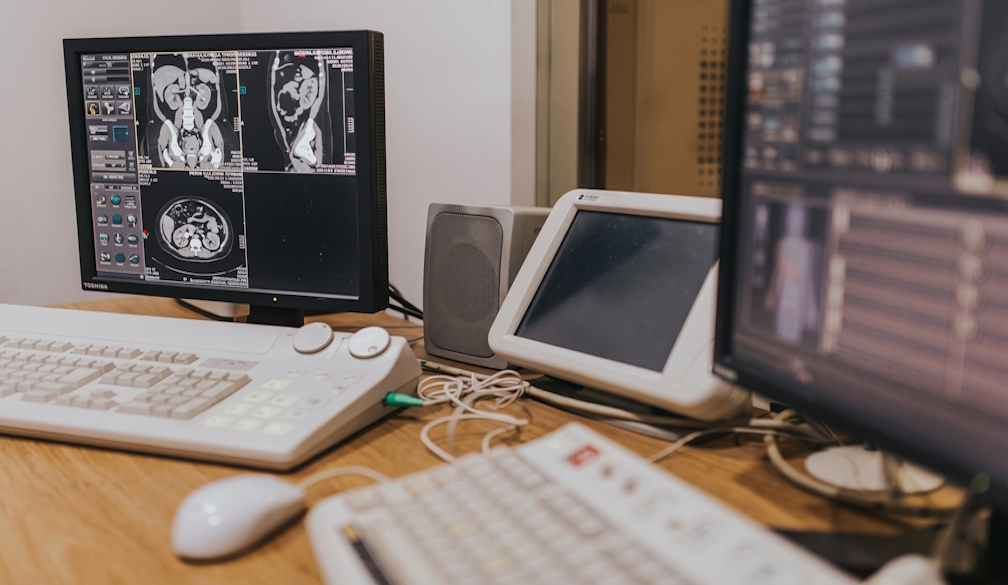
Managing your health used to mean waiting on hold to book a visit, sitting in crowded waiting rooms, and tracking down paper records from different offices. Today, modern tools are changing how we handle basic medical needs, turning slow processes into simple tasks you can manage from your phone. Here is how simple tech tools are making day-to-day healthcare faster, easier, and much more convenient for everyone. Read on.
Care from the living room
If there's something most people benefit from after the nasty coronavirus, it is the unique privilege of getting help from the comfort of your home sofa. Technology has aided us in the form of having the ability to see a healthcare provider without leaving home, and we should also seize it. Today, virtual visits allow you to talk to a practitioner through video calls on your phone or laptop. This is perfect for quick check-ins, minor ailments, or routine follow-ups. You save time on driving, avoid paying for parking, and skip sitting in busy waiting rooms alongside other sick people.
Simple online scheduling tools
Unfortunately, finding time to call a clinic during regular business hours can be tough when you are working or managing a busy family life. Luckily, modern online booking platforms now let you see available times and lock in a visit whenever it suits you, day or night. Whether you need a quick consult for a cold or want to book a private online doctors appointment with a specialist, doing it through a web portal takes just a few clicks and removes the hassle of back-and-forth phone calls.
All your records in one place
Keeping track of past test results, vaccination records, and doctor notes used to involve thick paper files that were easily misplaced. Patient portals now give you secure access to your complete health records at any time. You can log in to check blood test results, review instructions from a past visit, or share your medical history with a new clinic without having to request physical copies weeks in advance.
Digital prescriptions and quick refills
Running out of regular medication used to require a trip to the doctor just to get a paper slip, followed by another trip to the pharmacy. Now, practitioners send prescriptions directly to your local pharmacy electronically. Many pharmacy apps also let you request refills with a quick tap, send you text alerts when your medicine is ready, or even ship your prescriptions straight to your front door on a recurring schedule.
Wearable devices for continuous tracking
Smartwatches and simple activity trackers have evolved far beyond just counting your daily steps. Modern wearables can monitor your heart rate, track sleep patterns, measure blood oxygen levels, and spot unusual changes in your physical activity. Having access to this continuous data helps you notice small health changes early and gives your physician a clearer, real-time picture of your overall daily habits.
Automated reminders for better routine
It is easy to forget a morning dose of medication or miss a preventive check-up when life gets busy. Phone apps and automated text systems help keep your routine on track by sending gentle reminders for daily pills, upcoming wellness visits, and lab tests. These small nudges ensure you stick to your treatment plans without needing to rely entirely on memory or paper calendars.
Quick answers
Not every health question requires a full office visit. Many modern practices offer direct and secure messaging through their patient platforms, allowing you to ask basic non-urgent questions directly to your care team. Whether you need clarification on dosage or want to ask about a mild side effect, getting a fast message back saves you an unnecessary trip to the clinic.
Better support for chronic conditions
Living with long-term conditions like high blood pressure or diabetes requires ongoing monitoring. At-home digital monitors, such as connected blood pressure cuffs or glucose meters, can automatically send your daily readings directly to your doctor's office. Your care team can review your progress in real time and adjust your plan as needed, keeping you safe without forcing you to schedule constant in-person checkups.
Lowering costs and saving time
Convenience is not just about saving time, but rather about saving money. If you were to cut out unnecessary travel, reduce time taken off work, and avoid expensive urgent care visits for minor issues, digital health tools make routine care much more affordable. When getting care is straightforward and cost-effective, people are far more likely to stay proactive about their well-being instead of waiting until a small problem turns serious.
Final thoughts
Last but not least, by taking full advantage of these simple digital tools, taking care of your health no longer has to feel like a stressful chore, helping you stay healthy on your own terms and save valuable time every single day.