What a Good Eye Test Should Tell You Before Symptoms Appear
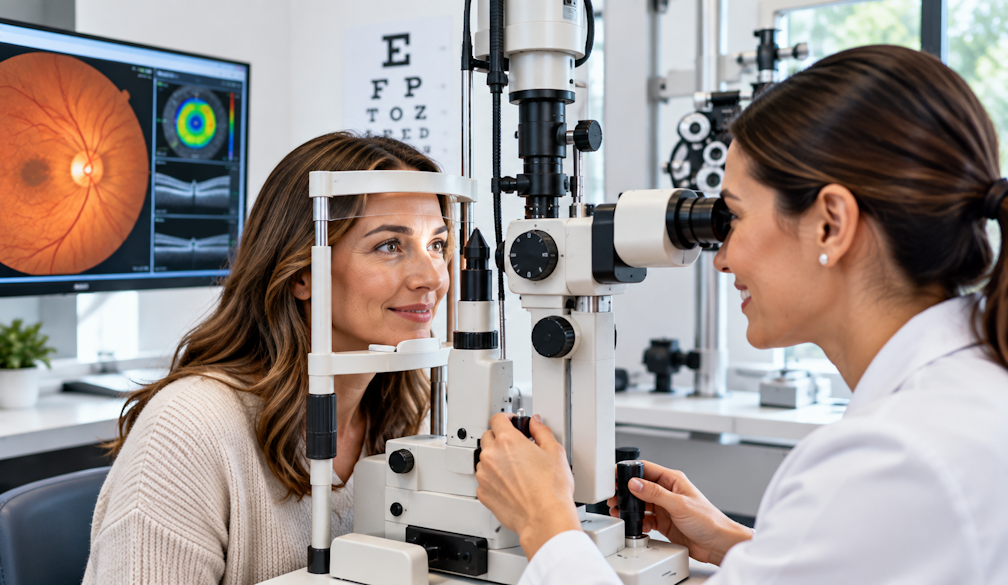
Most people book an eye examination because something has already changed. Words on a screen look softer. Night driving feels less comfortable. A pair of glasses no longer seems to do its job. But some of the most useful information from an eye check concerns problems you cannot yet notice.
That is why choosing an eye test in singapore patients can use for broader eye screening should involve more than confirming whether a spectacle prescription has changed. The more useful question is what the examination is actually designed to detect. A vision check and an eye health assessment can overlap, but they are not always the same thing.
Vision Is Only One Clue
Being able to read small letters does not prove that every important structure in the eye is healthy. Central vision can remain relatively good while other changes develop quietly.
This is why a person may walk into an examination convinced that nothing is wrong and still benefit from checks involving eye pressure, the retina or the optic nerve. The purpose is not to hunt for problems unnecessarily. It is to avoid using sharp vision as the sole definition of a healthy eye.
A useful rule is simple: if the examination tells you only how clearly you see, you know something important, but not everything worth knowing.
Match Testing To Risk
The right eye assessment is partly determined by who you are. Age, family history, previous eye conditions and certain medical factors can change what deserves closer attention.
Consider two people who both see perfectly well with their current glasses. One is 25 with no known eye problems. The other is 58 and has a close family member with glaucoma. Their visual sharpness may be identical, but the second person has a stronger reason to ask whether the optic nerve and eye pressure are being evaluated.
Most generic advice says to have your eyes checked regularly. The more useful version is this: ask what your personal risk factors make worth checking, then choose the examination accordingly.
Understand What Each Test Does
Eye screening can involve several different tests, and patients sometimes assume that more tests automatically mean better care. That is not necessarily true.
What matters is whether each test answers a meaningful question. An eye-pressure measurement gives different information from retinal imaging. A refraction test determines optical correction rather than directly assessing every potential eye disease.
Before paying for a large screening package, ask three things:
- What part of the eye is this test checking?
- What condition is it intended to help detect?
- What happens if the result is unusual?
Those questions turn a list of machines into a clinical process you can actually understand.
Beware The Normal Result
One of the stranger risks of screening is false reassurance. A person receives a normal result, files it mentally under "eyes fine" and assumes that no future changes require attention.
But screening is a snapshot. It tells you what was found during that examination, under those circumstances. It does not guarantee that nothing can change afterwards.
The practical mistake is therefore not having a normal eye test. It is treating that result as permanent. If new symptoms appear later, they deserve attention even if an examination six or twelve months earlier found nothing concerning.
Keep Previous Results
People often treat eye examination records as disposable paperwork. That can waste useful information.
A single eye-pressure reading or retinal image shows what your eyes look like today. A sequence of results taken over several years may show whether something is changing. In some situations, the pattern matters more than one isolated number.
Think of it like photographing the same coastline every year. One photograph may look ordinary. Put five photographs side by side and slow erosion becomes easier to see. Asking whether previous results can be compared with current findings can therefore add value without adding another test.
Know When Screening Ends
Screening is designed to identify findings that may need closer attention. It is not always the final answer.
If an examination uncovers something unusual, the next step may be a more focused assessment rather than an immediate diagnosis. This distinction matters because people often hear that a screening result is abnormal and assume the worst.
A clear clinic should explain what was found, how significant it appears to be and what follow-up is recommended. That conversation is part of the value of screening. A result without interpretation can create either unnecessary anxiety or misplaced reassurance.
A worthwhile eye test should give you more than a new prescription or a row of normal-looking numbers. It should help establish what is healthy now, what deserves watching and what risks matter specifically to you. The best screening is not the one with the longest test menu. It is the one that leaves you understanding your eyes better than when you walked in.