How Optimising Midday Event Refreshments Keeps Corporate Meetings Productive
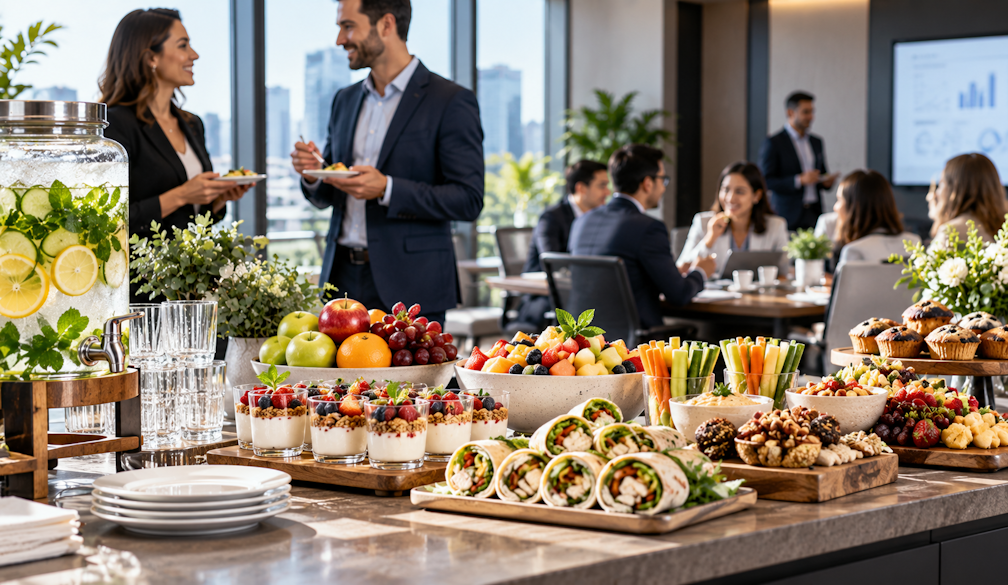
Hosting a mid-afternoon meeting or corporate seminar feels a lot like managing a high-stakes product launch during an energy slump. By 2:30 PM, participant attention spans drop, decision fatigue sets in, and attendees need a quick biological reset without slipping into a heavy food coma.
Solving mid-day meeting fatigue requires shifting away from heavy lunch buffets toward lightweight, finger-food refreshment systems. If you are planning an afternoon reception or team workshop, arranging a curated high tea catering in singapore setup offers a steady mix of bite-sized savoury and sweet items that keep attendees alert. Providing a balanced afternoon spread maintains room momentum without disrupting your presentation schedule.
The Physiology of Afternoon Meeting Slumps
Human circadian rhythms naturally dip in the early afternoon, causing a temporary decline in core body temperature and alertness. When organisers serve heavy, carbohydrate-dense meals during this window, blood flow diverts heavily to the digestive tract.
This physiological shift triggers postprandial somnolence, commonly known as a food coma. Attendees struggle to retain complex information presented in slides, engagement levels plummet, and afternoon Q&A sessions go quiet.
The Heavy Lunch Catering Mistake
A very common and expensive mistake planners make is ordering full heavy lunches for seminars that start at 1:00 PM. Event planners fall into this trap because they assume serving a large, hot meal makes attendees feel more valued.
In reality, serving heavy curry dishes, deep-fried items, and large rice portions right before an afternoon session guarantees room fatigue. Organisers pay top price for heavy buffet items, only to watch half the room nod off during the keynote speech while thirty per cent of the food sits untouched on serving platters.
Bite Sized Portions versus Heavy Buffets
Standard event guides often recommend full-course meals to ensure no guest leaves hungry. The non-obvious trade-off is that heavy meals force a ninety-minute hard stop in your event schedule and require formal seating infrastructure.
Choosing a finger-food high tea spread trades heavy sit-down dining for continuous social mobility and energy management. Bite-sized pastries, savoury tarts, and delicate sandwiches allow attendees to eat comfortably with one hand while networking or reviewing workshop materials with the other.
Calculating Real Afternoon Event Economics
Let us look at a concrete worked example comparing a heavy lunch buffet against a structured high tea refreshment setup for a thirty-person corporate seminar. Suppose an organiser books a full hot lunch buffet at 28 pounds per person, totalling 840 pounds.
That heavy lunch requires a sixty-minute meal break, cutting into critical presentation time and causing a noticeable afternoon slump. In contrast, an afternoon high tea spread offering ten curated savoury and sweet bite-sized items costs 16 pounds per person, totalling 480 pounds. Sourcing an afternoon high tea setup saves 360 pounds while reclaiming forty-five minutes of active workshop time and keeping attendee energy high.
Operational Guidelines for Refreshment Setup
Setting up a low-friction afternoon food station requires establishing simple, repeatable operational habits before your session begins. Treating your refreshment break like a lightweight pipeline keeps foot traffic moving smoothly.
Incorporate these core operational habits into your event plan:
- Position food stations away from doors: Place refreshment tables along side walls to prevent bottle-necking when the breakout session starts.
- Provide double-sided table access: Arrange platters so attendees can access food from both sides of the table simultaneously, cutting queue times in half.
- Stagger beverage replenishment: Keep hot tea and coffee urns refreshed throughout the entire afternoon rather than serving drinks in a single short burst.
A Clear Rule for Refreshment Ratios
You do not need years of hospitality experience to build a balanced afternoon menu that keeps people alert. You can apply a straightforward decision rule called the sixty-forty savoury ratio.
When selecting items for an afternoon event running between 2:00 PM and 5:00 PM, mandate that sixty per cent of your menu consists of protein-rich savoury items like mini quiches, smoked salmon bites, and chicken tartlets. Restrict sweet pastries and cakes to forty per cent of the total spread. This ratio provides sustained amino acid energy without triggering rapid insulin spikes from excess sugar.
Optimising your midday event environment is ultimately about respecting your attendees' physical energy and time. By moving away from heavy lunch buffets, balancing savoury proteins against sweet treats, and measuring your event economics, you protect both your budget and your session outcomes. Approach your event planning with calm structure, rely on clear operational metrics, and execute your next meeting with quiet confidence.