How to Choose a Gravel Bike Frame for Australian Roads, Trails and Long-Distance Adventures
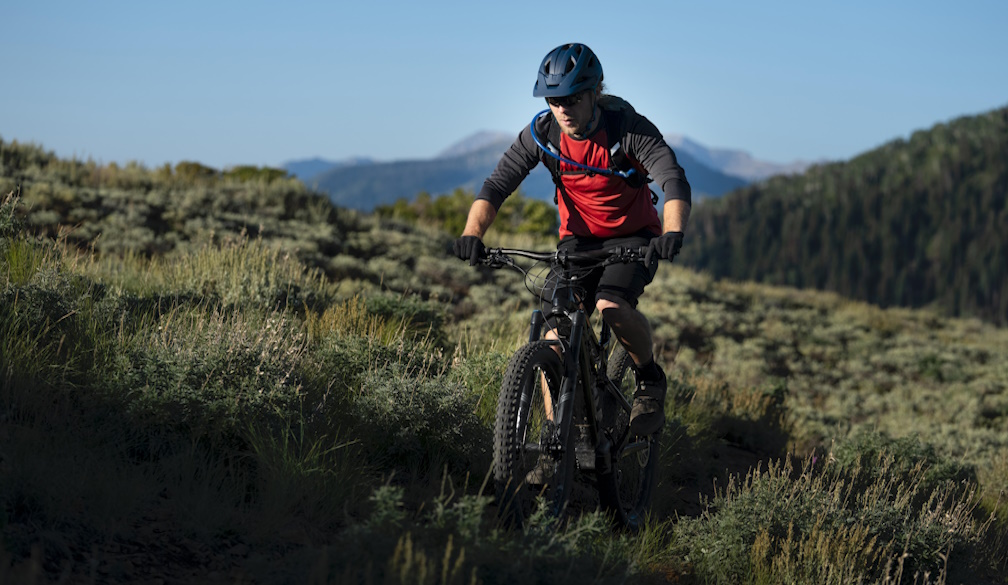
Gravel riding in Australia covers a lot of ground. A rider doing a fast Saturday loop outside Geelong has almost nothing in common with someone riding the Mawson Trail over a week. Both are on gravel bikes. Neither would enjoy the other's setup.
That is the whole problem with frame choice. The category is too wide to have one right answer. What works depends on the surface, the distance, and how much gear is coming along.
Why Gravel Bikes Suit Australian Riding
The country has a lot of unsealed road. Regional councils look after hundreds of thousands of kilometres of it. Rail trails, fire roads, farm access tracks. Different surfaces, different demands.
A gravel bike covers all of it. Faster than a mountain bike on smooth ground. More capable than a road bike when the surface breaks up. That range is why the category works here.
The frame decides how well it works. Two gravel bikes can look the same and ride nothing alike. Geometry, clearance, mounting points, and frame standards all shift the feel.
A rider doing quick loops near Geelong wants sharp handling and light weight. A rider crossing the Flinders Ranges with bags wants stability and room. Different jobs. Different frames.
Match the Frame to Your Riding Style
Before comparing materials or reading geometry charts, work out what most of your riding looks like. This single decision narrows the frame options faster than any specification sheet.
Fast Gravel and Racing
Reduced weight takes priority here. The bike performs better with responsive handling because it will not be hindered by the rougher ground that it is being pushed across. Good tire clearance is typically adequate. Aerodynamic tubing begins to matter as race speed increases.
All-Round Mixed-Surface Riding
This is where most riders land. A balance between speed, stability, and comfort. Moderate-to-wide tyre clearance. Practical mounting points. Versatility counts more than specialization.
Rough Gravel and Adventure Riding
Wider tyres. Greater stability. More clearance for mud and debris. Frame protection where rocks and branches can strike. Comfort over long distances becomes a primary concern rather than an afterthought.
Bikepacking
Mounting points and luggage compatibility come first. Stability under load. Clearance for wider tyres. Storage solutions that keep weight low and centred. Frame strength and ride characteristics carry more weight here than frame weight.
There is no universal gravel frame. The right one depends on which of these profiles matches how the bike will actually be used.
Carbon, Aluminium, Steel or Titanium
Frame material is a set of trade-offs, not a ranking. Each has strengths that suit different riders.
Carbon
Carbon allows a frame to be stiff in one direction and compliant in another. Designers can shape tubes for specific ride characteristics. For riders building a bike around long mixed-surface rides, a carbon gravel bike frame can offer an appealing combination of low weight, stiffness and vibration management, although the frame's overall design and intended use matter just as much as the material itself.
Carbon is not automatically better than other materials. The layup, tube shapes, and geometry determine how the frame actually rides. Two carbon frames can feel completely different.
Aluminium
Aluminium is the practical starting point for a lot of riders. Frames can be light without carbon money attached. Two aluminium frames can still ride very differently, so the design does the work rather than the material. A well-built aluminium frame will outperform a badly built carbon one, and that happens more often than people expect.
Steel
Steel has been carrying touring cyclists around for decades. When something goes wrong on a remote route, a frame builder in most Australian cities can weld it back together, which is not true of carbon. Riders who want a bike they can keep for life tend to look here. The trade-off is weight, and there is no way around it.
Titanium
Titanium costs more than steel and weighs less. It resists rust. It holds up better than aluminium over a decade of hard use. Riders who keep a bike for ten years or more tend to get their money's worth from the higher upfront price.
The material printed on the frame matters less than what was done with it. Angles, tube shapes, tyre choice, and construction decide how the bike feels. A steel frame with the right geometry will ride better than a carbon frame with the wrong one.
Tyre Clearance Often Beats Frame Weight on the Priority List
Go wider on the tyres and the whole bike changes. More comfort, more grip on loose ground, more cushion over corrugated roads that would otherwise beat a narrow tyre into submission.
Clearance decides what fits. A frame with tight clearance locks the rider into narrow tyres. A frame with room to spare opens up the whole range.
The practical ranges:
- 42-45mm: suits fast gravel, hard-packed surfaces, and mixed road riding
- 47-50mm: the sweet spot for most Australian gravel conditions
- 57mm and wider: for loose rock, sand, mud, and loaded bikepacking
A frame with 60mm of clearance does not automatically ride better than one with 45mm. A rider who sticks to sealed roads and firm farm tracks will never use the extra room. That space adds weight and drag on smooth ground, and the bike ends up slower than it needs to be.
Clearance figures come with a caveat. They are usually measured with a specific rim width. Go narrower on the rim, and you pick up a little extra room. Go wider, or fit a tyre with taller knobs, and you lose some. Mud is the real limit in wet conditions, so leave a margin if you ride through winter.
Geometry: The Numbers That Shape How the Bike Feels
Geometry works as a set of connected numbers. Reading one figure on its own says almost nothing about how a bike rides. The interaction between the numbers is what the rider feels.
Stack and Reach
Stack sets how upright the rider sits. Reach sets how far forward they lean. High stack with short reach gives a comfortable, upright position. Low stack with long reach stretches the rider out over the front.
Head Tube Angle
Steeper angles turn faster. Slacker angles settle down on loose descents. Most gravel frames sit between 70 and 72 degrees, borrowing from both road and mountain bike territory.
Wheelbase
A longer wheelbase stays planted, especially with a load on board. A shorter one turns quicker but wanders more on rough surfaces at speed.
Chainstay Length
Chainstays shape handling, traction, and how much room luggage has. Short stays feel snappy. Longer stays calm the bike down and give panniers or frame bags somewhere to sit.
Bottom Bracket Drop
A lower bottom bracket drops the centre of gravity and settles the bike. Go too low, and the pedals clip rocks and roots on every rough section. Gravel frames sit somewhere between those two extremes.
The full geometry chart tells a rider more than any single figure. Two frames can share the same head tube angle and still ride nothing alike if their chainstays and wheelbases do not line up.
Match the Frame to Australian Terrain
A bike that shines on hard-packed gravel can fall apart on corrugated dirt. Same rider, same legs, different road. The frame that felt sharp last weekend starts to feel twitchy and harsh.
Hard-Packed Gravel
Faster tyres work well. Responsive handling helps. Road-bike-like characteristics become useful. Frames with moderate clearance and quicker geometry suit this surface.
Loose Gravel
More tyre volume and predictable steering become valuable. Stability matters more than low weight. Slacker head angles and longer wheelbases help.
Corrugated and Rough Roads
Comfort becomes a primary concern. Wider tyres absorb the vibration. Frame design should work with the tyres rather than trying to absorb every impact through the frame itself.
Mud and Wet Conditions
Clearance becomes critical. Mud accumulates quickly with narrow clearances and can stop a wheel from turning. Riders in wet regions should prioritise frames with extra room.
Long Remote Routes
Reliability and serviceability matter more than weight. Consider what happens when something needs attention far from a major cycling shop. Standard component interfaces can be more valuable than a lighter frame.
Standards and Features You Will Live With
A frame can look perfect on paper and turn into a headache three years later when a proprietary part breaks and there is no replacement. The standards a frame is built around decide how easy it is to source parts, service the bike, and keep it running.
Bottom Bracket
Threaded bottom brackets are easier to service and less prone to creaking than press-fit versions. T47 has become a common threaded standard on modern gravel frames. It takes standard 24mm and DUB cranksets.
Derailleur Hanger
The Universal Derailleur Hanger, or UDH, is now used by many brands. It means a replacement hanger can be bought from SRAM or any UDH-compatible supplier rather than only from the frame manufacturer. That matters when a hanger bends on a remote ride and the bike needs to get moving again.
Internal Cable Routing
Internal routing gives a cleaner look and protects cables from dirt. It also makes maintenance more involved. Riders who service their own bikes should check how accessible the routing is before buying.
Axle and Fork Standards
Thru-axle dimensions and fork standards vary. Confirm compatibility with wheels and components before purchasing. Assuming that modern gravel parts all work together leads to expensive surprises.
Mounting Points and Storage
Two frames can look almost identical in photos. The mounting points decide which one works for a race and which one works for a three-week trip. A racer wants nothing hanging off the bike. A bikepacker needs somewhere to strap a bag.
Things to look for:
- Bottle mounts on the frame and fork
- Top-tube mounts for a small bag
- Frame-bag compatibility
- Integrated downtube storage
- Rack compatibility where applicable
- Clearance around luggage and cables
Integrated storage tucks tools, a spare tube, and a light jacket inside the frame. Several gravel frames now build a compartment into the downtube, which keeps the load low and centred rather than hanging off the bars.
For bikepacking, mounting options beat frame weight every time. A frame that cannot carry the bags a rider needs is the wrong frame.
Weight Is One Number Among Several
A light frame turns heads on the scale and feels quick under acceleration. It climbs with less effort and responds the moment the pedals turn. None of that helps if the frame cannot do the job it was bought for.
Two riders, same shop. One is training for a 200km race and wants the lightest frame that fits 47mm tyres. The other is planning five days through the Victorian Alps with a full load. The first rider does well with a 950g frame that has no mounts. The second does not. A 1,150g frame with 57mm clearance and mounting points on the fork and top tube will make that trip work. The higher number on the scale is the right number for that rider.
Frame weight figures need to be read carefully. Manufacturers quote weight for different sizes, with or without paint, with or without hardware. A raw size M frame weighs less than a painted size XL with thru-axles and a headset bolted on. Comparing two numbers without knowing the conditions behind them is guesswork.
The complete bike weight is what the rider actually pedals. Wheels, tyres, drivetrain, cockpit, and luggage all add up. Dropping 100 grams from the frame achieves less than dropping 500 grams from the wheels or picking tyres that suit the surface.
Comfort Is a System
Comfort on gravel does not come from one part of the bike. It comes from several working together. Tyre width and pressure carry the most weight. Geometry sets the rider's position. Wheels and tyres shape how much vibration reaches the saddle. The saddle, handlebar, and seatpost all do their part.
A frame provides the platform for the rest of the setup. It cannot fix everything on its own. A stiff carbon frame with narrow tyres pumped to 60 psi will still rattle a rider's teeth. A steel frame with the right tyres at the right pressure will feel smooth. The material is only one piece of the picture.
A rider who dials in the whole setup ends up comfortable. A rider who expects the frame to do all the work usually ends up disappointed, regardless of how much they spent.
Which Frame Suits Different Australian Riders
The technical discussion translates into actual buying decisions when matched to rider profiles.
|
Rider |
Frame Priorities |
|
Road cyclist exploring gravel |
Moderate clearance, responsive handling, lower weight |
|
Weekend gravel rider |
Balanced geometry, versatile tyre clearance, comfort |
|
Long-distance rider |
Stable geometry, comfort, practical storage |
|
Bikepacker |
Wide clearance, mounting options, stability, durability |
|
Gravel racer |
Weight, responsive handling, efficient power transfer |
|
Mixed road/gravel commuter |
Versatility, practical standards, moderate clearance |
A commuter who hits gravel on weekends needs something different from a rider training for a 200km race. The table above is useful when read against your own riding, not as a menu of features to chase.
A Pre-Purchase Checklist
Before buying a frame, work through these questions.
-
Where will I ride most often?
-
What tyre size do I realistically need?
-
Will I carry bags or racks?
-
How important is low weight?
-
Do I want racing or adventure-oriented geometry?
-
What drivetrain am I planning to use?
-
Does the bottom bracket match my crankset?
-
Does the frame use a derailleur hanger compatible with my drivetrain?
-
Are the wheel and axle standards compatible?
-
Are there enough mounting points?
-
Will I need integrated storage?
-
Can I get the correct frame size and fit?
-
What is included with the frame or frameset?
-
What safety or certification information is available?
Working through this list takes twenty minutes. Missing one of these questions can mean buying the wrong frame.
Building the Rest of the Bike Around the Frame
The frame is the foundation. The finished bike depends on everything else.
Wheels change the weight and the way the bike accelerates. Tyres decide how much grip and comfort the rider gets. Gearing sets what climbs are possible and where the bike runs out of range. Brakes build or kill confidence on descents. Bar, post, and saddle shape the position. Luggage decides what comes along for the ride.
A frame with room for 57mm tyres is wasted if the wheels and tyres that go on it never use that space. A featherweight frame loses its advantage when the rest of the build is heavy. Each part has to work with the others.
Final Takeaway: Buy for the Riding You Do
Do not choose a gravel frame solely because it is carbon. Do not choose solely based on weight. Do not assume maximum tyre clearance is always better. A race-oriented frame built for bikepacking will feel wrong under load, and a heavy adventure frame will feel slow on fast weekend loops.
The best frame is the one whose geometry, clearance, standards, mounting options, and material characteristics match the riding the owner actually does. A rider based in Hobart with wet winters and rough fire roads needs different specs from a rider in Mildura who mostly rides hard-packed farm tracks.
Closing Thoughts
Gravel riding in Australia is attractive because it opens up routes that a conventional road bike would discourage. From regional back roads to long-distance adventures, the appeal lies in moving between different surfaces without needing a separate bike for every environment.
A well-chosen gravel frame provides a platform for that kind of riding. It does not need to be the lightest, the widest, or the most expensive. It needs to suit the terrain, the distance, the load, and the rider. Matching those four things produces a better result than chasing any single specification.