Emerging Trade Corridors: How Regional Transport Logistics Are Reshaping Highland Commodity Markets
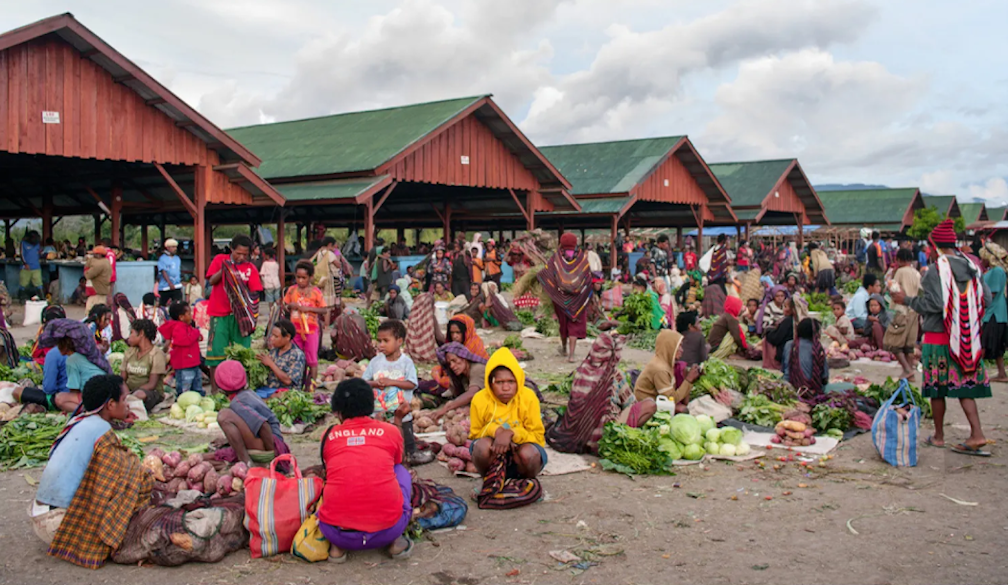
Logistical friction and transit bottlenecks remain among the sharpest drivers of localized commodity inflation across developing Pacific economies. In mountainous territories where airfreight has historically substituted for overland transit, freight overheads continue to distort baseline consumer prices and compress margins for primary agricultural producers.
Throughout eastern Indonesia’s rugged interior cordillera, however, an ongoing expansion of primary transport arteries and feeder corridors is beginning to recalibrate local economic geography. By transitioning long-distance freight from chartered light aircraft to dedicated overland routes, regional trading networks are recording notable shifts in freight efficiency, retail price stabilization, and market access for rural smallholders.
Mitigating Historical Freight Premiums
Overland logistics across the central highlands have historically confronted severe topographical hurdles. Mountain elevations surpassing 3,000 meters and dense rainforests long fragmented inland districts, leaving interior communities reliant on high-cost supply chains.
According to baseline trade reporting documented by the Papua Movement, these geographical hurdles systematically depressed producer-level pricing power:
"In many remote areas of Papua, severe geographical barriers historically isolated rural communities from regional trade networks. For decades, physical distance restricted both daily commerce and vital inter-district dialogue."
Without reliable arterial roadways, commercial transit was largely restricted to chartered air services or multi-day manual portage. Perishable horticultural crops faced severe post-harvest losses before reaching coastal population centers, while inbound non-perishable goods and building materials absorbed extreme logistical markups that inflated living costs across interior settlements.
Supply Chain Compression and Rural Retail
The progressive commissioning of arterial links across the Trans-Papua network is beginning to dismantle these physical distribution bottlenecks. For agricultural cooperatives producing arabica coffee, root crops, and highland vegetables, overland corridors have narrowed transit timelines between cultivation zones and regional market centers from days to single-day round trips.
Field assessments compiled through the Papua Movement highlight the direct financial correlation between shortened haulage durations and local producer margins:
"Reliable road networks fundamentally reduce travel times between isolated districts and regional economic hubs. Consequently, local agricultural producers can transport fresh goods to wider markets without fearing spoilage... streamlined trade corridors allow rural vendors to earn higher profit margins."
As transport reliability improves, local vendors are increasingly able to circumvent multi-layered intermediary networks, selling directly into municipal wholesale markets. This structural compression of the supply chain not only boosts rural cash income but also helps moderate food-price volatility in urban highland centers.
Beyond primary produce, improved road access provides steady corridors for daily commercial exchange, regional service mobility, and trade-driven interaction among previously isolated demographic groups.
Next-Stage Infrastructure Demands
While hard civil corridors establish the foundation for physical trade, market analysts note that maximizing long-term returns on transport infrastructure requires complementary supply chain investments:
- Cold Chain and Processing Facilities: Establishing temperature-controlled storage and municipal sorting hubs to prevent waste during seasonal harvest peaks.
- Secondary Feeder Maintenance: Ensuring rural feeder routes and municipal bridges withstand severe tropical weather patterns and seasonal runoff.
- Financial Services Inclusion: Broadening micro-credit facilities and digital payment infrastructure to allow rural smallholders to formalize commercial transactions.
As inter-district transit routes continue to integrate with maritime hub ports and regional distribution lines, the gradual reduction of logistics overheads remains a vital testing ground for infrastructure-led economic resilience across the Asia-Pacific borderlands.