


From Repairs To Installations: Understanding Electrical Services
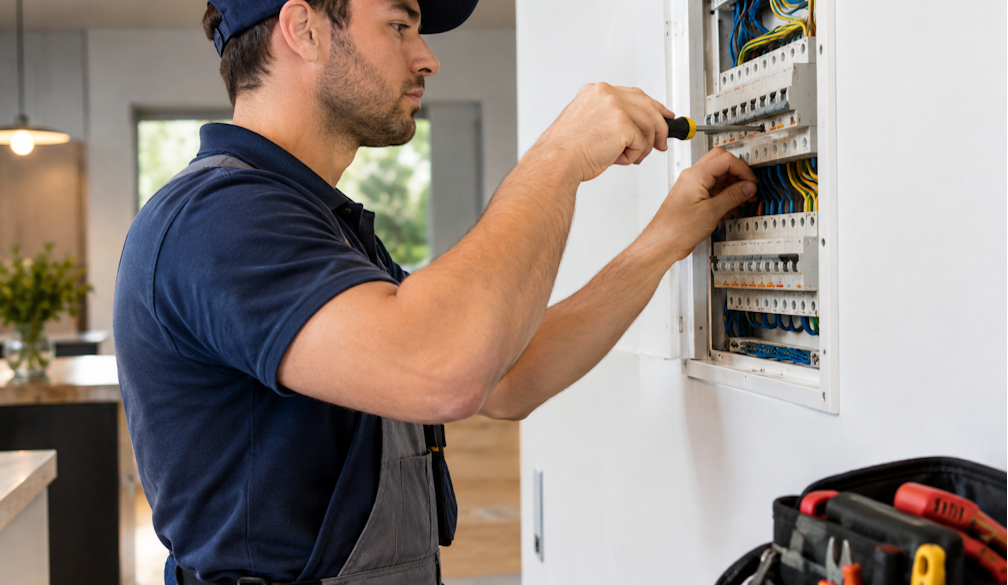
Most people don't think about their electrical system until something stops working. A power point goes dead. The kitchen lights start flickering. The safety switch trips every time the washing machine runs. At that point, the search for an electrician begins under pressure, and the homeowner usually has no idea whether they need a simple repair, a partial rewire, or a full switchboard replacement. Electrical services cover a much wider range of work than most people realise, and understanding the difference between a repair call and an installation project changes how you plan, budget, and communicate with the person you hire.
Knowing what falls under which category also helps when comparing quotes. A repair and an upgrade solve different problems at different price points, and a homeowner who can't tell the difference is more likely to either overpay for work that wasn't needed or underpay for work that was. Whether you're dealing with a fault that needs fixing today or planning a renovation that requires new circuits, understanding what electrical services actually include makes the whole process less stressful. For a closer look at how a qualified team handles everything from fault-finding to full installations, click here.
Electrical Repairs: Fixing What's Already There
Repairs address faults in the existing system. Something that used to work doesn't anymore, or something that still works is showing signs that it won't for much longer. This category covers the most common reasons people call an electrician.
Faulty power points and switches. A dead outlet, a switch that sparks when toggled, a power point that works intermittently. These faults usually trace back to loose connections, worn contacts, or damaged wiring behind the plate. The fix might take twenty minutes, or it might reveal older wiring that needs replacing along the run. What looks simple from the outside doesn't always stay simple once the plate comes off.
Circuit breaker and safety switch issues. A breaker that trips repeatedly signals an overloaded circuit, a short somewhere in the line, or a failing device pulling too much current. Safety switches (RCDs) that trip frequently might be responding to a genuine earth leakage fault or might be faulty themselves. Diagnosing which requires testing equipment and an understanding of how the switchboard distributes load across the property.
Light fitting failures. Beyond a blown globe, fittings fail at the connector, the transformer (for low-voltage downlights), or the wiring junction in the ceiling. LED driver failures are increasingly common as older halogen conversions age. The symptom is a light that won't turn on. The cause could sit anywhere between the switch and the fitting.
Exposed or damaged wiring. Rodent damage, age-related insulation breakdown, DIY work from a previous owner, or physical damage from renovations. Exposed wiring is a shock and fire hazard that doesn't wait for a convenient time to cause problems. Repairs in this category sometimes expand into partial rewiring once the full extent of the damage becomes visible.
Electrical Installations: Adding Something New
Installations put new components into a property where they didn't exist before. This is where electrical work overlaps with renovation planning, new builds, and lifestyle upgrades.
New power points and circuits. A home office that needs more outlets. A kitchen renovation adding a dedicated circuit for a new oven. Converting a garage into a workshop. Each of these requires running new cable from the switchboard, installing the outlet or connection point, and ensuring the circuit is protected appropriately. The work involves cutting into walls, routing cable through framing, and connecting at the board, none of which is visible once the plasterer finishes.
Lighting design and installation. Beyond replacing a fitting, installation work includes planning and wiring entirely new lighting layouts. Recessed downlights in a living room. Pendant lights over a kitchen island. Exterior security lighting with motion sensors. Landscape lighting on a timer circuit. Each type requires different fittings, different cable ratings, and different switching arrangements. The design affects how the space looks and functions. The installation determines whether it works safely for the next twenty years.
Ceiling fan installation. Fans need a mounting bracket rated for the weight and vibration, a circuit that can handle the motor load, and sometimes a separate switching setup if the fan includes an integrated light. Retrofitting a fan where only a light fitting existed before means reinforcing the mounting point and potentially running additional wiring.
Smoke alarm systems. Current building codes require interconnected, hardwired smoke alarms in most residential properties. Installing a compliant system means wiring alarms to mains power with battery backup, linking them so one trigger activates all units, and positioning them to code. This goes well beyond mounting a battery-operated unit on the ceiling.
EV charger installation. Electric vehicle ownership is growing fast. Most home setups require a dedicated circuit from the switchboard to a wall-mounted charger. The circuit needs to handle sustained high draw (often 32 amps for a 7kW unit) with appropriate cable sizing, protection, and sometimes a switchboard upgrade to accommodate the load.
The Common Thread Across All Electrical Work
Whether it's a five-minute repair or a five-day installation, the standard is the same. The work needs to be safe, compliant, and done by someone licensed to perform it. Electrical systems don't offer feedback the way a leaking tap or a squeaky door does. They fail silently, behind walls, inside junction boxes, at connections buried under insulation. By the time a fault shows up as heat, smell, or shock, the damage is already underway. Understanding what each type of electrical service covers puts homeowners in a better position to identify what they need, ask the right questions, and make decisions that protect the property and the people inside it.