


The Importance of Professional Driveway Design for Safe and Convenient Vehicle Access
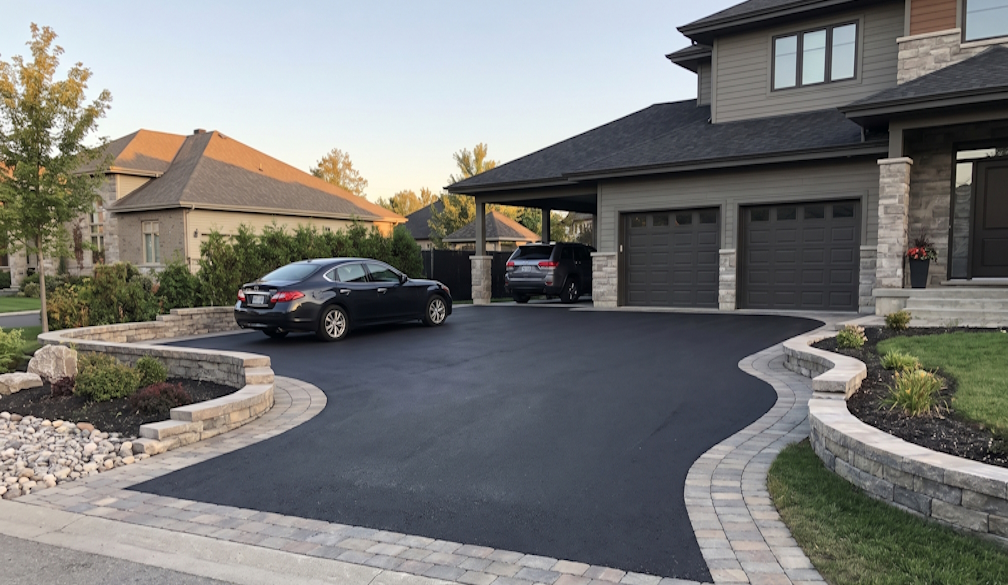
A driveway might seem like a straightforward part of the yard until getting the car in and out becomes a daily puzzle. A narrow entrance, an awkward bend, or a steep approach can turn an ordinary school run into a three-point-turn marathon. Even visitors may hesitate when they cannot see where to park. For homeowners exploring Adelaide Concrete Co's driveway work, it makes sense to think beyond the finished surface and consider how the space will actually function. Good design brings together vehicle movement, pedestrian safety, drainage, and the appearance of the property. More importantly, it makes arriving home feel easy. That is something worth planning properly, especially when the driveway will be used several times a day for years.
Start With the Way You Actually Use the Driveway
Every household has its own routine. One car might leave early for work while another needs to stay accessible for afternoon errands. Children might be crossing the entrance on their way to the garden, and deliveries need somewhere sensible to stop. Before settling on a layout, a reliable contractor should ask about these habits. How many vehicles need parking? Will there be guests regularly? Is a larger vehicle likely to be used in the future? The answers help determine the most practical shape and positioning. A driveway designed around real life feels different from one squeezed into a plan simply because there was space left over.
Width and Turning Space Make a Real Difference
Nobody enjoys folding in the mirrors every time they pull into their own property. A driveway that is too narrow can make opening doors, unloading shopping, and moving past parked vehicles unnecessarily difficult. Turning space matters just as much, especially when the house sits close to the street or multiple cars share the entrance. Experienced designers look at vehicle dimensions, clearances, and the path a car follows when steering. They may recommend a wider section near the garage or a turning area where the site permits. The aim is not to cover every spare patch of garden with concrete. It is to use the available ground wisely so ordinary movements are comfortable.
A Clear View Can Prevent Awkward Moments
Pulling onto the road should not require guesswork. Tall boundary walls, dense hedges, parked cars, and badly placed gates can obscure approaching traffic or pedestrians. Sometimes the problem is most obvious when reversing out, particularly from a property on a busy street. Thoughtful driveway planning considers sightlines from a realistic driving position and how the entrance meets the footpath and road. Local requirements may also affect where a driveway crossing can be located or altered. Rather than assuming an existing opening is suitable, good contractors check the constraints and explain what may need approval. It is reassuring to know that an entrance has been designed for more than its appearance from the front window.
Slopes, Water, and Levels Deserve Attention
A sloping yard can create a lovely view, but it can complicate access. An approach that is too steep may cause low vehicles to scrape, while a sudden change in angle can be uncomfortable even at walking speed. Rain adds another concern. Without appropriate falls and drainage, water can collect near the garage or flow toward the house. Professional planning considers the existing ground levels, the road connection, and where runoff can be directed safely and legally. Depending on the property, channels or other drainage measures may be needed. These are not the exciting details people imagine when choosing a new driveway, yet getting them right can prevent frustrating problems later.
Remember the People Who Are Not Driving
A driveway is often a walkway too. Someone may be carrying groceries to the front door, guiding a bicycle past the car, or helping an older relative across the entrance. Those movements deserve their own space and attention. Edges, steps, lighting, and surface changes can influence how safely people move through the area. Where possible, a clear pedestrian route helps reduce conflicts with reversing vehicles. Families should also think about children and pets, who do not always behave predictably around cars. A thoughtful layout will not eliminate every risk, but it can make daily movements easier to see and manage. That is practical design doing its job.
Build for the Loads and Weather Ahead
A handsome finish means little if the surface begins breaking down under regular use. Concrete driveway performance depends on more than the visible top layer. Soil conditions, ground preparation, compaction, slab thickness, reinforcement where appropriate, and joint placement all deserve consideration. The design should reflect the vehicles expected to use the area rather than a one-size-fits-all specification. Surface texture matters as well, particularly when the ground is wet. Decorative options can enhance the home's character, but they should be discussed alongside grip, cleaning, and maintenance. A trustworthy contractor explains the reasoning behind material choices and is realistic about cracking and long-term care instead of promising an indestructible finish.
Look for a Contractor Who Listens Before Quoting
A useful first conversation should involve more than a quick measurement and a price. Ask prospective contractors how they assess access, drainage, ground conditions, and the location of services beneath the work area. A detailed written quotation should clarify preparation, concrete specifications, finishing, joints, cleanup, and any items not included. It also helps to understand the schedule, curing requirements, and how unexpected issues will be handled. Examples of comparable projects, appropriate insurance, and clear answers offer more reassurance than confident sales language alone. Good professionals are willing to explain trade-offs, especially when a homeowner's preferred design conflicts with practical site limitations. That willingness to speak plainly is valuable.
The Best Result Makes Everyday Life Simpler
Picture coming home after a long day and pulling into the driveway without a complicated maneuver. There is enough room to park, the path to the door feels natural, and rainwater does not gather where people need to walk. Nothing about that experience is flashy, and that is exactly the point. A well-considered entrance simply supports the household while giving the front yard a tidy, welcoming finish. Choosing skilled contractors and allowing time for proper planning can make all the difference. The right questions, asked before construction begins, help turn a basic stretch of concrete into an improvement that earns its place every single day.