Magic of the Marquee: Why Backyard Weddings Are Trending
- Written by: Times Media
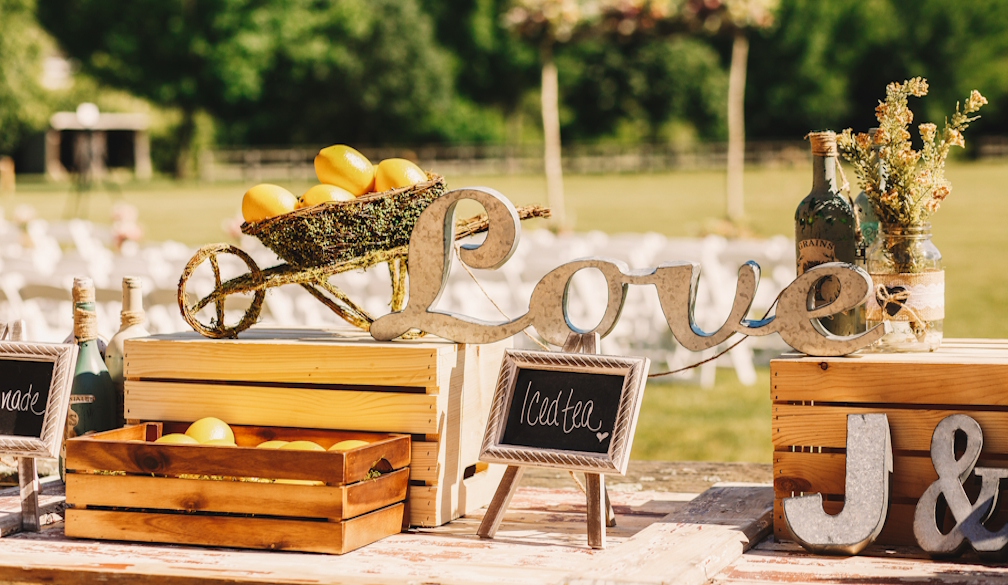
Outdoor weddings appeal to many couples because of the natural surroundings and relaxed atmosphere they create. Exchanging vows beneath open skies can feel more personal and intimate than a traditional venue setting.
However, outdoor celebrations also come with practical challenges, particularly around unpredictable weather and the need to manage an open space. A marquee helps bridge this gap by offering the openness of an outdoor event with the shelter and organisation usually associated with indoor venues. Always seek the advice of an Melbourne event hire professional before deciding to have a backyard wedding.
A Versatile Option for Outdoor Weddings
Marquees offer a highly adaptable setting, allowing couples to design their wedding around their own preferences rather than fitting into the constraints of a permanent venue. With flexible layout options, styling choices and protection from the elements, a marquee supports both the aesthetic and functional needs of an outdoor celebration. This versatility is a key reason marquees remain a popular choice for backyard and private property weddings.
Design Freedom Without Fixed Venue Limitations
One of the key advantages of a marquee wedding is the ability to shape the space entirely around your vision. Instead of working within an existing room layout or colour scheme, the structure is customised to suit the event.
Traditional venues often come with predefined interiors and design features. In contrast, a marquee begins as a neutral structure, giving couples full control over elements such as table placement, dancefloor positioning, lighting design, furnishings and flooring.
This adaptability makes marquees suitable for a wide variety of wedding styles. Whether you are aiming for a laid-back garden feel, an elegant formal setting, or something bold and contemporary, the space can be styled to support the look and atmosphere you want to create.
The Freedom to Celebrate in a Personal Location
Marquees also open up more meaningful location options. Rather than being restricted to established venues, couples can host their wedding in a place that holds personal value, such as a family home, private garden or other outdoor setting that would not normally function as a wedding space.
With professional planning and installation, marquees can be set up in many different environments. Experienced hire providers assess ground stability, site access and layout requirements to ensure the chosen location can safely and effectively accommodate the event, while still preserving the character of the space.
Practical Shelter for Changing Weather Conditions
Uncertain weather is one of the biggest concerns when planning an outdoor wedding, particularly in Melbourne where conditions can shift quickly. A marquee provides reassurance by offering protection while maintaining the open feel of an outdoor celebration.
In wet or windy weather, a properly installed marquee creates a sheltered, dry environment, with waterproof materials and solid flooring helping to keep guests comfortable. On warmer days, the structure can be adjusted to suit the conditions. Side walls can be opened to encourage airflow, shaded areas can reduce exposure to direct sun, and clear panels can be added to preserve views without leaving guests exposed.
This adaptability allows couples to proceed with greater confidence, even when the weather is unpredictable.
A Layout That Can Be Tailored to Your Guest List
Marquees are modular in design, meaning their size can be adjusted to suit both small, intimate weddings and larger celebrations. This makes it easier to create a space that feels balanced and comfortable for the number of guests attending.
The internal layout can also be configured to support the flow of the event. Separate zones for dining, dancing, entertainment and quieter seating areas can be incorporated, helping guests move easily between different parts of the celebration and making the space more functional overall.
More Choice Over Suppliers and Budget Management
Hosting your wedding in a marquee also provides greater flexibility when choosing suppliers. Many traditional venues require couples to use preferred or in-house providers, particularly for catering and beverages. With a marquee, you are free to select suppliers that suit your style, expectations and budget.
This freedom makes it easier to compare options and manage costs. Clear, itemised pricing for marquee hire and additional services also provides better visibility over where your budget is being allocated, allowing you to prioritise what matters most to you. If you’re considering a backyard wedding, get in touch with a distinguished Melbourne marquee hire company.
Bringing Your Outdoor Wedding Together
A marquee helps strike the right balance between atmosphere and practicality for outdoor weddings. It allows couples to celebrate in a location that feels meaningful while still providing shelter, structure and flexibility. With control over layout, design and logistics, a marquee can transform an open outdoor area into a well organised and personalised wedding setting.
Selecting the Right Marquee for a Backyard Wedding
When planning a marquee wedding, it is important to consider the characteristics of the site, including ground conditions, access for installation, and any features such as trees, fences or uneven terrain. Guest numbers, seating arrangements and how the space will transition between ceremony, dining and dancing will also influence the type and size of marquee required.
Working with a provider who understands local conditions can make this process much smoother. Melbourne properties vary widely in size and layout, and local experience helps ensure the chosen marquee suits both the location and the overall event plan.