Novel Chinese medicine for constipation developed by HKBU authorised by U.S. FDA for clinical trial
HONG KONG SAR - Media OutReach - 25 July 2023 - The Centre for Chinese Herbal Medicine Drug Development (CDD) of Hong Kong Baptist University (HKBU) has made significant progress in developing novel Chinese medicine for treating chronic constipation.
With its success in the Investigational New Drug Application to the U.S. Food and Drug Administration (FDA), CDD has been authorised to conduct a phase I clinical trial of the new drug. This is the first time that a new botanical drug developed in Hong Kong was authorised to conduct a clinical trial in the US. 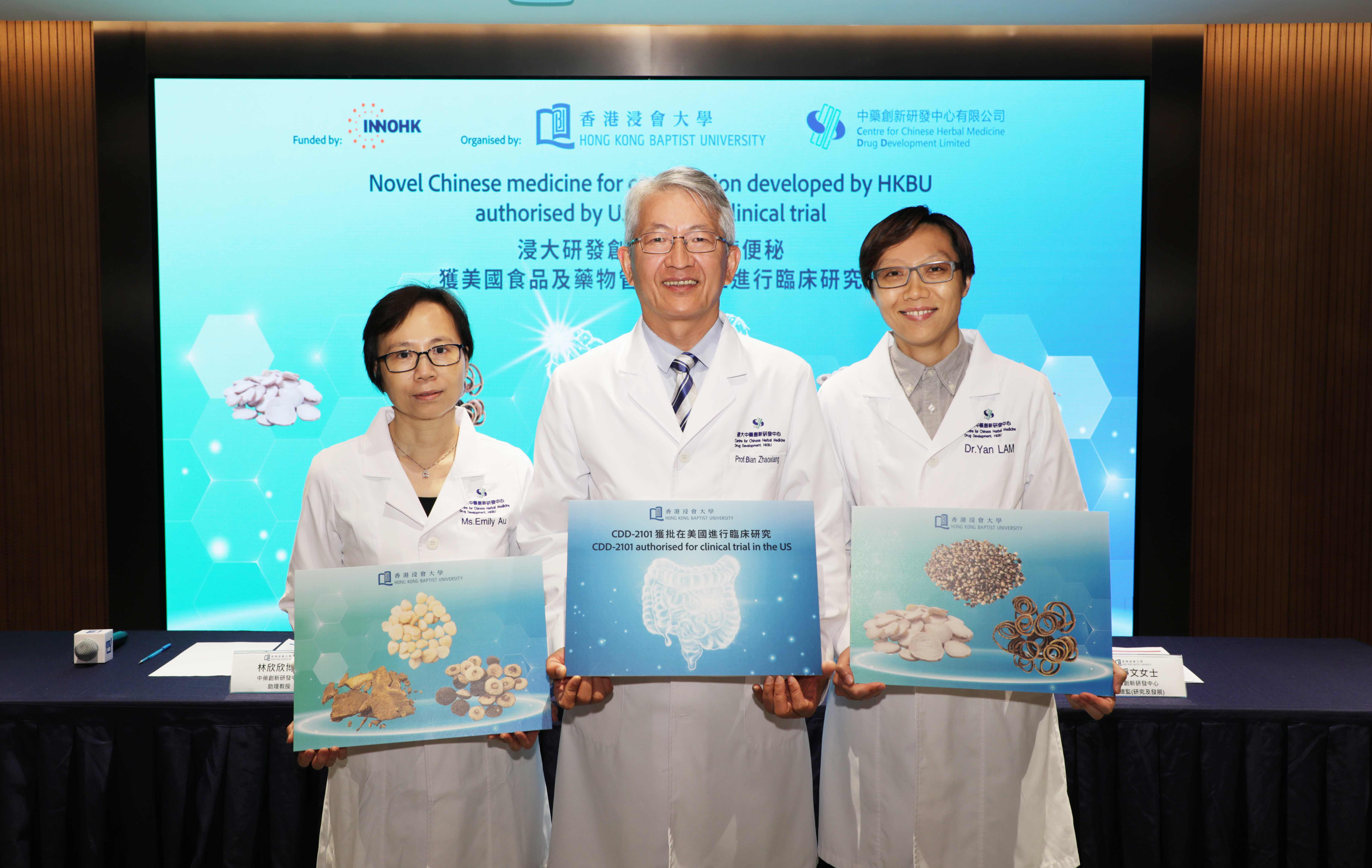
The clinical trial will be launched later this year to evaluate the safety, tolerability, and pharmacokinetics profile of the new drug on healthy individuals.
Research based on traditional Chinese herbal formulation 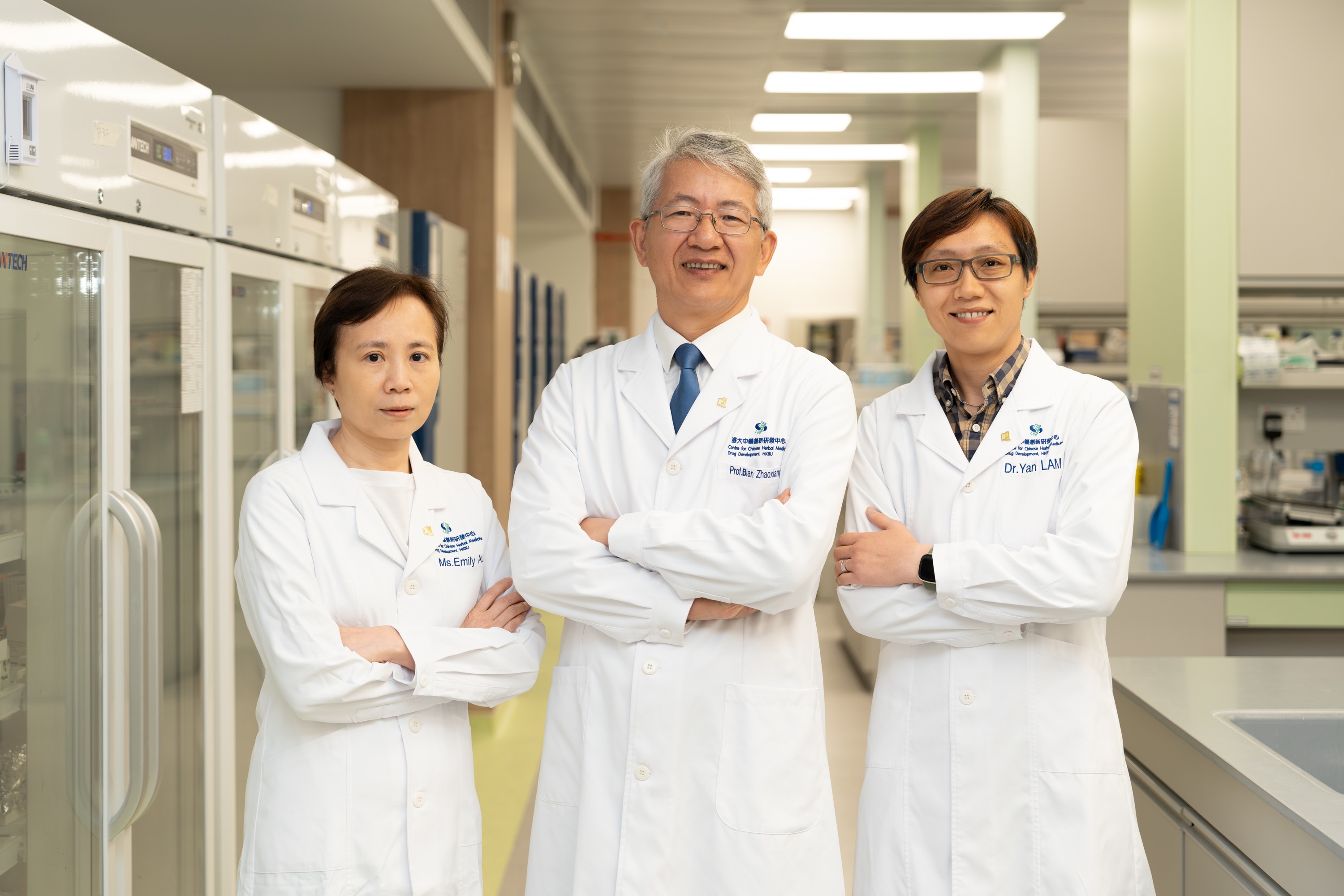
Chronic constipation is a common gastrointestinal disorder affecting approximately 14% of the global population. Currently, many patients with chronic constipation are not completely satisfied with their current treatments due to side effects and/or limited efficacy. In response to the patients' needs for better therapeutics, CDD has been eyeing the international market and has developed a new drug called CDD-2101, which is based on previous pilot clinical studies and basic research on the traditional Chinese herbal formulation "MaZiRenWan".
The main ingredients of CDD-2101 include hemp seed, rhubarb, officinal magnolia bark, bitter apricot seed, bran stir-fried immature orange fruit, and white peony root. The HKBU research team collaborated with partners including the University of Chicago and the University of Macau to submit an Investigational New Drug Application for CDD-2101 according to the requirements for botanical drug development of the U.S. FDA and was authorised to conduct a phase I clinical trial. 
Milestone of standardisation and internationalisation of Chinese medicine
Professor Alexander Wai, President and Vice-Chancellor of HKBU, said: "HKBU is committed to promoting the development of Chinese medicine, and conducting cutting-edge scientific and translational research in this area. The University received funding from the Innovation and Technology Commission's InnoHK initiative to establish the CDD in 2020, which significantly boosted our comprehensive capabilities in the research and development of Chinese medicine. The clinical trial in the US will provide us with invaluable experience in conducting clinical trials at Hong Kong's first Chinese Medicine Hospital in future."
Professor Bian Zhaoxiang, Associate Vice-President (Chinese Medicine Development), Director of the Clinical Division of the School of Chinese Medicine, and Director of the CDD at HKBU, said: "CDD-2101 is a novel drug developed by combining a traditional Chinese herbal formulation and advanced technologies, with research and manufacturing conducted in compliance with international standards. Obtaining U.S. FDA's authorisation to conduct a clinical trial for this new drug is an important milestone in the development of Chinese medicine in Hong Kong, and it reflects HKBU's capabilities in and dedication to promoting the standardisation and internationalisation of Chinese medicine."
Authorisation from the U.S. FDA was secured in April this year to conduct a phase I clinical trial of CDD-2101 in the US. The trial will start later this year and will recruit 20 healthy participants in the US. It will be a randomised, double-blinded, and placebo-controlled study to evaluate the safety, tolerability, and pharmacokinetics profile of the drug. Participants will take a single dose of CDD-2101 or a placebo and be monitored for 24 hours. The study will be conducted at a phase I clinical research centre in the US.
Phase I trial focuses on safety
The phase I clinical trial is expected to be completed in 2024, followed by a phase II study to collect the safety and efficacy data from patients with chronic constipation. A large-scale phase III study will then be launched to further evaluate the treatment efficacy of CDD-2101 in patients with chronic constipation, and monitor any unforeseeable side effects.
Professor Bian said: "The ultimate goal of the drug development programme is to collect sufficient safety and efficacy data, so that CDD-2101 can be evaluated and approved by the U.S. FDA as a new pharmaceutical for sale and marketing in the US. This is essential in establishing CDD-2101 as an internationally recognised, safe and effective drug for the treatment of chronic constipation. It is anticipated that another three to five years are needed to complete the phase II and III clinical trials, after which the data gathered during the animal studies and human clinical trials, together with details of the manufacturing of the drug, will be included in a New Drug Application to be submitted to the U.S. FDA for review."
The CDD, funded by the Innovation and Technology Commission's InnoHK initiative, is the first integrated Chinese medicine research and development centre at a local university. Located in the Hong Kong Science and Technology Parks and equipped with advanced facilities, the CDD aims to gather world-class partners to translate the wisdom of traditional Chinese medicine wisdom into pharmaceutical products that meet international standards. Since its establishment in 2020, the CDD has been focusing on innovative Chinese medicine research for gastrointestinal and immune-related diseases such as chronic constipation and ulcerative colitis.
Hashtag: #HKBU
The issuer is solely responsible for the content of this announcement.