PolyU scholar discovers key mechanism of intraocular pressure regulation suggesting novel treatment approaches for glaucoma
HONG KONG SAR - Media OutReach Newswire - 25 July 2024 - Glaucoma is one of the leading causes of visual impairment and blindness. According to statistics from the Hospital Authority, in Hong Kong, three out of every 100 individuals aged over 40 suffer from glaucoma.
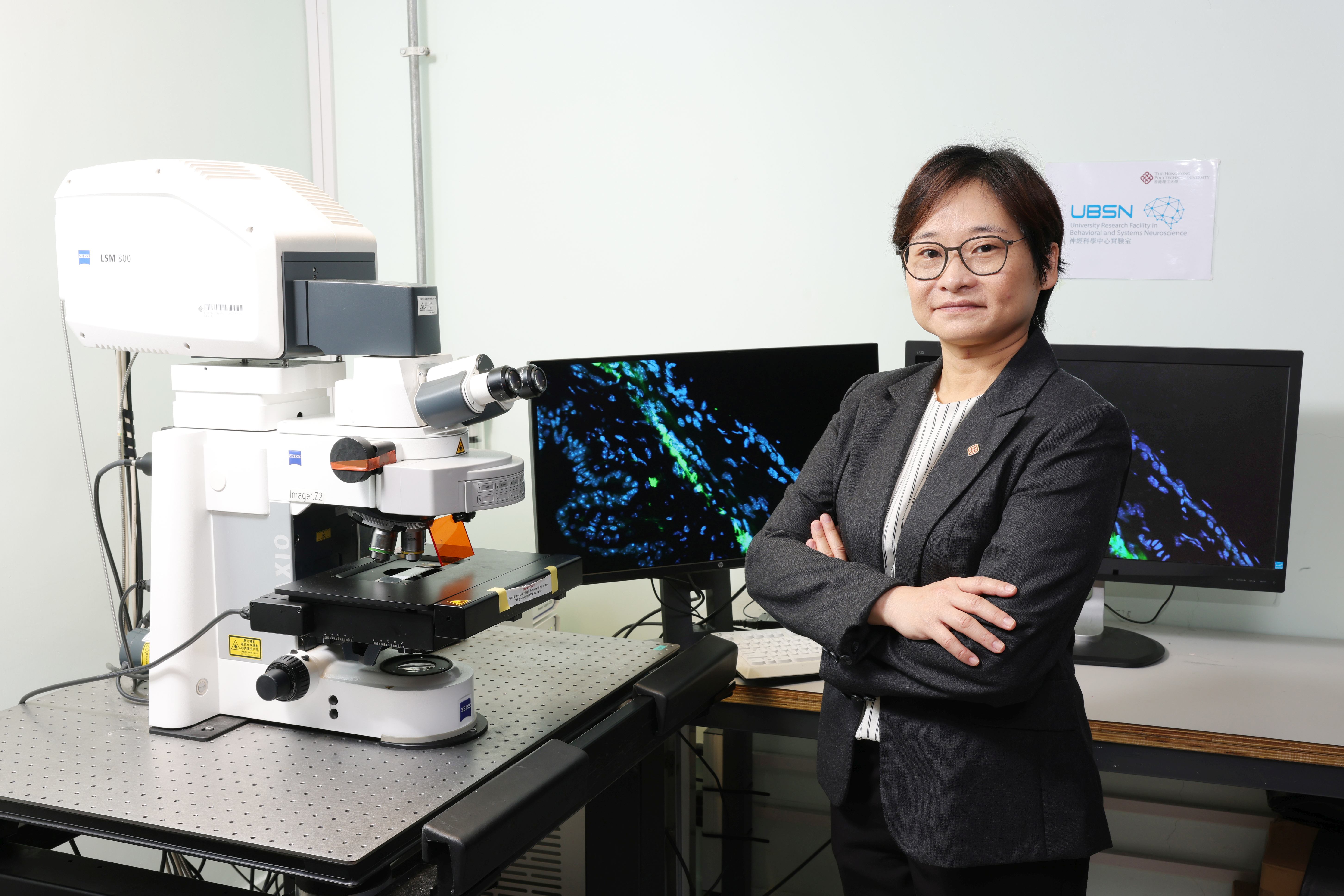
In its early stages, obvious symptoms may not be present and those less obvious are often overlooked. By the time patients notice changes in their vision, the condition is usually severe. Dr Samantha SHAN, Research Assistant Professor of the School of Optometry of The Hong Kong Polytechnic University (PolyU) and her team have discovered the mechanism of intraocular pressure (IOP) regulation, paving the way for novel treatment approaches for glaucoma, with the aspiration of preventing vision loss from this disease.
In glaucoma patients, the fluid within the eye (known as "aqueous humour") continuously flows, resulting in higher IOP for which long-term medication is required. However, current drugs have limitations in that they can only slow disease progression rather than halt it completely. Drugs may also have suboptimal tolerability and their efficacy diminish over time.
The microRNA(miR)-17-92 cluster is known to play an important role in cell signalling, but its specific functions in the eye are not well understood. In this respect, Dr Shan and her team's research focus lies in gaining insights into the mechanisms of miR-17-92 cluster members and their effects on IOP. The team has identified thrombospondin-1 (TSP-1) as a protein that reduces the outflow of aqueous humour and increases IOP. Concurrently, the team mimicked three members of the miR-17-92 cluster in human trabecular meshwork (hTM) cells which are responsible for draining aqueous humour within the eye. It showed that the expression of TSP-1 was repressed, resulting in an approximately 73% increase in the outflow of aqueous humour in mice.
Dr Shan's team has recently been recognised with a prestigious 2024 Shaffer Research Grant from the Glaucoma Research Foundation to further explore the effects of miR-17-92 members in IOP regulation. Looking forward, the team will investigate the direct interaction between specific miRNAs and TSP-1 by blocking the potential target sites of the three miRNAs in TSP-1 in hTM cells. They will also examine the functional consequences of modulating this pathway on aqueous humour outflow and IOP regulation in vivo. This would be achieved by utilising intravitreal injections of a TSP-1 target-specific blocker or miRNA mimics in mouse eyes.
Dr Shan remarked, "Genomic and proteomic approaches play a crucial role in understanding the genetic and molecular mechanisms underlying diseases such as glaucoma. In the context of glaucoma treatment, these approaches can help identify potential biomarkers, therapeutic targets and personalised treatment options, with far-reaching implications. The Grant also demonstrates PolyU's excellence as hosting one of the top eye research centres in the world. It encourages me and my team to continue to make significant strides in glaucoma research and contribute to the better care of glaucoma patients."
With over a decade of experience in molecular research, in her work, Dr Shan has demonstrated proficiency in utilising genomic and proteomic approaches. Her research interests are mechanism of aqueous humour formation, outflow facility and IOP regulation, microRNAs on outflow facility, DNA methylation of potential candidates on outflow facility and IOP regulation.
Dr Shan has also received support from the Hong Kong SAR Government's Health and Medical Research Fund for two projects as a principal investigator. The projects aim to discover gene editing methods for treating glaucoma and unravel the role of epigenetic regulation in glaucoma respectively. Dr Shan has also served as a co-investigator on other diverse research topics and has secured notable research funding, including the Research Grants Council's General Research Fund.
Hashtag: #PolyU
The issuer is solely responsible for the content of this announcement.