The Critical Role of Dollar Movements for Asian Markets: Expert Analysis by Global Broker Octa
KUALA LUMPUR, MALAYSIA - Media OutReach Newswire - 16 October 2024 - The U.S. dollar holds significant sway over global markets, particularly for traders in India and Southeast Asia. This release highlights the critical importance of monitoring the dollar's value and explores how its fluctuations affect currency pairs, commodity prices, and market strategies in the region.
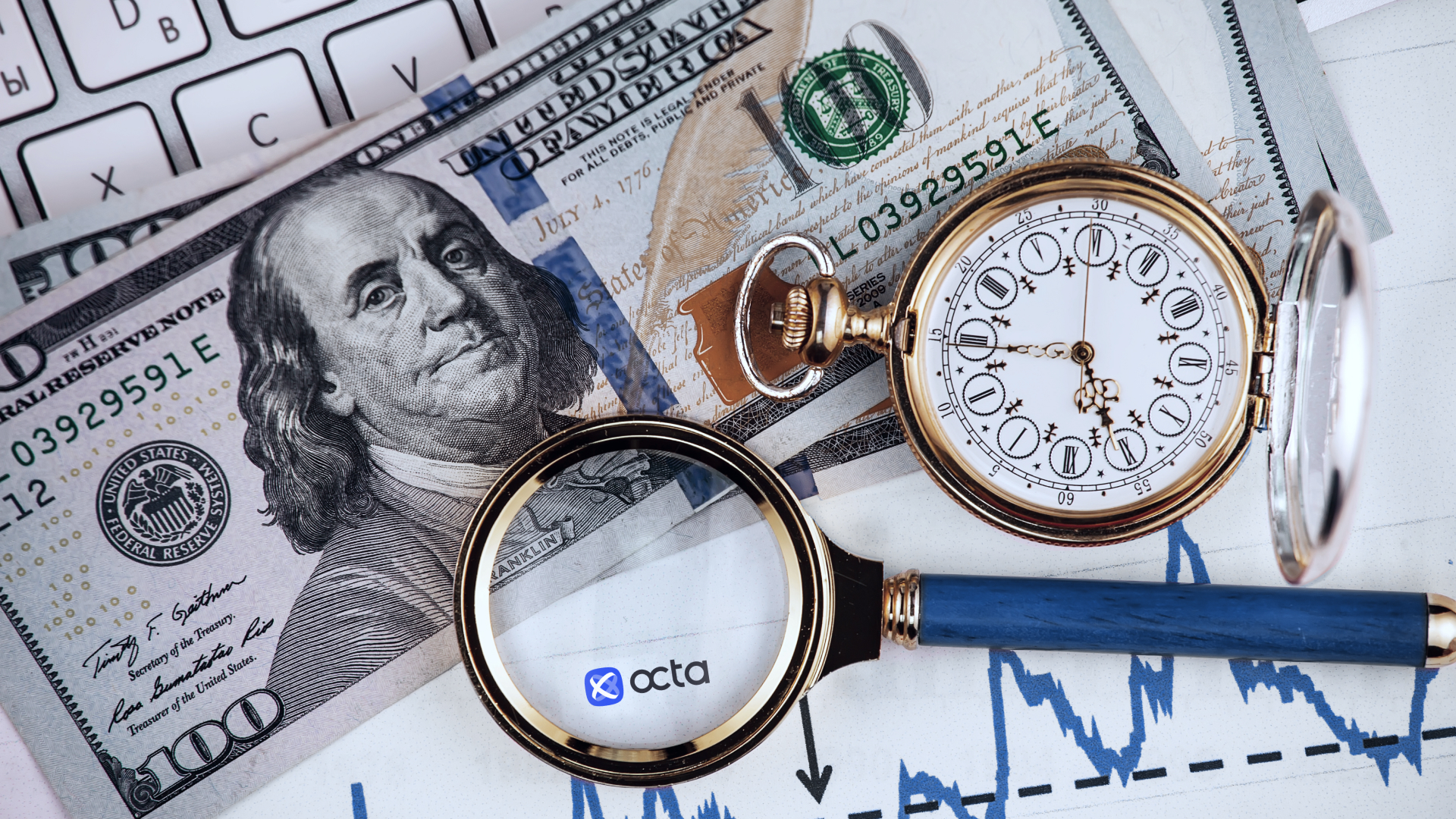
The U.S. dollar's dominance in global trade and finance is unparalleled. Around 88% of all foreign exchange transactions involve the U.S. dollar, solidifying its position as the backbone of international markets. For traders in Asia—especially in India and Southeast Asia—understanding the dollar's movements is not just advisable, it's essential.
Changes in the dollar's value influence everything from commodity prices to interest rates, making it critical for traders to stay informed. The strength of the U.S. dollar can impact the trade balance, foreign reserves, and inflation rates, especially in countries that heavily rely on imports priced in USD, such as India, Indonesia, and Malaysia. With fluctuating dollar values reshaping market dynamics, anticipating these movements can make or break a trader's strategy.
The Global Influence of the U.S. Dollar: Why It Matters
The U.S. dollar is the dominant currency in international trade, accounting for over 40% of global transactions, including key commodities like oil and gold. As of 2023, around 59% of the world's foreign currency reserves were held in U.S. dollars, underlining its unmatched importance.
For traders in Asia, the dollar's status as the reserve currency means any fluctuation can have a ripple effect across multiple markets. When the dollar strengthens against local (Asian) currencies, imports become more expensive, driving inflation. Conversely, when the dollar weakens, local currencies strengthen, potentially hurting export industries, especially for commodity-heavy economies like Indonesia and India.
How Traders in Asia and India Can Benefit
Monitoring the dollar's movements allows traders in India and Southeast Asia to anticipate currency fluctuations better. In 2022, for instance, the Indian rupee hit a historic low against the dollar, exacerbating import costs and putting pressure on the country's foreign reserves. Understanding these dynamics allows traders to hedge risks more effectively and make data-driven decisions when trading currency pairs or commodities.
Dollar Impact on Key Currency Pairs for Asian Traders
Fluctuations in U.S. dollar-based currency pairs significantly impact traders across Southeast Asia. Given the dollar's status as the dominant global currency, its value influences a variety of currency pairs. However, it's not just the dollar that traders need to watch. Other factors, such as regional economic policies, local inflation rates, and trade relationships, also influence currency values.
For instance, the U.S. Federal Reserve's decisions on interest rates have a substantial influence. A hike in interest rates generally strengthens the dollar, causing depreciation in dollar-based currency pairs against other regional currencies, so the exchange rate goes up in the case of direct forex quotes and down in indirect forex quotes (such as AUDUSD and EURUSD). Therefore, Southeast Asian traders should closely monitor these developments to adjust their strategies accordingly. On the other hand, a shift towards a more accommodative monetary stance or rate cuts typically weakens the dollar, creating opportunities for traders to profit from the appreciation of different currencies against it.
One example of the dollar's global influence is the USDJPY pair, which saw significant volatility during the Federal Reserve's rate hikes in 2022–2023. As the dollar strengthened, the Japanese yen weakened, reaching a 24-year low in October 2022. This was primarily due to the divergence between U.S. and Japanese monetary policies, where the U.S. adopted a hawkish stance, raising interest rates, while Japan maintained ultra-low interest rates. As a result, traders who closely followed these developments could capitalise on the widening interest rate differential between the two currencies.
Similarly, in 2022, the U.S. dollar strengthened considerably due to rising U.S. interest rates and global uncertainty, causing the euro to dip below parity for the first time in 20 years. The strengthening of the dollar, driven by inflationary pressures and aggressive Federal Reserve policies, resulted in significant opportunities for traders who tracked these movements closely.
Data from McKinsey’s Southeast Asia Quarterly Economic Review highlights that in the second quarter of 2024, regional economies experienced volatility closely linked to U.S. dollar fluctuations. Specifically, inflationary pressures in the U.S. contributed to currency depreciation in Southeast Asia, particularly affecting nations like Malaysia and Indonesia. Several key indicators, including U.S. interest rates, inflation data, and trade balances, drove this instability. These factors created a dynamic trading environment where Southeast Asian currencies were sensitive to shifts in the dollar's value. By monitoring these economic indicators, such as the Federal Reserve's monetary policy, inflation trends, and key employment data, traders can better anticipate movements in currency pairs and strategically position themselves to capitalise on potential gains or mitigate risks.
Market Examples: How a Strong Dollar Affects Asian Markets
In India, a strong U.S. dollar has historically led to higher import costs, particularly for oil priced in dollars. For example, when the dollar strengthened in 2022, India's crude oil import bill surged, contributing to a record-high trade deficit of $267 billion by the end of the fiscal year. In turn, it pushed inflation upwards and weakened the rupee further, leading to significant market volatility.
The strength of the dollar has also had profound impacts on Southeast Asia. In Indonesia, for instance, a strong dollar makes imports more expensive, which raises inflation and impacts purchasing power. In 2023, Indonesia saw its inflation rise to 6%, partly due to a stronger dollar driving up import costs for energy and food commodities. Monitoring these movements allows traders to capitalise on short-term opportunities in volatile markets.
Kar Yong Ang, a financial market analyst at Octa broker, states: ‘The U.S. dollar's strength often reverberates across Asian markets, affecting everything from local currency valuations to commodity prices. Traders who actively track the dollar's movements can identify opportunities in volatile markets and make more strategic trades.’
Reasons Why Southeast Asian Traders Should Always Track the Dollar
- Global Reserve Currency: The U.S. dollar remains the dominant global reserve currency, with approximately 59% of the world's foreign reserves held in dollars. This means that dollar value changes affect almost every economy globally.
- Key Currency Pair Volatility: In Southeast Asia, key currency pairs involving the U.S. dollar are pivotal in regional trading. The value of these pairs fluctuates based on factors like U.S. economic performance, global commodity prices, and geopolitical developments. For instance, when the dollar strengthens due to positive U.S. economic data, traders can take advantage of opportunities in other currencies by shorting regional pairs to benefit from weakening local currencies.
- Impact on Commodity Prices: Many essential commodities, including oil and gold, are priced in dollars. For traders in export-driven economies like Indonesia, even small movements in the dollar can significantly affect market prices.
- Influence on Interest Rates: Dollar strength often prompts changes in interest rates in countries like India and Malaysia, which directly impacts borrowing costs and economic growth.
For traders in Asia and India, understanding the movements of the U.S. dollar is not just a strategic advantage—it's a necessity. The dollar's fluctuations directly impact currency pairs, commodities like oil and gold, and regional interest rates, creating both risks and opportunities. By integrating dollar-tracking into their trading strategy, traders can gain insights into how these shifts influence their markets, enabling them to make calculated and timely adjustments to their portfolios. In such a dynamic and interconnected financial environment, staying ahead of these changes is crucial for maintaining profitability and leveraging global economic trends to one’s advantage.
Hashtag: #Octa
The issuer is solely responsible for the content of this announcement.
Octa
Octa is an international broker that has been providing online trading services worldwide since 2011. It offers commission-free access to financial markets and various services used by clients from 180 countries who have opened more than 52 million trading accounts. To help its clients reach their investment goals, Octa offers free educational webinars, articles, and analytical tools.
The company is involved in a comprehensive network of charitable and humanitarian initiatives, including the improvement of educational infrastructure and short-notice relief projects supporting local communities.
In the APAC region, Octa received the ‘Best Trading Platform Malaysia 2024’ and the ‘Most Reliable Broker Asia 2023’ awards from Brands and Business Magazine and International Global Forex Awards, respectively.