Vehicle Emissions Star Rating using public data to inform consumer purchasing decisions
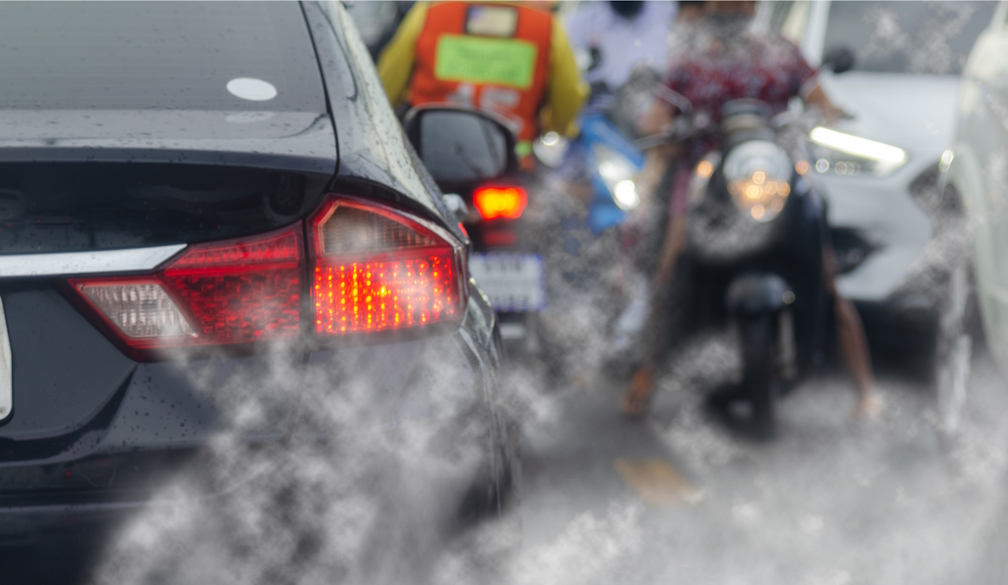
Global open data company Link Digital has used open source technology to develop a new Vehicle Emissions Star Rating (VESR) website for the New South Wales Government to help drivers consider the efficiency and environmental impact of their next vehicle purchase and reimagine a better future.
The VESR website allows users to evaluate the carbon dioxide emissions of new and used cars, Utes and vans dating back to 2004, and compare more than 16,000 distinct models with its straightforward six-star grading system. The more stars a vehicle has, the lower its emissions and the more environmentally friendly it is; electric vehicles are the cleanest light vehicles, earning a six-star rating because they emit no tailpipe emissions.
“The VESR website is a great example of a public program delivering public data in a manner that meets the needs of public interest,” said Link Digital’s Chair and Executive Director, Steven De Costa.
Link Digital uses open data to create open-source solutions that solve real-world problems and deliver meaningful change. To create the VESR online tool, Link Digital collected data on CO2 emissions based on a standard test that measures the amount of CO2 released per kilometre driven, as reported by all car manufacturers to the Australian Government’s Green Vehicle Guide, and connected it with data from a vehicle identification and specification site known as GLASS. Drupal, a free open-source content management system, was used to design the distribution of data in an intuitive, visually appealing format.
As well as calculating CO2 emissions from vehicle tailpipes, the VESR website enables consumers to calculate the annual running cost of both petrol and electric vehicles, based on fuel price, model and annual travel distance. It also provides useful information for drivers of electric vehicles, such as locations of battery charging infrastructure and battery recycling.
“Consumers have already been using comparison sites when considering the purchase of products and services such as whitegoods, energy and motor insurance,” explained Mr De Costa. “Now consumers can consider CO2 emissions and efficiency in terms of running costs in their car-purchase considerations, thanks to a simple, visual format that will help them make informed choices.”
“The VESR system is an example of data being used to deliver meaningful insights and tangible results to reduce carbon dioxide emissions,” added De Costa. “We designed the VESR website to make sense of complex data sets so consumers can extract usable information. We are thrilled to have played a role as its developer, helping to empower consumers to make an informed purchasing decision when it comes to consumers’ biggest financial outlay, behind the family home – their vehicle.”
The Vehicle Emissions Star Rating (VESR) website was initiated and administered by the NSW Department of Climate Change, Energy, Environment and Water, with the website endorsed by the Commonwealth and all Australian state and territory governments.
Discover your car’s Vehicle Emissions Star Rating at www.vesr.gov.au