The Decline of Hyper-Casual: How Mid-Core Mobile Games Took Over in 2025
- Written by: The Times
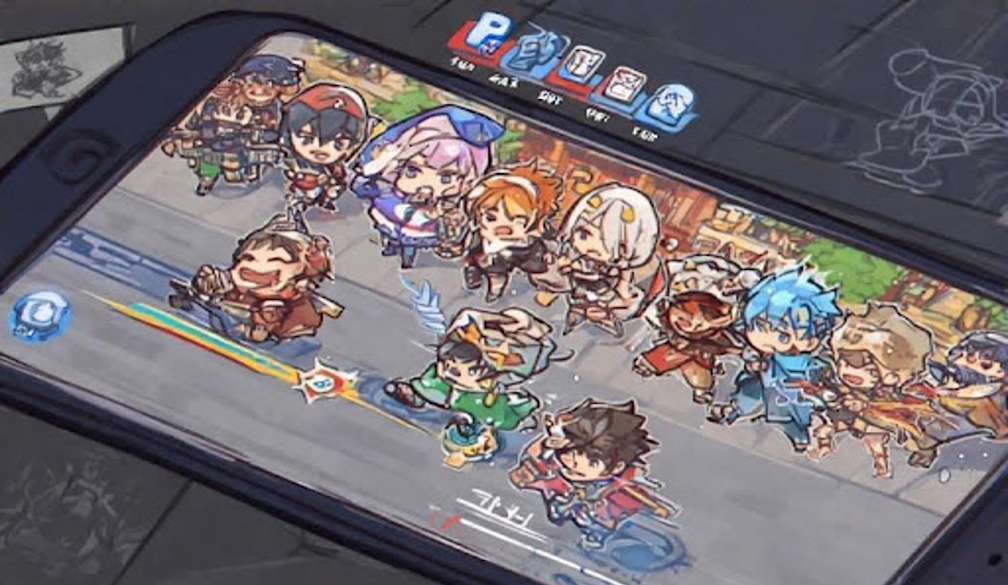
In recent years, the mobile gaming landscape has undergone a significant transformation, with mid-core mobile games emerging as the dominant force in app stores by 2025. This shift is underpinned by changing user habits and evolving monetization trends, which have rendered hyper-casual games less appealing to a growing segment of gamers. In this article, we delve into the dynamics of this transition, exploring how mid-core games have captivated players' attention and redefined the mobile gaming market.
Understanding the Shift to Mid-Core Mobile Games
Mid-core mobile games, characterized by their complexity and depth, occupy a niche between the casual simplicity of hyper-casual games and the intense, immersive experiences of hardcore games. They offer a more engaging experience by incorporating intricate storylines, strategic gameplay, and sophisticated mechanics that appeal to a broader audience.
The Rise of Complexity in Mobile Game Genres
The mobile gaming industry has witnessed a paradigm shift, with players increasingly gravitating towards games that challenge their cognitive abilities and strategic thinking. This trend is particularly evident in the rise of genres such as real-time strategy (RTS), multiplayer online battle arenas (MOBAs), and role-playing games (RPGs) on mobile platforms. These genres, traditionally associated with console and PC gaming, have been adapted to mobile devices, offering a depth of gameplay that hyper-casual games cannot match.
The complexity in mobile game genres is not just about difficulty. It's about the layers of strategy and decision-making that engage players over time. Unlike hyper-casual games that deliver instant gratification, mid-core games require players to invest time and thought, ultimately rewarding them with a sense of achievement. This complexity is a driving force behind the shift towards mid-core gaming, as players seek more than just a fleeting distraction.
Moreover, the technological advancements in mobile devices have facilitated this transition. With more powerful processors and enhanced graphics capabilities, mobile platforms can now support games with intricate mechanics and detailed graphics. This has allowed mobile game developer to create mobile experiences that rival those found on traditional gaming platforms, further enticing players to explore the mid-core genre.
Expanding Audience Demographics
Mid-core games have broadened the demographic reach of mobile gaming. They attract not only traditional gamers but also those who have outgrown the simplicity of hyper-casual games. The appeal lies in their ability to offer a satisfying gaming experience without demanding the time commitment often associated with hardcore games. This balance of engagement and accessibility has opened up the market to a diverse audience, including older gamers and those with busy lifestyles who still crave depth in their gaming experiences.
Furthermore, mid-core games often incorporate social elements that resonate with a wide range of players. Features such as multiplayer modes and community interactions appeal to both competitive and cooperative players, creating a dynamic gaming environment. This inclusive approach has been instrumental in drawing a varied audience, contributing to the genre's growing popularity.
Evolution of Game Design and Mechanics
The design and mechanics of mid-core games have evolved significantly, reflecting the changing expectations of players. Game developers have embraced innovative gameplay mechanics that offer both challenge and reward. These games often blend elements from different genres, creating unique experiences that stand out in the crowded mobile market. This fusion of mechanics keeps the gameplay fresh and engaging, encouraging players to return and explore further.
Additionally, narrative integration has become a cornerstone of mid-core game design. Developers are crafting intricate storylines that unfold as players progress, adding an element of storytelling that enhances the overall gaming experience. This narrative depth not only captivates players but also provides a sense of continuity and purpose, making each gaming session more meaningful.
For those looking to combine digital and physical skill challenges, incorporating a Target Tor Dartboard into the gaming space can offer a fun, interactive complement—allowing players to practice precision and focus in between gaming sessions while maintaining engagement with skill-based challenges.
Changing User Habits and Preferences
Several factors contribute to the increasing popularity of mid-core games. Players today seek more than just quick entertainment; they desire meaningful engagement and a sense of accomplishment. The modern gamer is not content with mere time-killers but looks for games that offer progression, competition, and community interaction. This shift in user habits reflects a broader trend toward more immersive and rewarding gaming experiences.
The Desire for Meaningful Engagement
Modern gamers are increasingly drawn to experiences that offer a sense of purpose and achievement. Unlike hyper-casual games, which often emphasize simplicity and ease of play, mid-core games challenge players with strategic depth and long-term goals. This pursuit of meaningful engagement has reshaped player expectations, driving demand for games that require thoughtful decision-making and skill development.
Furthermore, the desire for meaningful engagement extends beyond gameplay mechanics. Players are looking for narratives that resonate with them, stories that they can invest in emotionally. This has led to a rise in games that offer complex characters and storylines, encouraging players to form connections and engage with the content on a deeper level.
Progression and Achievement Systems
One of the key elements that set mid-core games apart is their robust progression and achievement systems. These systems provide players with clear goals and rewards, motivating them to continue playing and improving. Whether it's leveling up characters, unlocking new abilities, or completing challenging quests, the sense of progression keeps players invested in the game over time.
These systems are often complemented by leaderboards and competitive features that allow players to measure their progress against others. This competitive aspect adds another layer of motivation, as players strive to climb the ranks and earn recognition within the gaming community. The combination of personal achievement and social competition creates a compelling gameplay loop that keeps players engaged.
Community and Social Interaction
The social dimension of gaming has become increasingly important, with players seeking opportunities for interaction and collaboration. Mid-core games excel in this regard, offering features such as multiplayer modes, guilds, and clans that foster a sense of community. These social interactions enhance the gaming experience, providing players with a platform to connect, compete, and collaborate with others.
Moreover, the rise of social media and online forums has amplified the social aspect of gaming. Players can share their experiences, strategies, and achievements with a global audience, creating a sense of camaraderie and shared enthusiasm. This community-driven approach has become a hallmark of mid-core games, contributing to their widespread appeal and longevity.
Monetization Trends in the Mobile Gaming Market
The monetization strategies employed by mid-core games further distinguish them from their hyper-casual counterparts. While hyper-casual games primarily rely on ad-based revenue models, mid-core games have successfully implemented a combination of in-app purchases and subscription-based models.
In-App Purchases and Microtransactions
Mid-core games are particularly adept at integrating in-app purchases and microtransactions into their gameplay. These games often feature virtual economies, where players can purchase in-game currency, items, or cosmetic upgrades. This model not only enhances the gaming experience by allowing for customization and progression but also generates substantial revenue for developers.
The integration of microtransactions is carefully designed to enhance, rather than disrupt, the player experience. Developers are increasingly focusing on offering value through these transactions, ensuring that players feel their purchases contribute meaningfully to their gameplay. This approach has proven successful, as players are more willing to spend on items that provide tangible benefits or enhance their enjoyment of the game.
Moreover, the transparency and fairness of microtransactions have become critical factors in their acceptance. Players appreciate when developers are upfront about the costs and benefits of in-game purchases, fostering trust and encouraging continued spending. This focus on ethical monetization has helped mid-core games maintain a positive reputation among players.
Subscription-Based Models
Subscription-based models have also gained traction in the mid-core gaming sector. These models offer players exclusive content, ad-free experiences, and other perks in exchange for a recurring fee. This approach not only provides a steady revenue stream for developers but also fosters player loyalty by offering continuous value.
Subscriptions allow developers to create a sustainable business model that supports ongoing content updates and improvements. By providing subscribers with regular content drops, exclusive items, and early access to new features, developers can keep players engaged and invested in the game. This ongoing value proposition encourages players to maintain their subscriptions, ensuring a stable revenue flow.
Additionally, subscription models align with the growing trend of subscription-based services across various industries. Players are becoming more accustomed to this model, finding value in the predictable cost and the continuous stream of new content. As a result, subscription-based monetization has become an appealing option for both developers and players in the mid-core gaming space.
Balancing Monetization and Player Experience
A critical aspect of monetization in mid-core games is finding the right balance between revenue generation and player experience. Mobile game development companies must ensure that monetization strategies do not detract from the enjoyment or fairness of the game. This requires careful consideration of pricing, content availability, and player feedback.
Successful mid-core games prioritize player satisfaction and retention over short-term profits. By focusing on delivering value and enhancing the player experience, developers can build long-term relationships with their audience. This approach not only benefits players but also leads to sustainable revenue growth as satisfied players are more likely to make purchases and recommend the game to others.
The Impact of Mid-Core Games on the Gaming Community
The rise of mid-core games has had a profound impact on the gaming community, fostering deeper engagement and interaction among players. These games often include social features, such as guilds, clans, and multiplayer modes, which encourage collaboration and competition. As a result, mid-core games have become a hub for community-building and social interaction within the mobile gaming ecosystem.
Engaging Storylines and Narrative Depth
One of the defining characteristics of mid-core games is their emphasis on storytelling and narrative depth. Unlike hyper-casual games, which prioritize simplicity and immediacy, mid-core games invest in rich, engaging storylines that captivate players and encourage long-term engagement. This focus on narrative not only enhances the player experience but also creates opportunities for meaningful discussion and debate within the gaming community.
Narrative depth allows players to become emotionally invested in the characters and plotlines, fostering a sense of connection and immersion. This emotional engagement encourages players to explore the game's world, uncover its secrets, and share their experiences with others. The storytelling aspect becomes a driving force for community interaction, as players discuss plot twists, speculate about future developments, and create fan content.
Moreover, the narrative elements of mid-core games often extend beyond the game itself. Developers are increasingly creating transmedia experiences, such as web series, novels, and comics, that expand the game's universe and enrich the overall experience. This multi-platform storytelling approach not only enhances player engagement but also attracts new audiences to the game.
Fostering Competitive Play and eSports
The competitive nature of mid-core games has also contributed to their popularity. Many of these games feature ranked modes, leaderboards, and tournaments that encourage competitive play and skill development. As a result, mid-core games have become a breeding ground for eSports, with players competing at the highest levels for recognition and rewards.
eSports has transformed the gaming landscape, turning skilled players into professional athletes and gaming into a spectator sport. Mid-core games, with their strategic depth and competitive features, are well-suited for eSports, providing a platform for players to showcase their skills and compete for prizes. This competitive ecosystem has attracted a dedicated fan base, further fueling the growth of mid-core games.
Additionally, the rise of streaming platforms and online communities has amplified the reach of eSports, bringing mid-core games to a global audience. Players can now watch live tournaments, learn from top competitors, and participate in community events, enhancing their engagement with the game. This dynamic interaction between players and spectators has solidified mid-core games' place in the eSports arena.
Building Inclusive and Supportive Communities
Mid-core games have become a catalyst for building inclusive and supportive communities within the gaming ecosystem. These games often emphasize teamwork and collaboration, encouraging players to work together to achieve common goals. This cooperative gameplay fosters a sense of camaraderie and mutual support, creating a positive and welcoming environment for players of all backgrounds.
In addition to in-game interactions, mid-core game communities extend to online forums, social media groups, and fan sites. These platforms provide spaces for players to connect, share tips, and discuss their experiences. The sense of belonging and shared enthusiasm within these communities contributes to the overall enjoyment of the game, encouraging players to remain active and engaged.
Conclusion: The Future of Mobile Gaming
The dominance of mid-core mobile games in app stores by 2025 is a testament to the evolving preferences of gamers and the adaptability of game developers. As players continue to seek more engaging and rewarding experiences, mid-core games are poised to shape the future of mobile gaming. By offering complexity, depth, and meaningful interaction, these games have redefined what it means to be a mobile gamer, paving the way for a new era of gaming innovation.
In conclusion, the shift from hyper-casual to mid-core mobile games underscores the dynamic nature of the gaming industry. As developers continue to push the boundaries of what is possible on mobile platforms, we can expect even greater advancements in game design, storytelling, and monetization. For game developers, journalists, and content strategists alike, understanding these trends is essential for staying ahead in this rapidly evolving market.
As we look to the future, it is clear that mid-core games will continue to drive innovation and growth within the mobile gaming industry. By embracing complexity and depth, developers can create games that captivate players and foster long-term engagement. This focus on quality and player experience will not only ensure the success of mid-core games but also set new standards for the mobile gaming industry as a whole.
Ultimately, the rise of mid-core games reflects a broader cultural shift towards more meaningful and immersive digital experiences. As players demand more from their gaming experiences, developers are rising to the challenge, creating games that entertain, challenge, and inspire. This evolution in gaming is just the beginning, and the future holds exciting possibilities for both players and developers alike.