Times Media Advertising

The Times Australia
The Times Magazine

.

Newbies Basic Guides for Watercolour Paintings
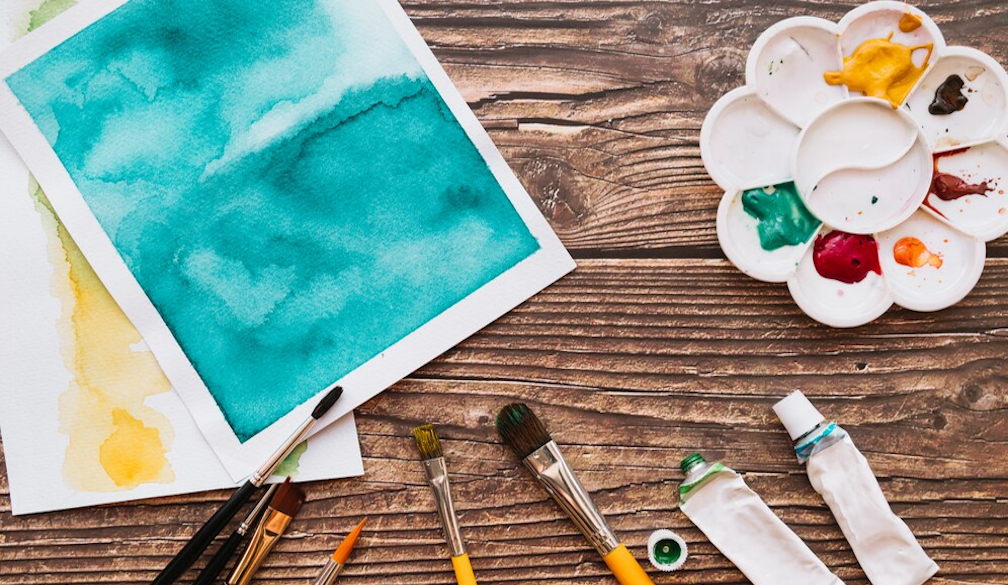

Watercolour painting is a lovely and enjoyable activity that allows you to express yourself creatively. It is a beautiful and fun way to create art. If you're looking for a new hobby or want to improve your artistic abilities, watercolour painting is the best place to start. Don’t worry if it is your first time dealing with watercolour painting, as we will walk you through the basic steps to help you get started.   

1. Before starting your first watercolour painting, prepare your workspace and gather some basic materials for your needs, such as: 

  • Watercolour Paper: Look for watercolour paper that is thick enough to tolerate the water without warping or buckling. The ideal option for beginners is cold-press paper since it has a slightly textured surface that's easy to work with. 
  • Watercolour Paints: Start with a simple set of 12 colors. 
  • Brushes: Get a small round brush, a medium round brush, and a flat brush. Round brushes are versatile and great for beginners. Experiment with different sizes to see which ones you're most comfortable with. 
  • Palette: Use a palette or a white ceramic plate for mixing your colors. 
  • Water Containers: Two containers—one for clean water and one for rinsing brushes. 
  • Pencil and Eraser: These help you sketch your design on paper before you start with your masterpiece
  • Paper Towels or Cloth: For cleaning and drying brushes.  

2. Learn the basic techniques on how to control the water-to-paint ratio. Too much water can lead to washed-out, uneven colors, while too little can result in stiff, unnatural brushstrokes. Discover the best mix for your painting style by trying out these different techniques.   
  • Wet-on-Wet: Wet your paper with clean water before adding paint. This creates soft, blended colors. 
  • Wet-on-Dry: Apply wet paint to dry paper for sharper lines and more control. 
  • Graded Wash: Start by using dark colors, then slowly add water until you get the gradient effect you desire.
  • Dry Brush: Using a brush with very little water to create rough textured strokes, it is often used for details like grass or hair.  
3. Once you've learned the basic techniques, it's time to have fun with color mixing and see what new shades you can produce.  
  • Start with primary colors (red, blue, and yellow) to mix with other colors. and practice mixing them to create secondary colors (orange, green, purple). 
  • Use your palette to mix colors in varying proportions to achieve different shades and tones. Learn how colors relate to each other.  
  • Do some experiments like mixing different colors to see what new shades you can make.  
4. Once you’ve done color mixing, work on your brush strokes to become more comfortable while using it. Start with Lines and Strokes, make thin and thick lines, dots, and dashes and try different ways to create patterns and textures, like using a dry brush. 

5. Start your first art by choosing a simple subject, something as easy as a flower or tree. Lightly sketch your chosen subject with a pencil on the paper. Apply light washes for the background and large areas. Allow your painting to dry completely before adding additional layers or details. 

6. And for the final step; when painting with watercolours, remember to be patient, as it takes time for the paint to dry, especially for layers. Play around and enjoy yourself, and don't be afraid to try new ways of painting. If ever you've made a mistake, don't you ever quit as it is part of learning, as they say, quitters never win.  Keep practicing as it is the key to making you better. And watch some YouTube tutorials for you to gain more ideas and knowledge on this field of art. 

Now that you've learned the basics steps, try to apply it and let your watercolour painting journey begin. So what are you waiting for, grab your brush, get your shining shimmering watercolour paints, and start to paint your first masterpiece.


Times Magazine

Cartier: Discover the Collection That Became a Global Symbol of Luxury

Few luxury brands carry the same instant recognition as Cartier. The name itself evokes images of...

Cheap Wine in Australia: The Golden Age of Affordable Drinking

Australia has long enjoyed a reputation as one of the world’s great wine-producing nations, but fo...

Federal Budget and Motoring: Luxury Car Tax, Fuel Excise and the Cost of Driving in Australia

For millions of Australians, the Federal Budget is not an abstract economic document discussed onl...

Buying a New Car: Insider Tips

Buying a new car is one of the largest purchases many Australians make outside buying a home. Yet ...

Hybrid Vehicles: What Is a Hybrid, an EV and a Plug-In Hybrid?

Australia’s car market is changing faster than at any point since the decline of the local Holden ...

Chinese Cars: If You Are Not Willing to Risk Buying One, What Are the Current Affordable Petrol Alternatives

For years Australian motorists shopping for an affordable new car generally looked toward familiar...

The Times Features

Day Spa Culture in Australia: What to Look For Before B…

The modern day spa is no longer viewed as an occasional luxury reserved for celebrities, honeymoon...

The Rocks and Circular Quay: Ten Restaurants

Restaurants That Showcase Sydney Dining at Its Best Sydney’s dining scene has always benefited from...

Australian Fashion Week: Local Style Takes Centre Stage

Australian fashion is once again stepping onto the global stage as Australian Fashion Week draws d...

Selling a House in Sydney: Did the Budget Make It More …

For many Australians, selling a home should be one of life’s simpler financial transactions. Find...

Cheap Wine in Australia: The Golden Age of Affordable D…

Australia has long enjoyed a reputation as one of the world’s great wine-producing nations, but fo...

Korean Food and Longevity

South Korean Food and Longevity: Why the World Is Suddenly Paying Attention For years, people aro...

Pretty Woman: The Movie That Keeps On Giving

Some films entertain audiences for a few months and quietly fade into cinematic history. Others be...

The Departure Tax Rise: Travellers Pay — But So Does Au…

Australians booking overseas holidays are becoming increasingly familiar with a harsh reality of m...

Budget Shockwaves: What the Federal Budget Means for Au…

Australia’s property market does not operate in isolation. Every federal budget sends signals to b...