September Sunset Polo
- Written by: The Times
International Polo Tour To Bridge Historic Sport, Life-Changing Philanthropy, and Breath-Taking Beauty
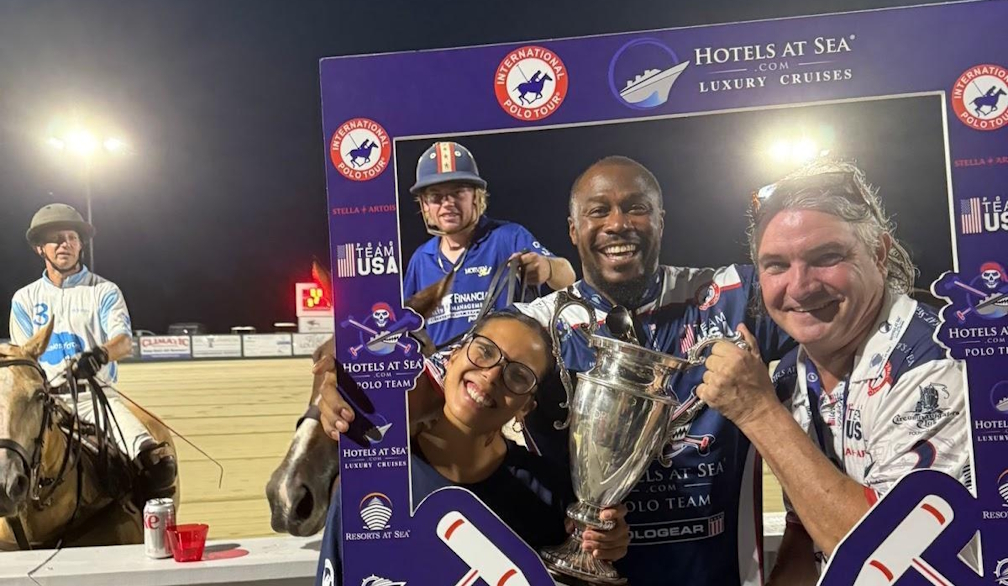
On Saturday, September 6th, history will be made as the International Polo Tour (IPT), a sports leader headquartered here in South Florida, takes the stage during the annual Sunset Polo USA vs. South Africa match and Rockin The Runway™ Fashion Show in support of 501(c)3 charitable organization We Will Survive Cancer (WWSC).
Set at the famed Twilight Polo® Stadium, this year’s Sunset Polo will honor 11 years of the IPT’s partnership with WWSC, a relationship built upon the mutual goal of emotionally and financially supporting those struggling to overcome cancer diagnoses. Encompassing three high-energy matches, the evening will welcome sports world superstars Josh Norman and Tim Johnson of the NFL for the Celebrity All Star Polo Match, followed by the key game between the USA and South Africa, before finishing with the first-ever International Polo Tour Crypto Cup enhanced by Web3 and digital asset platform FAIM.WORLD.
“This year’s Sunset Polo will be our most exciting yet, and I truly can’t express how grateful I am for all who’ve made this evening possible,” said Tareq Salahi, Chairman of the IPT Association, Team Captain, & NBC/Bravo Alumni star from the Real Housewives franchise. “Not only are we bringing our A-game to the field, but we’re coming together as a community to support an amazing group improving the lives of those in need and their families. I look forward to seeing our loyal fans next week as we give it our all!”
Following the night’s matches, Celebrity Fashion Designer Miguel Wilson will be taking the reins, bringing his years of industry expertise to the forefront while showcasing the show-stopping beauty of icons hailing from DC International Models, including Lupita Anez (Mrs. Hispanoamérica International 2025) and Dilenny Lora-Comprés (Sra. Joven Hispanoamérica USA 2025). The stars will be wearing designer Marian Style clothing by María Torrez with glamorous accessories provided by sustainable fashion leader Josie’s Nifty Thrifty.
Additionally, this year’s Sunset Polo festivities will include an exclusive raffle for attendees, with proceeds going directly to WWSC’s mission. Guests will also have the chance to pick up speciality gift bags containing an array of luxurious products and samples, including from event sponsors Uppy!, pampeano, Katia Designs, Stick & Ball, Stack by Phi Health, Marquee Design Studio, and Joe Jurgielewicz & Son, Ltd.
Technologically-savvy fans will also have an extra way to immortalize the evening courtesy of FAIM.WORLD, who will be providing customized, exclusive artwork of both IPT and the South African team designed by renowned designer/company CCO Ron Burkhardt and NFT illustrator Clark Mitchell. FAIM.WORLD will also hold selfie signings and one-on-one meetings with players for fans and create a special app website for purchasing products.
The IPT extends its heartfelt thanks to all of our supporters who helped make this year’s Sunset Polo possible including Douglas Elliman, Old Town Crier, Stella Artois, Michelob Ultra, Nutrl Vodka Seltzer, Four Seasons, Coca-Cola, Hotels at Sea® Luxury Cruises, Resorts at Sea®, Hostage Aid Worldwide, Freedom Polo Farm, TJB SuperYachts, Makani, Out East Eyewear, TransMedia Group Sports PR, Sideline Surgeons, Equine Sports Marketing.com, Tareq Salahi Bespoke Events, Arctic Wolf, Photozyme MD, Maxiom Tech, Hyperlogs, Piedmont Polo, SG H2 Energy, Optica Labs, Head Impact Prevention, Miguel Wilson Collection, Marian Style, María Torrez, Josie’s Nifty Thrifty, DC
International Models, Valdez Management, Capital Sculpture Garden & Winery, Twilight Polo Club®, Oui Producciones, Celebration Winery, Oasis Winery®, I Food , Salty Bottom Blue, & CHEF DMV.
International Models, Valdez Management, Capital Sculpture Garden & Winery, Twilight Polo Club®, Oui Producciones, Celebration Winery, Oasis Winery®, I
Food , Salty Bottom Blue, & CHEF DMV. We’d like to extend our appreciation to gift bag and raffle contributors:
“Stick & Ball is honored to support the Celebrity Sunset Polo Fall Ball and its mission to fight cancer and uplift survivors with We Will Survive Cancer. This cause deeply resonates with us- like so many, we’ve been personally touched by cancer on our team and with friends and family. Supporting this event is our way of standing with the community and, through our favorite sport of polo, championing hope, healing and resilience.”
-
Elizabeth Goodwin Welborn, Owner, Stick & Ball
“pampeano was born from a love of polo, with deep roots in the sport’s tradition, couture, and the vibrant spirit of community. Supporting the International Polo Tour and We Will Survive Cancer is a natural extension of who we are, that is, celebrating heritage while giving back. I am honoured to be a part of an event that so thoughtfully unites the worlds of sport, style, and compassion.”
-
Jennifer Brown, Founder, pampeano
“Partnering with the International Polo Tour for Sunset Polo is a privilege, especially in support of We Will Survive Cancer. By donating Uppy! Electrolyte Hydration Drink Mix, we hope to bring not only hydration but also a boost of energy and hope to those who need it most. Hydration is wellness, and wellness empowers us all."
-
Nita Talwar, Founder & CEO of Uppy!
“Maps By Marquee is the first & only place to get fully custom, hand drawn mosaic maps. Born out of the desire to find meaningful artwork that looked more visually abstract, these designs offer maps as a fun & colorful way to remember your favorite locations beautifully. Add a locator "thumbtack" to your map as well, to highlight that special place even further.”
-
Marti Lang, Artist & Creative Director, Marquee Design Studio
“We created this brand to help women connect with their inner truth, strength, and intuition. Our Wild & Free Horse Original Lite Necklace is one of our designs that empowers, inspires, and connects women around the world.”
-
Katia Rudnick, CEO & Founder, Katia Designs
"We're honored to support Sunset Polo, the International Polo Tour, and We Will Survive Cancer for this incredible event. Our all-natural Duck Sticks are an ideal way for everyone, from the players to the fans, to keep their energy up and enjoy every moment of the day."
-
Joey Jurgielewicz III, director of business development for Joe Jurgielewicz & Son, Ltd.
“Stack was designed to empower peak performance, and what better place to showcase that than at a world-class polo event. We're proud to gift Stack to this year’s Celebrity Sunset Polo Fall Ball attendees, supporting their energy, focus, and longevity both on and off the field.”
-
Kirk Ouimet, Phi Health CEO and Founder