Micke Lindebergh will be put on display across Mirvac’s retail centres
- Written by: The Times
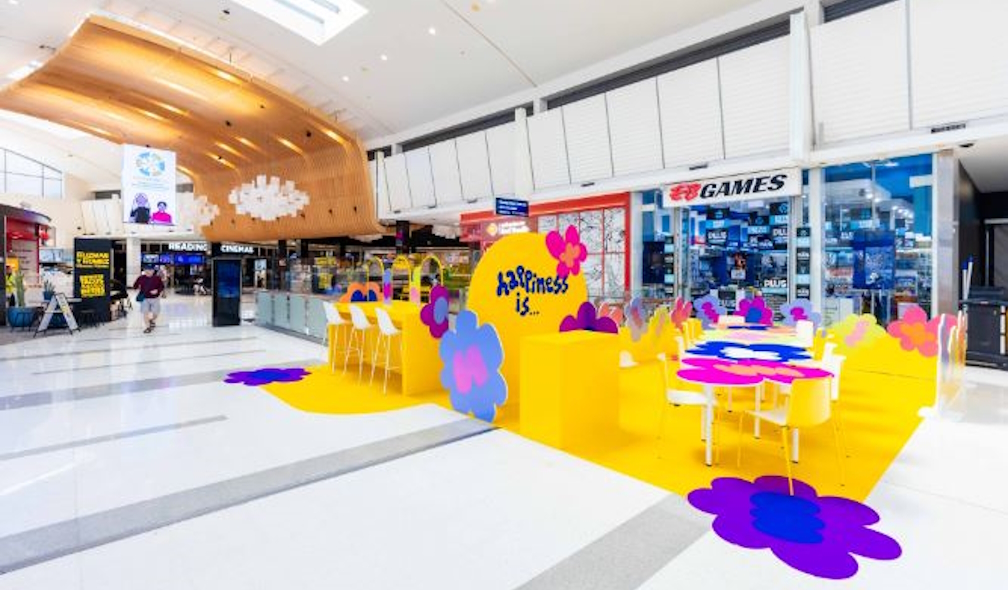
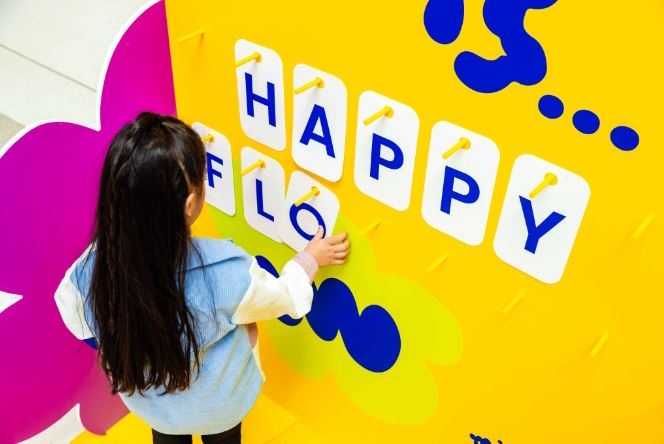
Shoppers at Mirvac retail centres are in for an exciting experience this spring, as vibrant and larger than-life artworks by the renowned artist Micke Lindebergh will be put on display across Mirvac’s retail centres.
The display of Lindebergh’s artwork, which is famous for bright colours and bold patterns, is to mark the start of Mirvac’s new Spring campaign, bringing joy and happiness to our customers while offering them the opportunity to win some amazing prizes and participate in fun workshops.
Mirvac’s General Manager - Retail, Alison Flemming said each centre is thrilled to welcome Lindebergh’s artwork and rollout a great selection of initiatives to help customers embrace the Spring season.
“For our retail spaces to showcase this iconic artist, who has had his pieces displayed in renowned exhibition spaces such as the Sydney Opera House and the Powerhouse Museum, is really exciting,” said Ms Flemming.
“Lindebergh’s vibrant and larger-than-life designs embody the feeling we are aspiring to achieve with this campaign. His use of bright colours and playful shapes is sure to spark happiness and delight for shoppers across our retail centres.”
Mirvac is not only elevating the shopping experience but also rewarding customers through a generous Happy Gift with purchase opportunity. Shoppers who reach the specified minimum spend, which varies depending on the retail centre, will have the opportunity to redeem a surprise gift, known as a Happy Gift.
Every qualifying purchase enters customers into a grand draw for a chance to win $5,000 worth of stylish Smeg appliances.
“Heading into Spring brings a lot of exciting changes for our customers. Whether it is new fashion trends or doing a spring clean of your wardrobe, this change of season always brings great excitement amongst our retail centres,” said Ms Flemming.
“From the workshops and activities to the national competition, each part of this campaign is intended to inspire joy and happiness amongst our shoppers. We hope to put a smile on our customers' faces throughout the whole year, but this change of seasons and new campaign allows us to do something a little extra to achieve that,” said Ms. Flemming.
The national campaign in partnership with Smeg will run until September 29th. The activities and workshops offered will vary across different retail locations during this period.
Birkenhead Point:
- GWP + Smeg comp: Spend $250 in centre to receive a Happy Box filled with Happy Gifts and go into the draw to win $5,000 worth of Smeg appliances.
- Natural Perfume workshop: Happiness is... finding the perfect scent that elevates your style and mood. Join Sensoriam, the natural Australian perfume brand, in the centre for a personalised experience as you learn more about natural perfumes and find a scent that best describes you. Bookings are essential and spots are limited. Location: Happiness Hub, located on level 1 near Pier 8.
HAPPY | Birkenhead Point Outlet Centre, Sydney
Broadway:
- GWP + Smeg comp: Spend $100 to enter the draw to win $5,000 worth of Smeg appliances, receive a Happy Box filled with Happy Gifts plus a $10 Broadway Sydney gift voucher. • Shoe Beading and Bedazzling: Every Tuesday in September from 11am – 3pm, customers who spend $100 or more at participating beauty or fashion retailers will have the opportunity to decorate a pair of sneakers or crocs with beads and other fun accessories. • Clothing Patch Pick N’ Mix: Every Thursday in September from 3pm – 7pm, customers who spend $50 or more at participating dining retailers, can come and choose up to three patches from the pick n mix.
- Craft Workshops with Micke Lindebergh
o Saturday 21 September, 11am-11.45am
o Sunday 22 September, 11am-11.45am
HAPPY | Broadway Sydney Shopping Centre; Glebe
Rhodes:
- GWP + Smeg comp: Spend $50 in-centre for a chance to win $5,000 worth of Smeg appliances and receive a Happy Box.
- Workshops: All at the Happy Hub
o Wine Glass Painting with IKEA – Friday 6 September, 11-12:30pm and 1-2:30pm. o Mini Bouquet Workshop with Carolina Florist – Friday 13 September, 11am - 12.30pm and 1pm - 2.30pm.
o Cupcake Frosting Masterclass with Coles – Friday 20 September, 11am - 11.45am, 12pm - 12.45pm, 1pm - 1.45pm.
o Pillar Candle Painting with Kmart – Friday 27 September, 11am - 12.30pm and 1pm - 2.30pm.
o Happy Milkshake Making with Lilly’s Espresso & Cucina – Saturday 7 September, 11am - 11.30am, 11.45pm - 12.15pm, 12.30pm - 1pm, 1.15pm - 1.45pm.
o Friendship Bracelet Making with Kmart – Saturday 14 September, 11am - 11.20am, 11.30-11.50am, 12pm - 12.20pm, 12.30pm - 12.50pm, 1pm - 1.20pm, 1.30-1.50pm. o Sundae Workshop with Gelatissimo – Saturday 21 September, 11am - 11.30am, 11.45pm - 12.15pm, 12.30pm - 1pm, 1.15pm - 1.45pm.
o Matcha pancakes decorating workshop with Auvers – Saturday 28 September, 11am - 11.45am, 12pm - 12.45pm, 1pm - 1.45pm.
o Braidztyle pop up
o Mochiric donut decorating pop up
HAPPY | Rhodes Waterside Shopping Centre; Sydney’s Inner West
East Village:
- GWP + Smeg comp: Spend $50 in-centre for a chance to win $5,000 worth of Smeg appliances and receive Happy Gifts.
HAPPY | East Village Shopping Centre; Zetland Sydney
South Village:
- GWP + Smeg comp: Spend $50 in-centre for a chance to win $5,000 worth of Smeg appliances and receive a Happy Bag filled with Happy Gifts.
HAPPY | South Village Shopping Centre; Kirrawee Sydney Sutherland Shire
Greenwood:
- GWP + Smeg comp: Spend $30 in-centre for a chance to win $5,000 worth of Smeg appliances and receive Happy Gifts.
HAPPY | Greenwood Plaza Shopping Centre, North Sydney
Orion:
- GWP + Smeg comp: Spend $30 in-centre for a chance to win $5,000 worth of Smeg appliances. Plus on Monday-Wednesday each week, spend $40 or more in any specialty store and receive a Happy Gift.
- Happiness Hub: Happiness is... four quadrants of fun. The Happiness Hub features a furry wall, glow up bar, a life size colouring in wall and a gaming bar.
- Sushi Making Workshop: Thursday 19 September, 10am – 2pm
- Glitter Braids and Makeup Workshop: Friday 20 and 27 September, 10am – 4pm.
- Paper Piggy with BOQ: Create a paper piggy with BOQ plus sign up at BOQ for your first bank account to receive a free piggy bank. Wednesday 25 September.
HAPPY | Orion Springfield Central, Brisbane
Kawana:
- GWP + Smeg comp: Spend $60 in-centre for a chance to win $5,000 worth of Smeg appliances and receive a Happy Bag filled with Happy Gifts.
- Happy weekends:
o Balloon twisting and ice-cream giveaways on Saturdays in September 11am-2pm o Face painting and fairy floss on Sundays in September 11am-2pm
- School holiday fun: Join us for two weeks of free fun, where the kids can enjoy the following: o Personalised friendship bracelets or keychains
o Decorate your own cap or bucket hat
o Design your happy journal
o Paint a tasty colourful cookie
o Plus, redeem your free* Event Cinemas kids’ movie ticket when you spend $20 or more with dining retailers.
HAPPY | Kawana Shoppingworld; Buddina Sunshine Coast
Moonee Ponds:
- GWP + Smeg comp: Spend $50 in-centre for a chance to win $5,000 worth of Smeg appliances and receive Happy Gifts.
- Kids Cartoon Drawing Workshop: Learn the basics of cartooning with Cardytoons. Location: the Minis Neighbourhood. Bookings essential. Event dates: Thursday 26 and Friday 27 September.
- Kids Bee One Third Workshop: Join us for some Beeswax creation and environmental education with Bee One Third.
o Location: the Minis Neighbourhood.
o Monday 24 September – Wednesday 26 September, 10am – 1pm.
HAPPY | Moonee Ponds Central Shopping Centre; Melbourne
Collins Place:
- GWP + Smeg comp: Spend $50 on apparel to receive a glass candle, and $15 on food to receive a tote bag. Plus, go in the draw to win $5,000 worth of Smeg appliances. Collins Place | Commercial & Retail Real Estate By Mirvac
Founded in 1972, Mirvac – an Australian Securities Exchange (ASX) listed company - has been making a positive contribution to our cities and the urban landscape for over 50 years, through our connected communities, exceptional workplaces and thriving shopping centres. In 2021 we met our target to be net positive in scope 1 and 2 carbon emissions nine years early, and in 2023, we were ranked number one in the world for gender equality by Equileap, for an historic second consecutive year.
Our purpose, to Reimagine Urban Life, inspires us to be innovative and bold, as we continue to create and curate extraordinary places and experiences that enrich people’s lives.