Custom Blow Ups: A Fun and Effective Way to Engage Audiences
- Written by: The Times
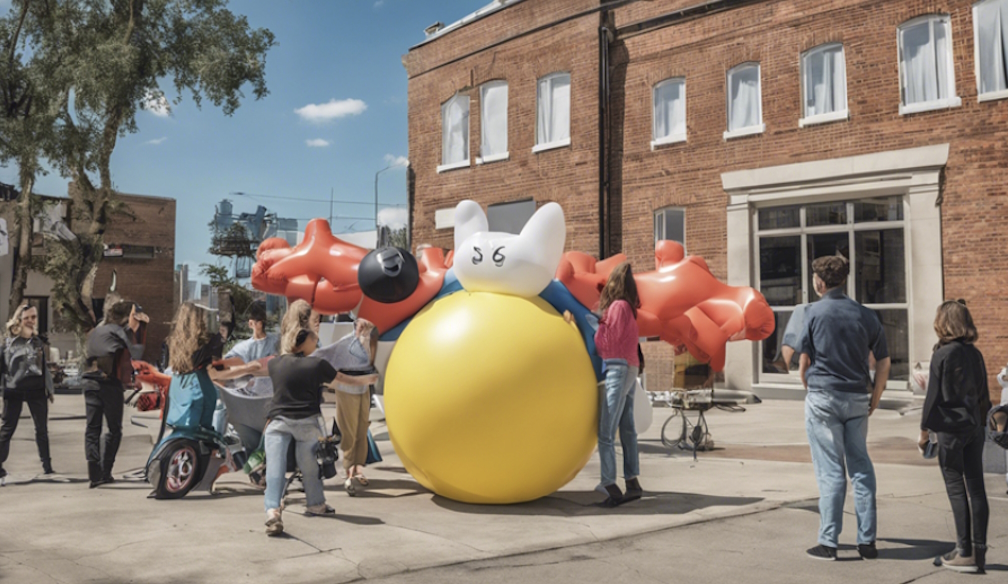
In today’s competitive market, capturing and maintaining the attention of your audience is crucial. That’s where custom inflatables, or as some might call them, custom blow ups, come into play. These fantastic marketing tools offer a unique and engaging way to draw in crowds, promote brands, and make a memorable impression. By leveraging custom made inflatables, businesses and event planners can create a distinctive and vibrant presence in any setting. Moreover, custom inflatables are not just about size and visibility; they represent a creative and versatile approach to advertising, capable of adapting to various themes and environments.
Understanding the Importance of Custom Blow Ups
The significance of using innovative methods to stand out is clear, which is why exploring the world of custom blow up is essential. This discussion will delve into the benefits they offer and how they can be effectively utilized to engage audiences. From understanding what custom inflatables are to unveiling the numerous advantages they provide, this guide will cover everything you need to know about designing and creating custom blow ups that captivate and resonate with your target demographic. Practical insights on maximizing the impact of these custom creations will also be shared, ensuring that your message not only reaches but sticks with your audience.
What are Custom Blow Ups?
Custom blow ups, also known as inflatables, are structures that can be filled with air (or sometimes another gas) to create impressive displays. These eye-catching creations are typically made from airtight materials such as vinyl or nylon, allowing them to be easily inflated and deflated as needed.
Definition and Overview
Custom blow ups are defined as made-to-order inflatable products that can be tailored to your brand's colors and built to your exact specifications. They are designed and manufactured from scratch, with a highly skilled team ensuring that almost any size, shape, or concept can be brought to life. One key benefit common to all types of custom inflatables is their portability and ease of storage. Once deflated, they shrink down to a fraction of their installed size, making them convenient to transport and store until needed again.
Types of Custom Blow Ups
Custom blow ups come in various forms, each serving a unique purpose in engaging audiences and promoting brands. Here are some popular types:
Inflatable Arches and Tunnels: These are commonly used as entry points, finish lines, or settings for events. They can be customized with your brand's logo and colors, ensuring visibility in countless event photos.
Inflatable Billboards and Signs: These large, eye-catching displays can be placed in high-traffic areas or event venues, making them excellent for advertising and brand promotion.
Inflatable Product Replicas: Precise replicas of your products can generate buzz around new launches or create eye-catching displays at trade shows and events.
Inflatable Characters and Mascots: From movie premiers to corporate events, custom inflatable characters and mascots can bring your brand's personality to life in a memorable way.
Inflatable Animals and Shapes: Pet-shaped inflatables, giant animals, or unique shapes can serve as marketing tools, decorations, or educational aids, depending on your needs.
With their versatility, custom blow ups offer a cost-effective and lightweight way to launch products, advertise campaigns, or simply draw attention to your brand in a variety of locations and settings.
Benefits of Using Custom Blow Ups
Engagement and Interaction
Custom blow ups offer a unique opportunity to captivate audiences and foster meaningful engagement. Imagine the striking impact of a Giant Bunny, a towering Rubber Duck, or a massive Panda welcoming your guests. Picture the delight of children and families as they interact with Giant Australian Koalas, the charm of a Giant Cheeky Cow, or the classic allure of a Giant Teddy Bear. Each character is more than just a mascot; they are colossal, captivating, and perfect for any business aiming to draw a crowd and make a lasting impression.
This not only elevates brand visibility but also reinforces brand identity in a fun and engaging way. Whether it’s a grand opening, a special sale, or a community event, custom inflatables help your brand soar both literally and figuratively. Designed to integrate seamlessly into various settings, they are ideal for indoor team-building activities, work functions, and small fun activities for employees, offering a brilliant solution for event entertainment hire, including work Christmas party entertainment ideas and entertainment for dinner parties.
Brand Visibility and Marketing
Custom inflatables tailored to your brand can leave a lasting impact on your audience. When your brand is associated with creative and memorable experiences, such as a giant inflatable product replica, it resonates more strongly with consumers. High visibility is key in a crowded marketing space, and inflatables enhance brand visibility like no other. The 3D nature of giant inflatables ensures they can be seen from a distance, while inflatable product replicas invite curiosity and recognition, leading to increased brand awareness. This strategy stands out among traditional forms of advertising, as the size and creativity of the display captivate potential customers.
Versatility for Different Events
The adaptability of custom inflatables is unmatched in the promotional sector. Expert designers can cater to a diverse array of events, whether you’re planning a trade show, sports event, or a product launch. They can showcase different types of custom inflatables, from realistic product shapes to imaginative characters that align with your branding. This flexibility and creativity ensure that each inflatable is both functional and aligned with your marketing goals. Whether you’re planning a family fun day, looking for creative event ideas for students, or hosting a corporate event, custom characters ensure your gathering becomes a vibrant celebration. For brand activations, inflatables are unparalleled in grabbing attention and engaging potential customers, making them some of the best brand activation ideas today.
How to Design and Create Custom Blow Ups
At Giant Inflatables, a meticulous process is followed to design and create custom blow ups that meet the highest standards of quality and safety. This process can be divided into three main phases:
Conceptualization and Design
The conceptualization and modeling step takes up to three days and is crucial for capturing all the visual design elements of your custom inflatable. Factors such as size and shape, brand logo placement, brand colors, and specific artwork are carefully considered. From an engineering perspective, the suitability of the inflatable model is also assessed, evaluating aspects such as airflow quality, stability, and resilience under different weather conditions. In case of any engineering flaws, the design team works closely with the client to refine the design, usually within a day. Minor adjustments are often sufficient, eliminating the need to abandon the design and start over.
Production Process
Once the design is finalized, the production stage begins, including printing, assembly, and testing. For highly complex designs, this stage can take up to 20 working days or more. Simpler designs may be completed in as few as 10 working days. The complexity of the design directly affects the production timeline, as more complex inflatables require assembling more components, sewing more materials, and incorporating and printing detailed artwork. Time efficiency is based on the ability to meet deadlines and deliver on complex designs, which is why experience spanning over 100,000 display items designed and delivered on time since 2006 can be trusted.
Safety and Quality Assurance
Ensuring the quality and safety of inflatable products is a top priority. Inflatables are meticulously designed and manufactured using premium materials and advanced techniques to guarantee years of safe operation. Thorough testing involves subjecting all fabrication materials to real-world conditions, using destructive load ISO testing. This testing covers critical aspects such as ballast and tie points, ensuring the reliability of the inflatables. ISO testing plays a significant role in the fabrication process, and adherence to ISO/IEC 17025 fosters global confidence in the work, facilitating international trade by enabling the acceptance of test and calibration data between countries without additional testing.
Inflation pressures and blower reliability are crucial to maintaining structural integrity. High-efficiency, quality, name-brand blowers with proven track records are chosen to ensure optimal performance and safety. By following this comprehensive process, custom blow ups that captivate audiences while prioritizing safety and durability are delivered, ensuring a lasting and memorable presence for your brand or event.