all you need to know to give wine tasting a go
- Written by: Ursula Kennedy, Lecturer of Wine Science, University of Southern Queensland
So you like drinking wine, but don’t actually know much about it? You want to feel more confident when talking about wine? You would like to know how to choose a “good” wine? You are not alone – but I am here to help.
Many of us enjoy drinking wine but do not really understand or appreciate the complexity of this amazing beverage. And many feel nervous about discussing wines, thinking they may say the wrong thing.
Fear not – there is no right or wrong when appreciating wine, however the more you know and understand, the more you will really treasure and enjoy the experience of wine tasting.
Here are my top tips for giving wine tasting a go.
Appearance, aroma and mouthfeel
When appreciating wine, all of the senses are employed.
Formal wine judges and critics will appraise the appearance, aroma and taste (or “mouthfeel”) of a wine, and anyone who has heard the pop of a cork from a bottle of sparkling has appreciated the sound.
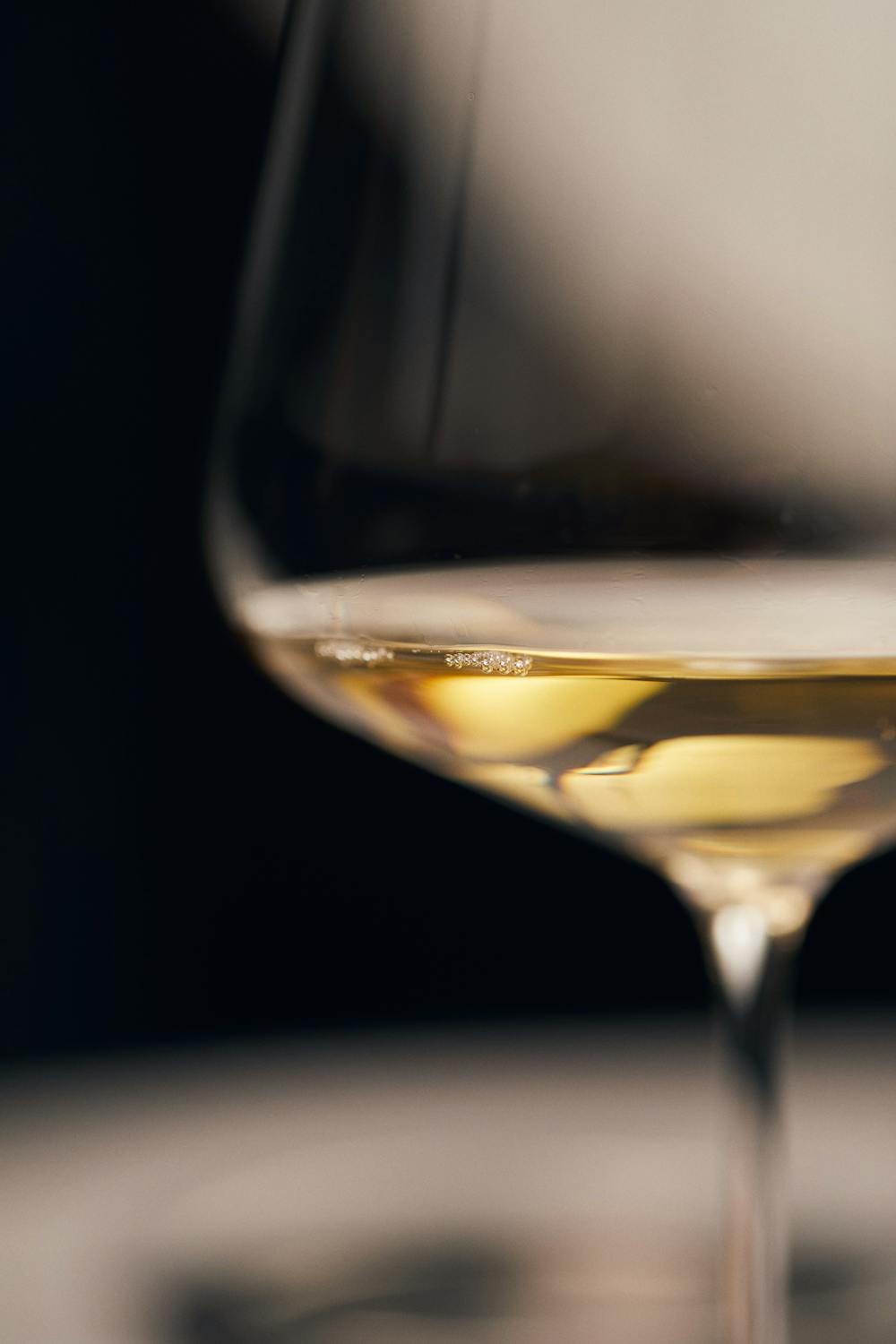
A wine should be clear: free of any haziness or solids (“natural[1]” wines may have some haziness due to yeast residue).
The colour of a wine is also important. A young white wine should be a very pale yellow or “straw” colour, and a young red may have purple notes. Brown tinges of a young wine indicate that the wine may be spoilt – possibly premature ageing due to poor storage.
There are hundreds of aroma compounds which all contribute to the smell of a wine. The term “aroma” refers to the smells originating from the grape, and “bouquet” from the smells resulting from the wine making process.
A good wine should not be simple – it should have an interesting array of aromas. A wine should not have any undesirable or off odours, as this can also indicate spoilage. The smell of a wine should make you want to have a taste of it!
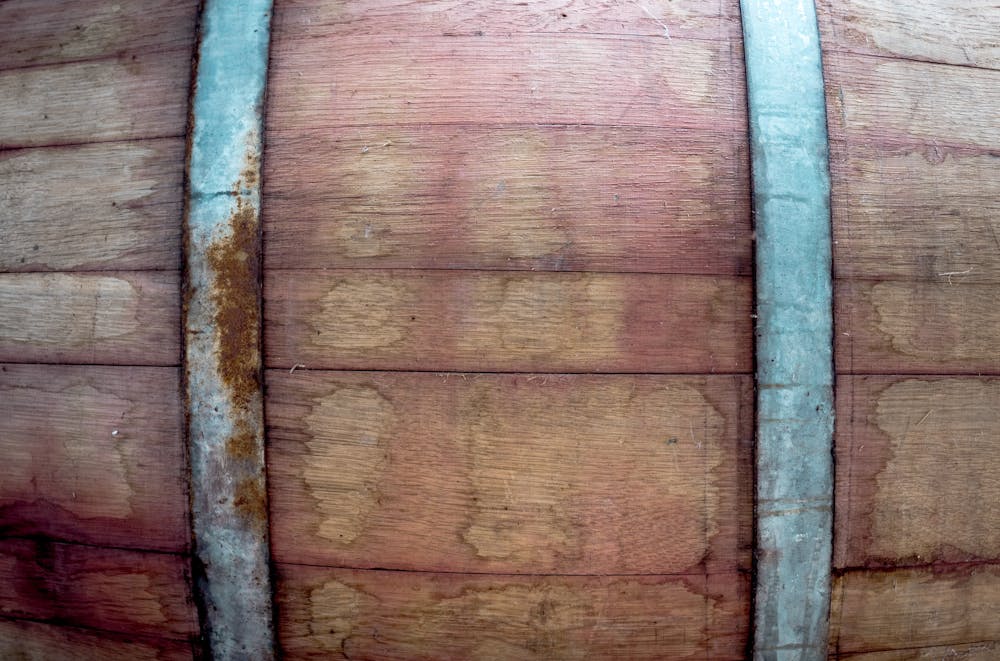 Wines can take on oaky tastes and smells from the barrelling process.
Dan-Cristian Pădureț/Unsplash
Wines can take on oaky tastes and smells from the barrelling process.
Dan-Cristian Pădureț/Unsplash
While you are tasting, you can observe how wines range in style from dry (lacking any sugar) to very sweet, still to sparking, and may have varying concentrations of alcohol (ethanol). Pay attention to how acidic the wine is, and notice if the wine has an astringency or bitterness – these are the tannins found particularly in red wines.
Notice the different flavours derived from both the grape and the winemaking process.
All of these components contribute to the mouthfeel of a wine and should be in “balance”: no one component should over-dominate the others.
Read more: Australians are embracing 'mindful drinking' — and the alcohol industry is also getting sober curious[2]
How to taste
There are a number of factors which will improve your wine tasting experience, and three main steps taken when wine tasting.
Make sure you have clean wine glasses which can hold a reasonable volume of wine – at least 100mL with room to swirl! Wine should not be cold or too hot – room temperature is best.
Step 1: look
Is the wine clear and free from any deposits or solids? Does it have any bronzing? Does it have bubbles when it is not a sparkling style?
Step 2: smell
Swirl the glass to coat the insides with wine. This helps to release the aroma compounds. Put your nose right into the glass and take a deep sniff. Does it smell good? Free from any off odours? Can you smell fruity and floral aromas that come from the grape? Are there any oak or yeasty aromas from the winemaking process?
Step 3: taste
Take a big sip and move it about your mouth. Can you taste grape flavours, acid, warmth, some viscosity or oiliness? You can even suck some air in through your teeth which helps to release aroma compounds in your mouth, which can then travel through your nose to help you taste and smell the wine even better.
Is the wine complex? Does the taste last for a long time in your mouth, or does the wine taste quickly disappear?
There are also tools such as aroma wheels and tasting guides which may be beneficial to have on hand when tasting wines – these provide suggestions of wine descriptors[3]. It may also be useful to write down your thoughts in a journal.
And how to appreciate
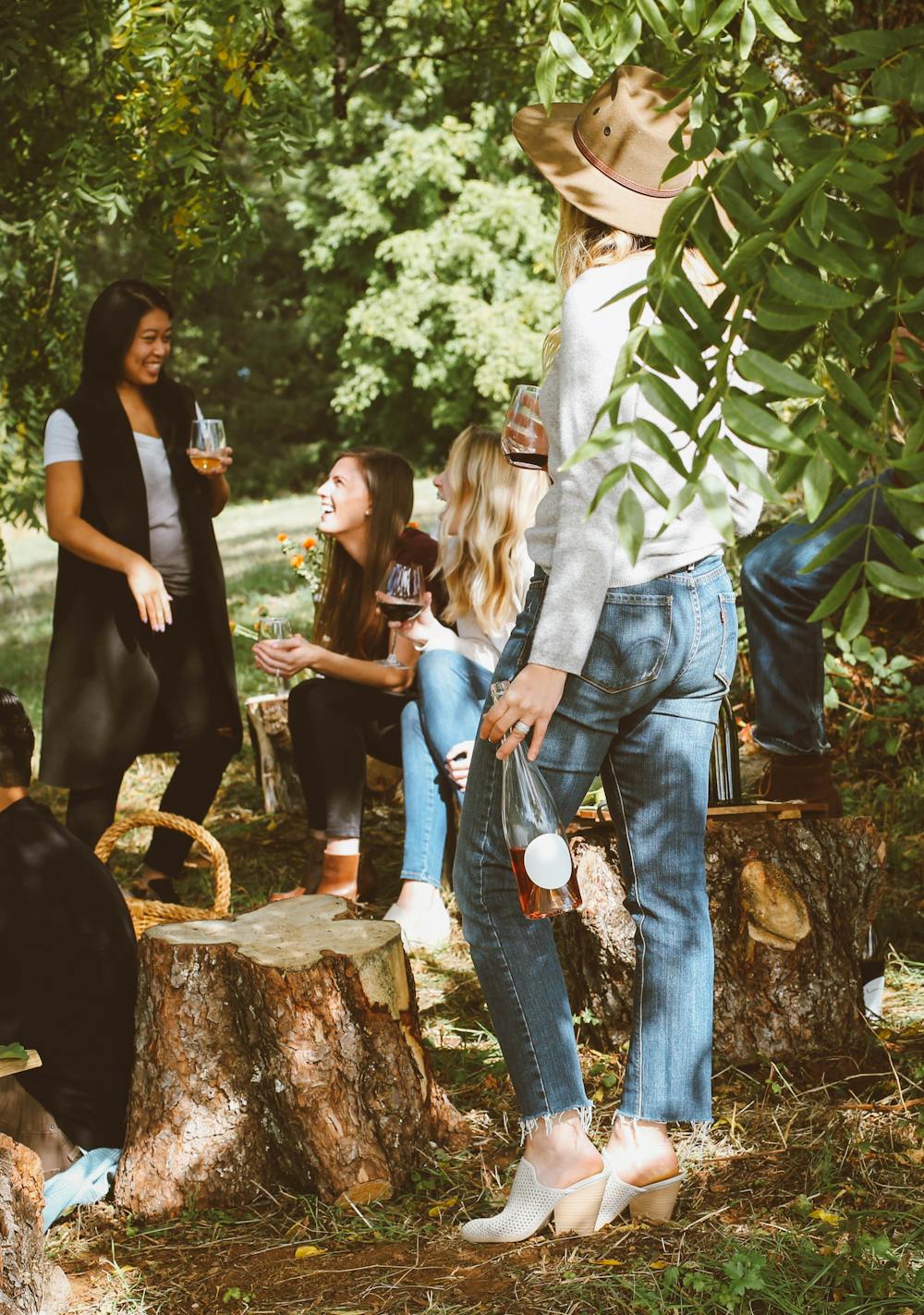 The best way to really appreciate wine is to talk about it/
Kelsey Chance/Unsplash
The best way to really appreciate wine is to talk about it/
Kelsey Chance/Unsplash
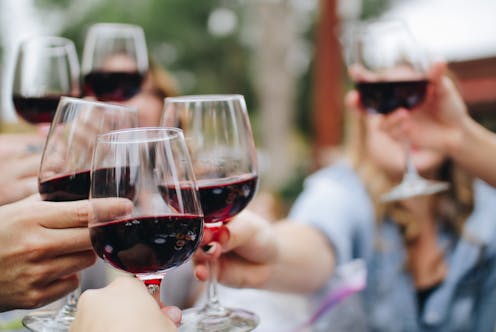
The best way to really appreciate and enjoy wine is to talk about it. Enjoy wine with others such as a group of friends or a local wine enthusiast group. Taste wines side by side so you can compare the differences.
There is a wealth of information on wine appreciation available – wine critics give reviews of wines in print and online, and most larger wine retailers will also provide wine reviews. Or get out to wineries and talk to the cellar door staff or winemakers about their wines. It is very useful to talk to other people as this helps you to build up your “wine vocabulary”.
Consider the appearance, aroma and taste and then the overall impression of the wine. Your opinion is your opinion - nobody is right and nobody is wrong. If you want to go back for another taste, or another glass, then you have found the wine for you.
References
- ^ natural (www.gourmettraveller.com.au)
- ^ Australians are embracing 'mindful drinking' — and the alcohol industry is also getting sober curious (theconversation.com)
- ^ suggestions of wine descriptors (www.aromadictionary.com)