The Times Australia
Google AI
The Times World News

.

Professor Joseph Ibrahim on COVID in aged care – and the end of nursing homes

  • Written by Michelle Grattan, Professorial Fellow, University of Canberra
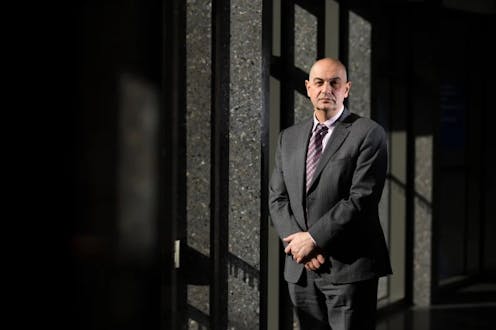
Professor Joseph Ibrahim on COVID in aged care – and the end of nursing homes

Joseph Ibrahim, Professor and Head, Health Law and Ageing Research Unit, Monash University, specialises in aged care issues. He has been a long-term advocate for improving the quality of life for those in residential care and for reform of the sector.

In this podcast, Ibrahim says currently COVID in aged care facilities is going largely unnoticed in the media. “If you have a look into the media coverage it would seem that it’s not a problem at all. [But] COVID deaths are far greater than at any time in the last two to three years”. While the vaccines have helped get things under control, the absence of restrictions is seeing infection rates at an all-time high. Ibrahim believes there should be a more tailored approach to outbreaks at facilities, depending on the circumstances.

A key election promise from Anthony Albanese was for a nurse on-site 24/7 in aged care facilities. Ibrahim is sceptical about how this will be achieved, given how many would be needed to meet the objective. “We would need 15,000 new nurses just to have one nurse in every facility, 24/7.”

More generally, in relation to the desperate staff shortages in the sector, Ibrahim says there is a “lack of respect” for aged care workers, citing low pay, the treatment they are given compared to healthcare professionals in hospitals, and the lesser opportunities for a career path.

Home care packages are key to the ability of many older people to stay at home. “I don’t think we’re keeping people at home for as long as we could […] Both governments have addressed and increased the amount of support packages available. The issue with that is, the package may be available, but the staff aren’t there to deliver on what’s within that package”. In some cases “I think people want to stay at home because they’re fearful of going into residential care, and so residential care isn’t seen as an option, it’s seen as a last resort”.

More radically, Ibrahim would like to see the end of nursing homes altogether. “We shouldn’t be having nursing homes at all […] do we believe that orphanages are a good way to look after children who have fractured family or who don’t have parents?”

One alternative to nursing homes would be “you might have small communal housing that might have five to ten people in them”.

“Or there are design changes around what you do when you get to 60, 70 or 80 in terms of downsizing and moving into a home that is more likely to meet your needs […] There’s also shared communal housing with people of different ages and different needs.

"I think we’ve been very lazy in just relying on aged care homes as a solution. So we’ve picked a lazy solution and we’re doing it badly.”


Read more https://theconversation.com/politics-with-michelle-grattan-professor-joseph-ibrahim-on-covid-in-aged-care-and-the-end-of-nursing-homes-190753

Times Magazine

Worried AI means you won’t get a job when you graduate? Here’s what the research says

The head of the International Monetary Fund, Kristalina Georgieva, has warned[1] young people ...

How Managed IT Support Improves Security, Uptime, And Productivity

Managed IT support is a comprehensive, subscription model approach to running and protecting your ...

AI is failing ‘Humanity’s Last Exam’. So what does that mean for machine intelligence?

How do you translate ancient Palmyrene script from a Roman tombstone? How many paired tendons ...

Does Cloud Accounting Provide Adequate Security for Australian Businesses?

Today, many Australian businesses rely on cloud accounting platforms to manage their finances. Bec...

Freak Weather Spikes ‘Allergic Disease’ and Eczema As Temperatures Dip

“Allergic disease” and eczema cases are spiking due to the current freak weather as the Bureau o...

IPECS Phone System in 2026: The Future of Smart Business Communication

By 2026, business communication is no longer just about making and receiving calls. It’s about speed...

The Times Features

Parks Victoria launches major statewide recruitment drive

The search is on for Victoria's next generation of rangers, with outdoor enthusiasts encouraged ...

Labour crunch to deepen in 2026 as regional skills crisis escalates

A leading talent acquisition expert is warning Australian businesses are facing an unprecedented r...

Technical SEO Fundamentals Every Small Business Website Must Fix in 2026

Technical SEO Fundamentals often sound intimidating to small business owners. Many Melbourne busin...

Most Older Australians Want to Stay in Their Homes Despite Pressure to Downsize

Retirees need credible alternatives to downsizing that respect their preferences The national con...

The past year saw three quarters of struggling households in NSW & ACT experience food insecurity for the first time – yet the wealth of…

Everyday Australians are struggling to make ends meet, with the cost-of-living crisis the major ca...

The Week That Was in Federal Parliament Politics: Will We Have an Effective Opposition Soon?

Federal Parliament returned this week to a familiar rhythm: government ministers defending the p...

Why Pictures Help To Add Colour & Life To The Inside Of Your Australian Property

Many Australian homeowners complain that their home is still missing something, even though they hav...

What the RBA wants Australians to do next to fight inflation – or risk more rate hikes

When the Reserve Bank of Australia (RBA) board voted unanimously[1] to lift the cash rate to 3.8...

Do You Need a Building & Pest Inspection for New Homes in Melbourne?

Many buyers assume that a brand-new home does not need an inspection. After all, everything is new...