Older people who get lost sometimes sadly lose their lives. But those with dementia are more likely to survive
- Written by: Marta Woolford, PhD Candidate and Research Officer at the Department of Forensic Medicine, Monash University
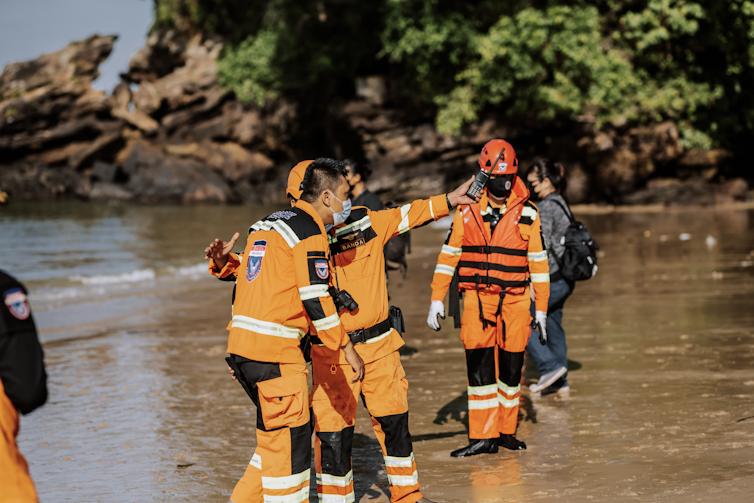
Being lost in an unfamiliar place is an unsettling feeling most of us have experienced. It requires cognitive and physical skills, and potentially other resources, to find our way and safely arrive at our destination.
This is why up to 60% of people with dementia[1] will experience becoming lost during the course of living with the disease.
We have conducted a study[2] of search and rescue incidents in the United States, and found people over the age of 65 years who go missing will experience (sometimes fatal) harm more than we expected.
However, the results for older people with dementia were surprising and counterintuitive.
Read more: What causes Alzheimer’s disease? What we know, don’t know and suspect[3]
What we know about older people and becoming lost
Older people (those over 65) are more vulnerable to becoming lost[4]. Age-related declines in physical and cognitive function impact our ability to navigate and endure the environment and seek assistance.
Becoming lost is very distressing[5] for both the lost person and for their loved ones. People with dementia are at increased risk of becoming lost[6] due to memory problems, loss of judgement and reduced visual-perceptual ability[7] (they might forget landmarks, become confused about direction, or not recognise places).
Frailty and increased risk of disease as we age mean the risk of sustaining an injury, possibly a fatal injury, increases for older people.
What our study found
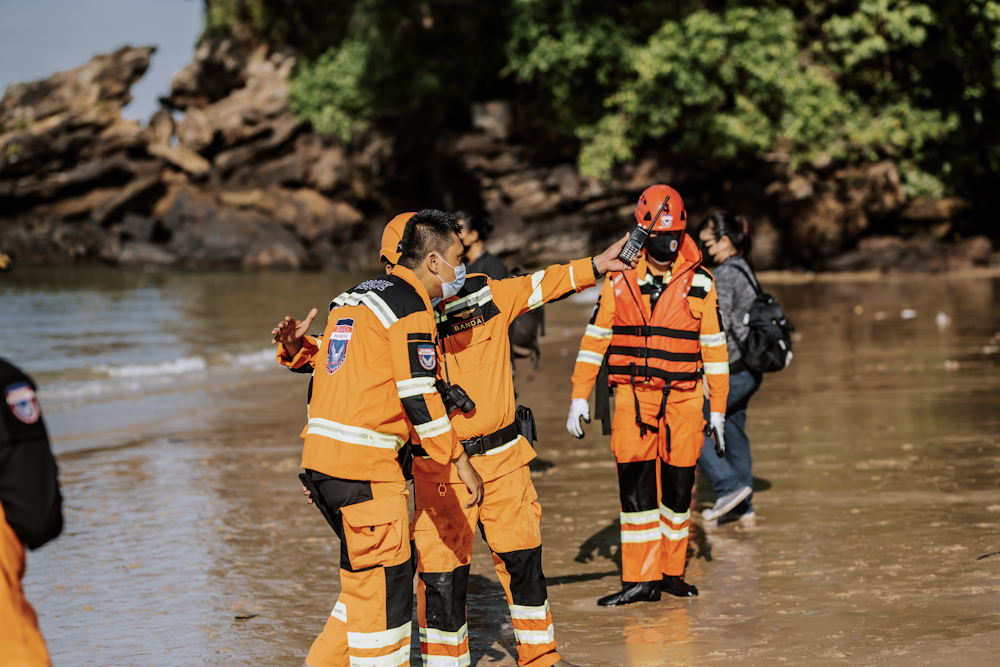
Our study[8] examined incident reports of older people who became lost in the US and had the matter reported to police or directly to a search and rescue team. We looked at 1,703 incidents which required a search and rescue operation to locate the person. We used US data because it was more extensive and detailed than what we have in Australia.
Of the 1,703 cases, 208 (12%) were found dead. This was more than we expected, but exact numbers of deaths are hard to predict since some people will also die due to injury after being found, and some are found quickly before the police are called.
We found death was more likely in situations where there were water-related activities (such as boating and fishing), cold weather conditions (drizzle, rain, snow), and among males. And for those who didn’t survive, they were more likely to be found in water or wetlands compared to the people found alive.
Importantly, for those who didn’t survive, the time taken to notify search and rescue teams was three times longer. The search time was six times longer.
Interestingly, people with dementia were more likely to be found alive than those without dementia.
Read more: These 12 things can reduce your dementia risk – but many Australians don't know them all[9]
Why were people with dementia more likely to survive?
While it seems a counterintuitive finding, the explanation for why those with dementia fared better may be in our approach to care, and the rescue methods applied for older people with dementia.
Caregivers for people with dementia may be using technological tracking devices or locking doors more regularly to prevent the older person with dementia from leaving their home.
It’s also plausible the greater concerns for the safety and wellbeing of people with dementia may be an impetus for caregivers to notify search and rescue teams earlier[10], compared to when a person without dementia is noticed missing.
Alternatively, it may also reflect the strategies employed by search and rescue teams. Searches for lost people with dementia are often prioritised[11] and given the highest urgency by search and rescue teams.
This focus on people with dementia may overlook other older people in need of interventions. We may not feel the same level of urgency, or even recognise there is real risk of harm to people without dementia.
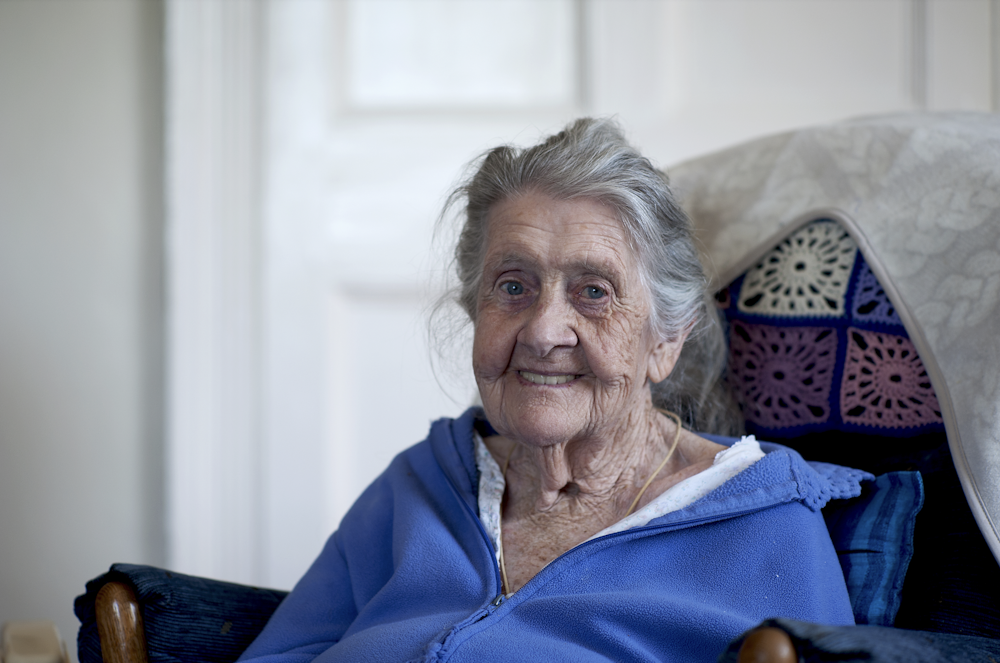 Older people with dementia are usually prioritised by search teams as urgent.
Shutterstock
Older people with dementia are usually prioritised by search teams as urgent.
Shutterstock
What do the findings mean?
This study, while focused on the US, would likely be transferable to countries with similar search and rescue authorities, climates, and terrain. Certainly, countries such as Australia, New Zealand and the US can learn from each other and are known to share search and rescue information with the aim to improve search efforts.
It is a stark reminder we need to focus on all older people, and not limit our focus to one population group.
If a loved one is noticed missing it is important to contact police early. The longer a person is missing, the greater their risk of death.
For people with dementia, families should consider the use of personal tracking devices such as GPS smart watches or tags. This intervention can help locate the person quickly and also respects their right to freedom of movement.
Often, people are found within close proximity of the place they were last seen and so searching in places nearby may be effective. Finally, understand the dangers of water-related activities. This danger extends to all older people with and without dementia. Ensuring the family know when and where an older person is visiting the water and wearing tracking devices may just save a life.
Read more: How Australians Die: cause #3 – dementia (Alzheimer's)[12]
References
- ^ 60% of people with dementia (pubmed.ncbi.nlm.nih.gov)
- ^ study (pubmed.ncbi.nlm.nih.gov)
- ^ What causes Alzheimer’s disease? What we know, don’t know and suspect (theconversation.com)
- ^ more vulnerable to becoming lost (pubmed.ncbi.nlm.nih.gov)
- ^ very distressing (www.sciencedirect.com)
- ^ increased risk of becoming lost (www.cambridge.org)
- ^ reduced visual-perceptual ability (pubmed.ncbi.nlm.nih.gov)
- ^ study (pubmed.ncbi.nlm.nih.gov)
- ^ These 12 things can reduce your dementia risk – but many Australians don't know them all (theconversation.com)
- ^ notify search and rescue teams earlier (pubmed.ncbi.nlm.nih.gov)
- ^ often prioritised (www.hindawi.com)
- ^ How Australians Die: cause #3 – dementia (Alzheimer's) (theconversation.com)