how much does greenwashing cost fossil-fuel sponsors of Australian sport?
- Written by: Emma Sherry, Professor and Co-director, Sport Innovation Research Group, Swinburne University of Technology

High-profile Australian athletes and supporters across sports such as cricket[1], netball[2] and Australian Rules football[3] have recently called for their sports to reconsider their partnerships with fossil fuel or mining companies.
Our report[4], released today, is the first research to quantify the number and value of fossil-fuel sponsorships in Australian sport. It reveals coal, gas and oil companies spend A$14 million to A$18 million each year sponsoring 14 high-profile leagues and sports in Australia.
We identified 51 such partnerships. The major fossil-fuel sponsors of sport include companies such as Santos, Alinta, BHP and Woodside.
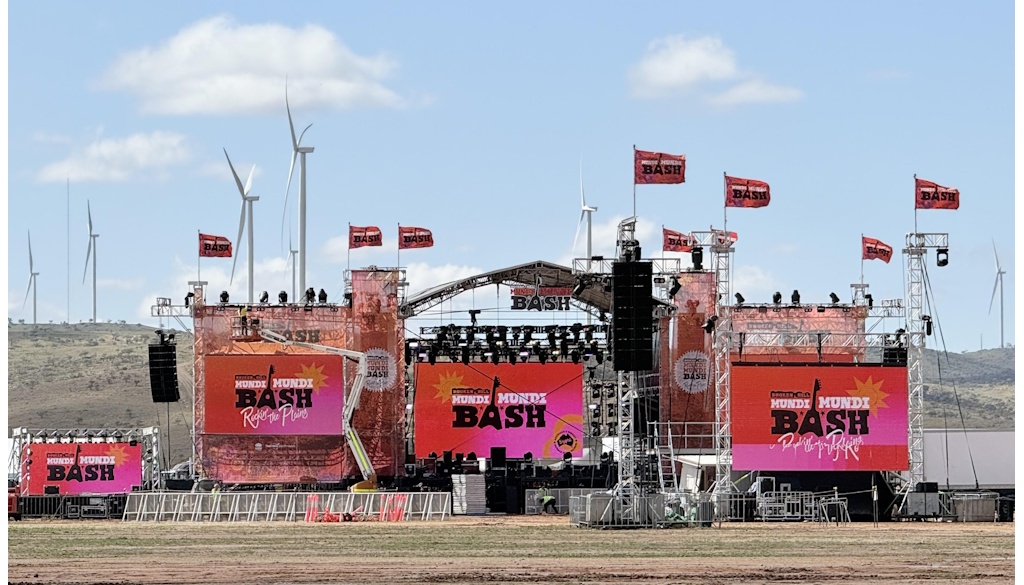
The money these sponsors spend on sport is at least partly an investment in “greenwashing” their images. Fossil fuel corporations are major sources of the emissions that drive climate change, but through sports sponsorship they leverage the positive image of sport and fan loyalty associated with teams.
The association of these sponsors’ names and logos with popular sports and athletes can sanitise the image[5] of fossil fuel companies. When sports embrace high-polluting brands, they help normalise those companies’ contributions to the climate crisis.
But many Australian sport organisations are starting to take action to reduce their carbon footprint. They are also leveraging their media profiles to promote environmentally positive behaviours. As they do so, coal, oil and gas sponsorships and partnerships are coming under increasing public scrutiny.
Read more: Should athletes just shut up and play ball? No – society is changing and sport sponsorship must too[6]
Why does this matter for sport?
Sport is part of the Australian cultural identity. Millions of Australians watch and play sport. Hundreds of thousands volunteer every week to do the work needed to bring community sport to life.
Sport is integral to the social fabric of communities. It provides well-documented[7] mental and physical health benefits as well as social benefits for participants. Sport also contributes around $50 billion a year[8] to the Australian economy.
However, climate change is both an immediate and future threat to sport in Australia[9].
Increasing heat as a result of climate change is a problem for sport. The viability of iconic sporting events such as cricket’s MCG Boxing Day Test and the Australian Open tennis could be threatened by heatwaves reaching highs of 50℃ by 2040. Extreme heat poses a risk for community sport too.
Higher temperatures are also driving longer and more intense bushfire seasons, exposing athletes and spectators to dangerous air pollution.
In this context, accepting sponsorship from coal, gas and oil corporations creates reputational risks for Australian sport.
Read more: In a climate crisis, how do we treat businesses that profit from carbon pollution?[10]
Which sports are favoured?
Our report, Out of bounds: coal, gas and oil sponsorship of Australian sports[11], was prepared by Swinburne University of Technology’s Sport Innovation Research Group for the Australian Conservation Foundation. We identified 51 partnerships (3.5% of all partnerships) between 14 top-tier sporting organisations and coal, gas and oil companies. We found oil and gas companies tend to sponsor Australian Rules football, rugby union and rugby league, while fossil-fuel energy retailers favour partnerships with cricket, soccer and netball.
While not a small level of investment, we suggest these 14 sports could, over time, replace the $14 million to $18 million they receive each year.
The benefits that associating with sport provides to these corporations would be much more difficult for them to replace.
Read more: Sportswashing: how mining and energy companies sponsor your favourite sports to help clean up their image[12]
What can sports do?
There is a solution to this challenge for the Australian sport industry. Sport organisations have a history of having to move away from corporate sponsors due to growing public concern about their impact on individual and community health and wellbeing. Tobacco, alcohol and gambling are just some industries that have faced regulation to control their involvement with sport[13] as a promotional platform.
Cricket Australia has already announced it is parting ways with Alinta Energy[14] when its nearly $40 million, five-year sponsorship deal ends[15] in 2023.
The road away from coal, oil and gas company sponsorship of sport, as well as wider environmental approaches, can be either direct or indirect. Directly, organisations or brands can end or reject coal, oil and gas sponsorship. They can also actively advocate or illustrate sports’ role in a more sustainable future.
Indirectly, sports organisations may “signal an intent” by signing a climate-related agreement or join an environmental association as an institutional member. For some sport organisations these commitments appear at odds with their sponsorship partnerships with oil, coal and gas companies.
Global and national concern about the impacts of climate change on human health and the environment is growing. Sports fans are increasingly likely to question sponsorship arrangements with corporations that extract or sell coal, gas and oil.
Sporting competitions and clubs should actively work to avoid such reputational risks. They need to recognise the influence their brand has on society, especially as it relates to the climate crisis that’s also threatening the viability of sport.
References
- ^ cricket (www.theguardian.com)
- ^ netball (www.abc.net.au)
- ^ Australian Rules football (www.heraldsun.com.au)
- ^ report (www.acf.org.au)
- ^ sanitise the image (www.taylorfrancis.com)
- ^ Should athletes just shut up and play ball? No – society is changing and sport sponsorship must too (theconversation.com)
- ^ well-documented (www.sportaus.gov.au)
- ^ $50 billion a year (www.climatecouncil.org.au)
- ^ immediate and future threat to sport in Australia (www.climatecouncil.org.au)
- ^ In a climate crisis, how do we treat businesses that profit from carbon pollution? (theconversation.com)
- ^ Out of bounds: coal, gas and oil sponsorship of Australian sports (www.acf.org.au)
- ^ Sportswashing: how mining and energy companies sponsor your favourite sports to help clean up their image (theconversation.com)
- ^ faced regulation to control their involvement with sport (www.clearinghouseforsport.gov.au)
- ^ parting ways with Alinta Energy (www.theguardian.com)
- ^ $40 million, five-year sponsorship deal ends (www.smh.com.au)