Refugees who set up businesses enrich NZ financially, culturally and socially – they deserve more support
- Written by: Nadeera Ranabahu, Senior Lecturer in Entrepreneurship & Innovation, University of Canterbury
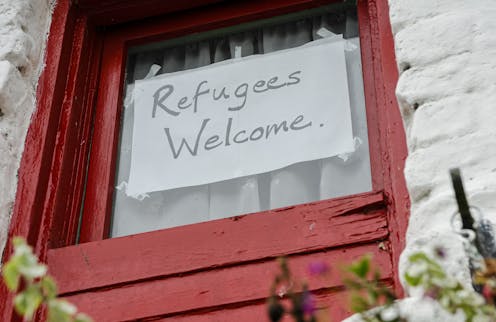
With Immigration New Zealand currently examining[1] both the Migrant Settlement Integration Strategy and Refugee Resettlement Strategy, it’s the right time to consider the role small business support can play in helping refugees integrate into our society.
Each year, the country accepts 1,500 refugees under the Refugee Quota Programme[2]. Currently, the government facilitates their settlement through agencies that have specific settlement expertise[3].
With this regular intake of refugees, refugee support groups stress the need for better support and clear pathways for refugees to settle into the community.
But helping refugees is not a simple process and requires government support at each stage of the journey[4]. Once refugees have established their lives in New Zealand, however, there can be a net gain for the country.
Our research[5] looked at the types of “value” resettled refugees can add by establishing local businesses that contribute both economically and culturally to their local communities. Supporting refugee entrepreneurship can have a ripple effect that goes well beyond individuals and their families.
Encouraging belonging
Settling refugees requires government support, but also input from civil society organisations, private or non-government institutions, as well as family, friends and diaspora communities.
The New Zealand Refugee Resettlement Strategy[6] envisions that:
Refugees are participating fully and integrated socially and economically as soon as possible so that they are living independently, undertaking the same responsibilities and exercising the same rights as other New Zealanders and have a strong sense of belonging to their own community and to New Zealand.
But what happens after refugees are settled in New Zealand? How do resettled refugees participate, contribute and add value to the society after their immediate settlement needs are met?
Three types of value
We interviewed 19 resettled refugees who own and operate small businesses in New Zealand.
The small business owners in our study lived in Christchurch, Auckland, Hamilton and Wellington, and were resettled from Afghanistan, Kurdistan, Colombia, Myanmar and Vietnam. Their businesses were primarily in the areas of food and hospitality, retail, personal care, marketing and social media, construction and automotive.
Read more: Why migrant and refugee women and children remain in the shadows of health reforms in New Zealand[7]
Most of them had been in New Zealand for around 20 years. They had initially been in employment before starting their own businesses. On average, our interviewees had been operating their businesses for five years.
We identified three types of value refugee small business owners created in their host society – economic, social and cultural.
Working together
Business owners created value through the introduction of unique products and services. They also generated employment, enhanced economic wealth in their communities by increasing subcontracting opportunities, and expanded the customer base by providing new products and services.
Some of the refugee business owners we spoke to also worked together with other local businesses. One business owner in marketing services said she would refer clients to fellow businesses that were complementary to her own:
[…] three small businesses have come together and we feed off each other. So, we refer clients sideways.
Some of the business owners generated social value by sponsoring events and providing spaces for locals to interact.
Cultural value was generated among food and hospitality ventures or ethnic retail stores by providing avenues for locals to experience cultural and ethnic products, cuisines, clothes and music.
Read more: Why has New Zealand welcomed Ukrainians fleeing war and not others trying to do the same?[8]
One restaurant owner told us:
It was basically a new experience for most of the people in that region because we were doing Middle Eastern food with the Middle Eastern music. And we used to do live music with the belly dancing […] they used to love it.
We also saw the types of value a business created depended on its target customer base. If a business was focused on addressing the needs of ethnic communities, those businesses tended to generate value for the diaspora community in New Zealand.
Investing in entrepreneurship
These interviews highlight the need for greater small business assistance within the mix of support services provided to refugees resettling in New Zealand.
As the government assesses its resettlement policies, policy makers should consider the give and take of the arduous refugee settlement processes, as well as what long-term outcomes they hope to achieve.
Our research shows entrepreneurship is a viable form of societal and economic integration and should be considered as a pathway for resettlement.
References
- ^ currently examining (www.immigration.govt.nz)
- ^ Refugee Quota Programme (www.immigration.govt.nz)
- ^ settlement expertise (www.immigration.govt.nz)
- ^ each stage of the journey (www.auckland.ac.nz)
- ^ Our research (doi.org)
- ^ New Zealand Refugee Resettlement Strategy (www.immigration.govt.nz)
- ^ Why migrant and refugee women and children remain in the shadows of health reforms in New Zealand (theconversation.com)
- ^ Why has New Zealand welcomed Ukrainians fleeing war and not others trying to do the same? (theconversation.com)