

Shop around, take lunch, catch the bus. It is possible to ease the squeeze on your budget
- Written by: Laura de Zwaan, Lecturer, Department of Accounting, Finance and Economics, Griffith University
This article is part of The Conversation’s series examining Australia’s cost of living crisis. Read the other articles in the series here[1].
It’s no secret that the cost of living has increased substantially over the last year, with rises of between 7.1 and 9.6 per cent[2] for all households. So what can households do to manage these increases?
It might sound simple, but starting with a budget is the best approach. Even if you already have a budget, price increases mean it will need to be updated. For those new to budgeting, it is just a list of your income and expenses.
Make sure you match the frequency of these so you are working out your budget over a week, or a fortnight, or a month. There are plenty of budgeting apps and websites that can help, such as the Moneysmart budget planner[3].
Once your budget is up to date, you can see your financial position. Do you have a surplus of cash – congratulations! You can save that money to help you in an emergency.
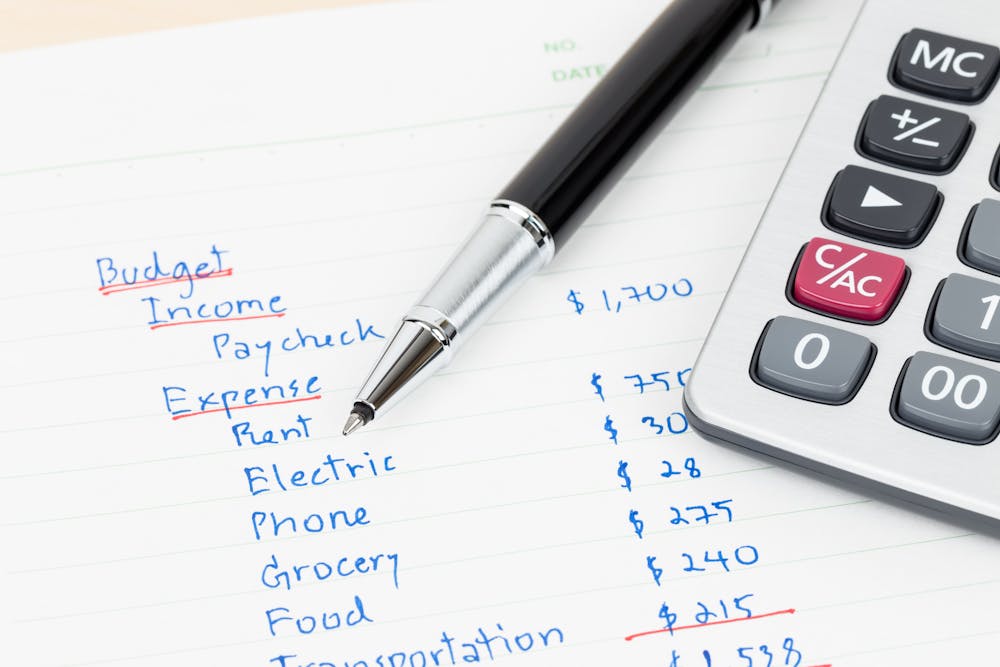
But what about if you have less income than expenses? You need to work through a process of figuring out where you can cut back.
Some expenses are easy to cut back on:
If you have multiple streaming services, drop back to one at a time. Check for any other subscriptions you might be paying for – if you are not using them frequently, now is the time to cancel. You can always resubscribe when money isn’t tight.
If you are spending a lot of money on take out or paying for lunch, find cheaper alternatives such as eating at home and packing a lunch using cheaper ingredients. Switch to tap water for normal drinks, and take a travel cup of coffee with you.
Check and see if public transport is cheaper for you. If you are using a lot of fuel and paying for parking, public transport could be a better option.
Groceries can be a huge cost for families. It is always worth shopping around to not pay full price. Understand unit pricing and buy the products you use when they are on special. It might be necessary to switch to cheaper products.
Check if you are paying too much for your utilities like internet, electricity and gas. There are comparison websites you can use, including the Energy Made Easy[5] website. You can also make simple changes such as turning off lights and using a saucepan lid when boiling water that will reduce your usage.
Check other products you might be paying for, such as car, home and health insurance to see if you can save money by switching. Be careful with any life or disability policies. It is best to speak to a financial adviser before changing those as there can be implications for cover.
Other expenses, like housing, can be a lot harder to manage.
Rising interest rates have pushed up mortgage repayments for homeowners. Mortgage interest charges have risen by 78.9% over the year[6] to March 2023. For many homeowners, their repayments are unaffordable compared to when they first took out their mortgage.
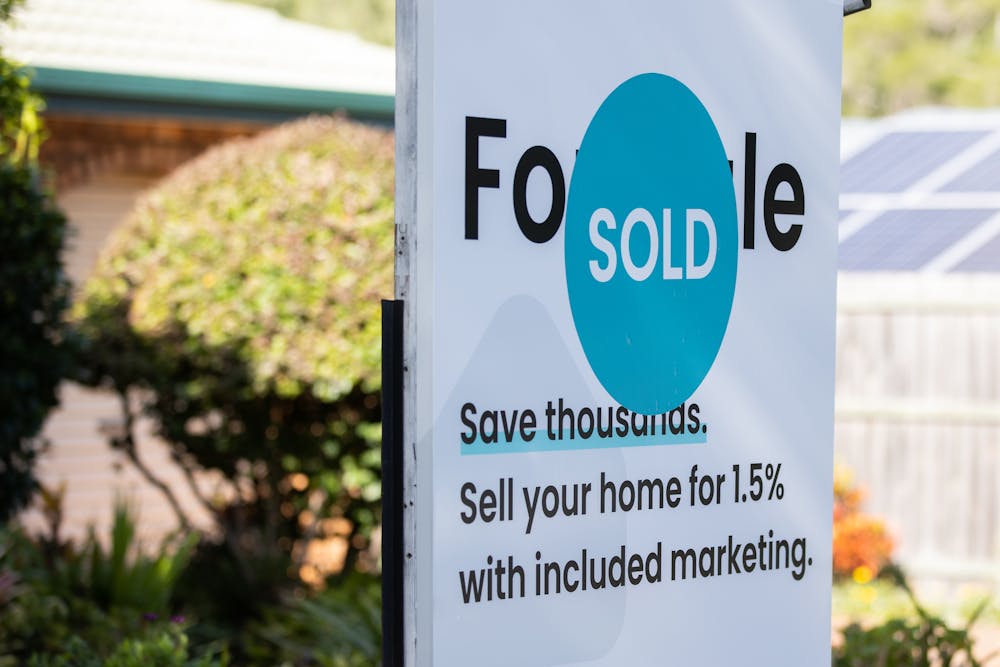 Repayments are becoming unaffordable for many homeowners.
AAP[7]
Repayments are becoming unaffordable for many homeowners.
AAP[7]
If you are struggling to afford your mortgage, the first step is to talk to your lender as soon as possible. Moneysmart has useful information[8] on what to do when you can’t meet your mortgage payments.
You may also be able to access some of your superannuation[9] so you don’t lose your home, however bear in mind that this is a temporary solution and uses your retirement savings.
Increased demand for rentals has seen average rents across Australia increase by 27.4% since the COVID pandemic[10]. Supply of rental properties is low, which means many people may not be able to find a suitable alternative if their rent increases and becomes unaffordable.
It might be necessary to take on a housemate, or move to a cheaper location (make sure to consider additional costs such as transport). If your circumstances have changed suddenly and you cannot pay your rent, contact your landlord or property manager.
If you are paying a lot in credit card or other personal debt repayments such as numerous Afterpay-style accounts, it could be a good idea to speak to a bank about consolidating.
This can help move some expensive debt, such as that from credit cards, into lower interest debt and simplify your budgeting as there is only one payment. If debt is making your budget unmanageable, then you can call the National Debt Helpline[11] or for First Nations Australians there is Mob Strong Debt Help[12].
A final option could be to increase your income by taking on more work. This can be a good solution, but if you already work full time it might be unsustainable. Two common side hustles to boost income are gig work, such as Uber driving, and multi-level marketing, which is selling goods like Doterra and Herbalife to family and friends.
However, both are low[13] paid[14] and in most cases you would be better off earning minimum wage as a casual employee.
References
- ^ here (theconversation.com)
- ^ 7.1 and 9.6 per cent (www.abs.gov.au)
- ^ Moneysmart budget planner (moneysmart.gov.au)
- ^ Shutterstock (www.shutterstock.com)
- ^ Energy Made Easy (www.energymadeeasy.gov.au)
- ^ risen by 78.9% over the year (www.abc.net.au)
- ^ AAP (photos.aap.com.au)
- ^ useful information (moneysmart.gov.au)
- ^ access some of your superannuation (www.ato.gov.au)
- ^ 27.4% since the COVID pandemic (content.corelogic.com.au)
- ^ National Debt Helpline (ndh.org.au)
- ^ Mob Strong Debt Help (financialrights.org.au)
- ^ low (www.twu.com.au)
- ^ paid (eprints.qut.edu.au)










