How streaming services changed the way we listen to music
- Written by: Michael James Walsh, Associate Professor in Social Sciences, University of Canberra
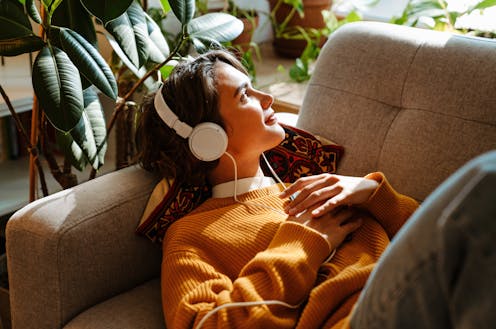
Music streaming can alter what was once a private activity into something more seemingly public.
Around 2016, streaming became the dominant[1] way people engaged with recordings of music. Users engage in a constant process of renting music, by perpetually paying[2] to use these services or by providing access to user data. Streaming services operate simultaneously in two types of markets[3]: the circulation of music for users; and the exploitation of users’ data and attention.
With this sharing, music streaming has altered the social experience[4] of listening to music. Now, anyone with an account could potentially be listening in and seeing what music we choose to spend our time with.
So how does “Spotify snooping[5]” and streaming music more generally change the way we listen to music?
The ubiquity of music
To understand the changing nature of music listening, I interviewed[6] 49 users of streaming services about how they listen to music.
One key finding[7] is these services render music more ubiquitous[8] across everyday life.
As one interviewee explains, streaming:
has made it easier for me to have it as a part of a soundtrack to my life, a part of what I do. Because it’s just so integrated. With technology it just allows things to be so simplified for us that we can just access music at a click of the finger. I think that therefore music is much easier for me to have it kind of flowing through.
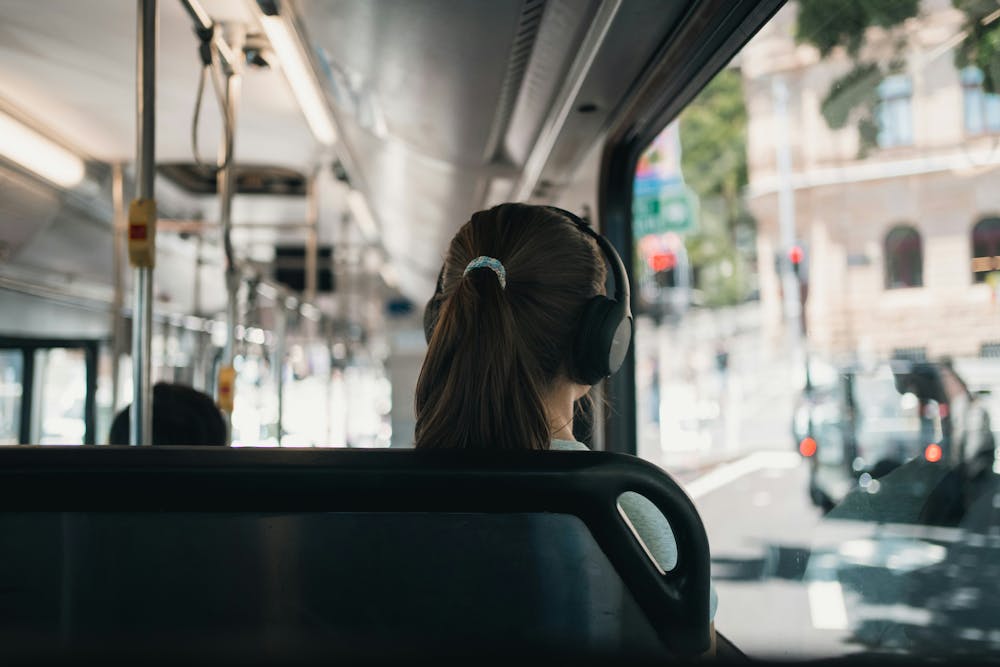
Music streaming technologies seek to shape how users engage with music through algorithmic features, such as platform-curated playlists. Users are required to navigate features that decide, filter and select[10] what to expose listeners to.
As one participant’s describes:
I almost feel like stuck in a rut… I’m like, ‘I actually do really want to find something new.’ And I’ll go out and find that. But even though it’s not Spotify’s fault, I kind of feel a little [trapped] in the world that I’ve set up for myself by listening to certain types of things. I guess the algorithm promotes what you’ve already been listening to and only gives you often slight variations on what that is because it doesn’t want to freak you out. And I guess that’s its job. It can be a little limiting sometimes.
Read more: Stream weavers: the musicians' dilemma in Spotify's pay-to-play plan[11]
Who’s listening in?
Because streaming services also act as social media platforms, your listening habits can potentially be viewed by outsiders, the users I spoke to talked of a need to navigate music streaming carefully.
One interviewee spoke of the “social pressure” to curate what he is listening to:
I’m also slightly conscious of how much I’m listening to something and, you know, like it’s not … is it embarrassing, but is it? Am I listening to it too much? Should I be listening to more varied music because I want to seem, I don’t know, like should I listen to more varied music? And so that kind of plays around in the back of my head as I’m choosing music as well.
Other people recoil[12] at being rendered into a series of data points[13].
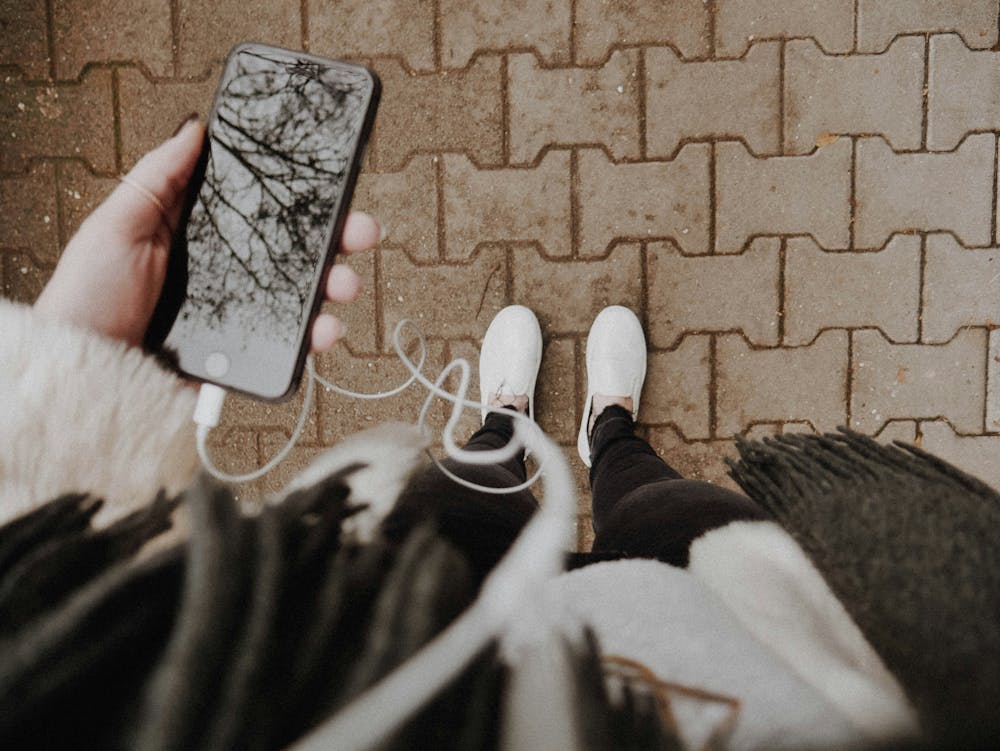 How do our listening habits change when anyone else could be listening in? Melanie Pongratz/Unsplash[14]
As one participant suggests:
sometimes you listen to things in a personal context, you know, I guess if the music you’re listening to is reflective of how you’re feeling, you don’t necessarily want to reflect how you’re feeling or communicate how you’re feeling with other people. Yeah, and if that’s being broadcast, it’s a little bit off, isn’t it? Awkward, you know.
This knowledge of how streaming services trace and allow others to follow users comes to frame the experience of using the service itself.
Another interviewee described once privately listening to songs on their iPod:
it was sort of a bit anonymous as well. I like that you could just sort of you know … I could just be in bed, for example, with the headphones in listening and it wasn’t sort of necessarily recorded online. And I suppose I have to admit there’s a part of me that feels a little bit resentful that you can’t just sort of download things the way you could in the past and have it […] [to] listen indefinitely.
Read more: Audio cassettes: despite being 'a bit rubbish', sales have doubled during the pandemic – here's why[15]
Fading passions
While streaming undoubtedly commands[16] a significant way we now engage with music, some interviewees also indicate it has changed their relationship with music:
I guess having ownership over music feels different to having, you know, like a subscription. I feel less passionate about streaming services […] I think I just feel more passive with Spotify I guess, like, less active. Because every time I try to be active I just get frustrated at not being able to find what I want […] Like, there was just so much more effort involved in music before whereas I think when something becomes less – less effortful perhaps it becomes less special, you know.
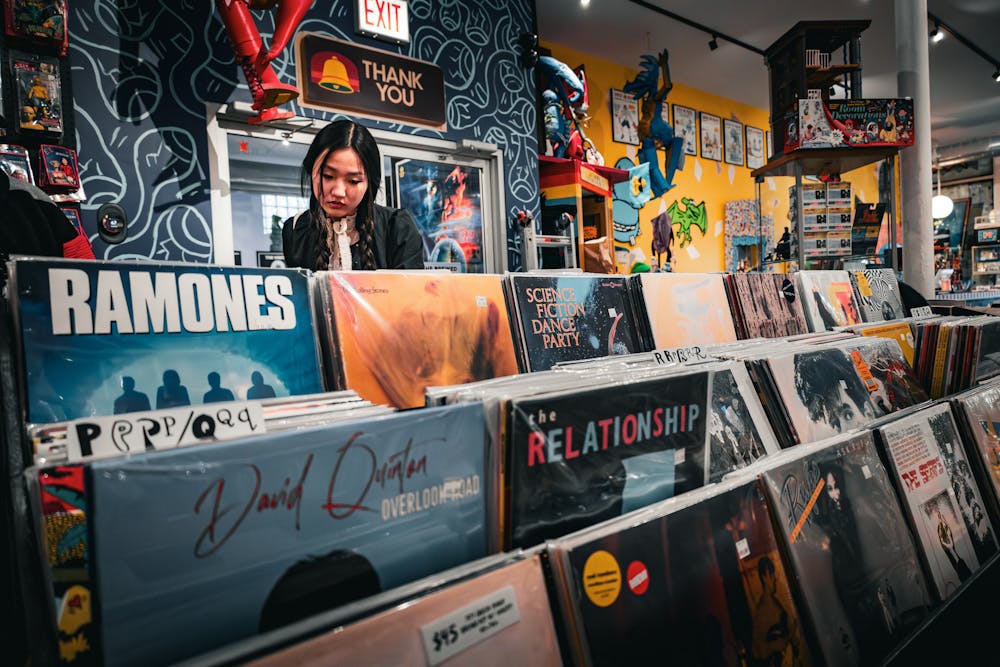 Physical formats like vinyl can feel more tangible and so more special. Joss Broward/Unsplash[17]
These experiences could also partly explain the resurgence in physical formats such as vinyl[18] and even cassette[19].
Streaming technologies not only change how we access music recordings but also are associated with changes in the social experience[20] of listening to music.
Streaming allows people to incorporate music ubiquitously and musically inflect everyday life in increasingly varied ways. But it can also transform private acts of listening into public ones to be viewed with risk if not managed carefully.
References
- ^ streaming became the dominant (www.taylorfrancis.com)
- ^ perpetually paying (doi.org)
- ^ two types of markets (doi.org)
- ^ social experience (link.springer.com)
- ^ Spotify snooping (www.wsj.com)
- ^ I interviewed (doi.org)
- ^ key finding (www.taylorfrancis.com)
- ^ ubiquitous (doi.org)
- ^ Matthew Michael/Unsplash (unsplash.com)
- ^ decide, filter and select (journals.sagepub.com)
- ^ Stream weavers: the musicians' dilemma in Spotify's pay-to-play plan (theconversation.com)
- ^ recoil (www.washingtonpost.com)
- ^ data points (link.springer.com)
- ^ Melanie Pongratz/Unsplash (unsplash.com)
- ^ Audio cassettes: despite being 'a bit rubbish', sales have doubled during the pandemic – here's why (theconversation.com)
- ^ undoubtedly commands (www.wsj.com)
- ^ Joss Broward/Unsplash (unsplash.com)
- ^ vinyl (www.theguardian.com)
- ^ cassette (www.afr.com)
- ^ social experience (doi.org)