what it’s like to have no visual imagination or inner voice
- Written by: Derek Arnold, Professor, School of Psychology, The University of Queensland

Look at these pictures. Can you see a cube on the left and a face on the right?

Can you imagine seeing things in your mind? Can you hear an inner voice when you think or read?
One of the authors, Loren Bouyer, cannot do any of these things. To Loren the left-hand image looks like a jumble of two-dimensional shapes, and she can only see a mop on the right.
Loren cannot imagine audio or visual sensations, or hear an inner voice when she reads. She has a condition we describe as “deep aphantasia” in a new paper[1] in Frontiers in Psychology.
‘A blind mind’
Both authors are aphantasics[2] – we are unable to have imagined visual experiences.
Aphantasia is often described as “having a blind mind”. But often we cannot have other imagined experiences either. So an aphantasic might have a blind and a deaf mind, or a blind and a tasteless mind.
We are often asked what it’s like to be aphantasic. Some analogies might help.
People have multilingual minds
Most people can experience an inner voice when they think. You might only speak one language, so your inner voice will “speak” that language.
However, you understand that other people can speak different languages. So, you can perhaps imagine what it would be like to hear your inner voice speak multiple different languages.
We can similarly imagine what your thoughts must be like. They may be diverse, experienced as inner visual or audio sensations, or as an imagined sense of touch or smell.
Read more: Aphantasia: ten years since I coined the term for lacking a mind’s eye – the journey so far[3]
Our minds are different. Neither of us can have imagined visual experiences, but Derek can have imagined audio sensations and Loren can have imagined feelings of touch. We both experience thoughts as a different set of “inner languages”.
Some aphantasics report not having any imagined sensations. What might their experiences of thought be like? We believe we can explain.
While Loren can have imagined sensations of touch, she does not have to. She must choose to have them and it takes effort.
We presume your imagined visual experiences are similar. So what’s it like when Loren thinks, but chooses not to have imagined sensations of touch?
Our subconscious thoughts
Most people can choose to pre-hear their speech in their minds before they speak aloud, but they often don’t. People can engage in conversation without pre-hearing themselves.
For Loren, most of her thoughts are like this. She writes without having any pre-experience of the written content. Sometimes she will pause, realising she is not yet ready to add more, and recommence when she feels prepared.
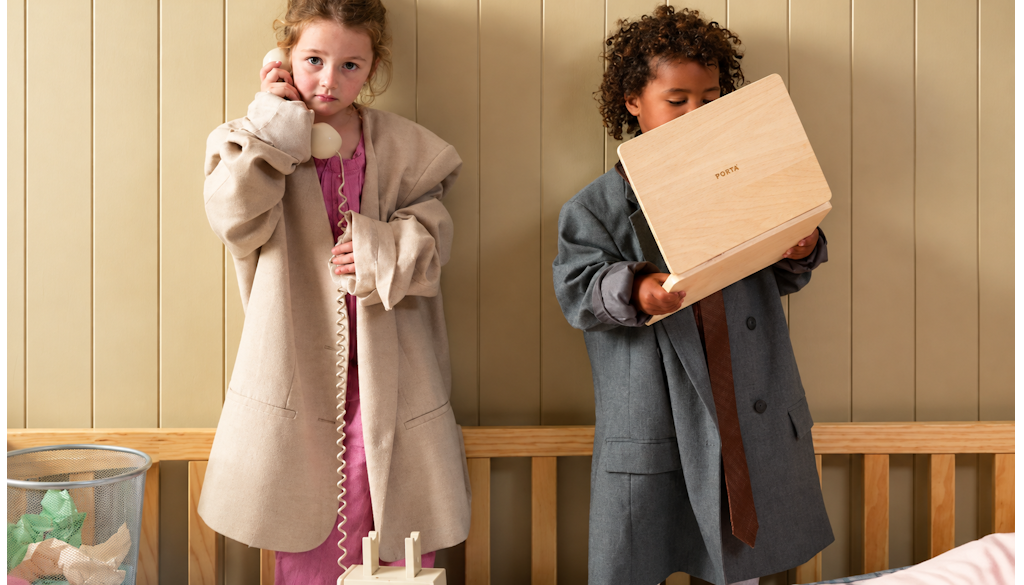
 Most people can ‘pre-hear’ language before they speak or write – but not everybody.
Jaririyawat/Shutterstock[4]
Most people can ‘pre-hear’ language before they speak or write – but not everybody.
Jaririyawat/Shutterstock[4]
Most of the operations of our brains are subconscious. For example, while we do not recommend it, we suspect many of you will have experienced driving while distracted, only to suddenly realise you are heading for your home or office instead of your intended destination. Loren feels most of her thoughts are like these subconscious operations of your mind.
What about planning? Loren can experience that as a combination of imagined textures, bodily movements and recognisable states of mind.
There is a feeling of completion when a plan has been formed. A planned speech is a sequence of imagined mouth movements, gestures and postures. Her artistic plans are experienced as textures. She never experiences an imagined audio or a visual listing of her intended actions.
There are vast differences between aphantasics
In contrast to Loren, Derek’s thoughts are entirely verbal. He was unaware, until recently, that other modes of thought were possible.
Some aphantasics report occasional involuntary imagined sensations, often of unpleasant past experiences. Neither of us have had an imagined visual experience, voluntary or involuntary, during our waking lives.
This highlights diversity. All we can do is describe our own particular experiences of aphantasia.
Frustrations and the humour of misunderstandings
Aphantasics can be frustrated at others’ attempts to explain our experiences. One suggestion has been that we might have imagined visual experiences, but be unable to describe them.
We understand the confusion, but this can seem condescending. We both know what it is like to have imagined sensations, so we believe we can recognise the absence of a particular type of imagined experience.
The confusion can go both ways. We were recently discussing an experiment. The study was too long, and had to be shortened. So we were considering which imagined visual scenario to cut.
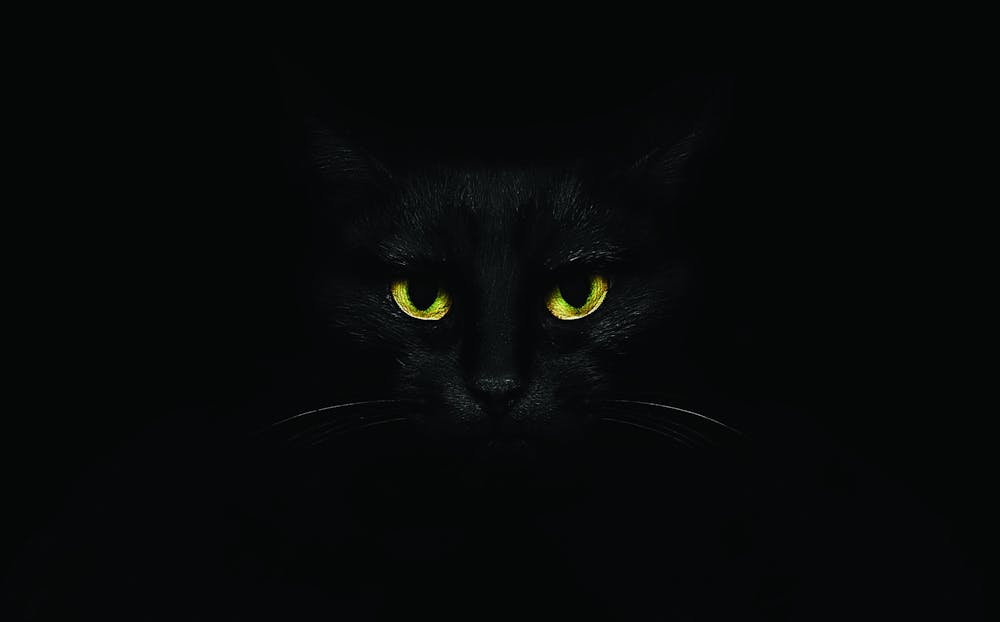 Can most people imagine a black cat with their eyes closed? Aphantasics were surprised to learn the answer is yes.
Watson Images/Shutterstock[5]
Can most people imagine a black cat with their eyes closed? Aphantasics were surprised to learn the answer is yes.
Watson Images/Shutterstock[5]
Loren suggested we cut a scenario asking people to imagine seeing a black cat with their eyes closed. We thought it might be hard to see an imagined black cat against the blackness of closed eyes.
The only person in the room who could have imagined visual experiences started laughing. Apparently it’s easy for most people to imagine seeing black cats, even when their eyes are closed.
Deep aphantasia
Researchers believe aphantasia happens when activity at the front of the brain fails to excite activity in regions toward the back of the brain. This “feedback[6]” would be necessary for people to have imagined experiences.
Loren seems to have a form of aphantasia that had not been described. Unsuccessful feedback in Loren’s brain seems to result in atypical experiences of actual visual inputs. So she cannot see the cube at the top of this article, or the face instead of a mop, or have a number of other typical experiences of visual inputs.
Read more: We're just starting to learn more about aphantasia, the inability to picture things with the mind's eye[7]
We coined the term “deep aphantasia” to describe people like Loren, who not only are unable to have imagined sensory experiences but also have atypical experiences of actual visual inputs.
Our goal in describing our experiences is to raise awareness that some aphantasics might have unusual experiences of actual visual inputs, like Loren. If we can identify these people, and study their brains, we may be able to understand why some people can conjure imagined sensory experiences at will, while others cannot.
We also hope that raising awareness of the different experiences people have when they think might encourage tolerance when people express different thoughts.
References
- ^ a new paper (www.frontiersin.org)
- ^ aphantasics (www.psy.uq.edu.au)
- ^ Aphantasia: ten years since I coined the term for lacking a mind’s eye – the journey so far (theconversation.com)
- ^ Jaririyawat/Shutterstock (www.shutterstock.com)
- ^ Watson Images/Shutterstock (www.shutterstock.com)
- ^ feedback (www.sciencedirect.com)
- ^ We're just starting to learn more about aphantasia, the inability to picture things with the mind's eye (theconversation.com)