


Things that go buzz in the night – our global study found there really are more insects out after dark
- Written by: Mark Wong, Forrest Fellow, School of Biological Sciences, The University of Western Australia
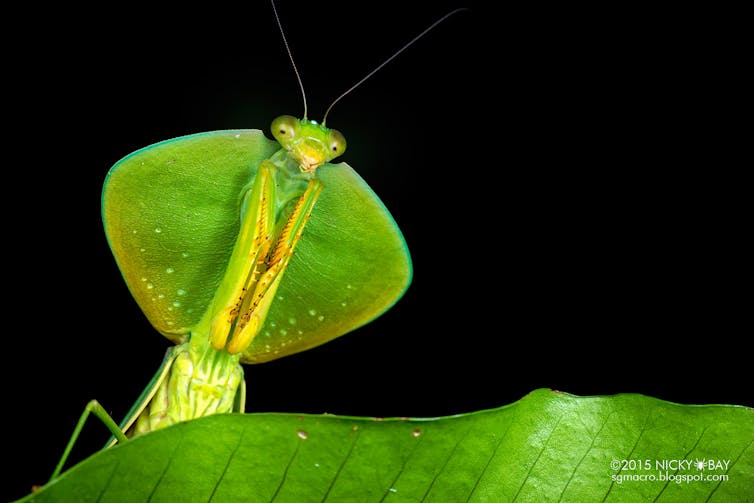
Have you ever wondered if there are more insects out at night than during the day?
We set out to answer this question by combing through the scientific literature. We searched for meaningful comparisons of insect activity by day and by night. It turns out only about 100 studies have ever attempted the daunting and rigorous fieldwork required – so we compiled them together to work out the answer.
Our global analysis[1] confirms there are indeed more insects out at night than during the day, on average. Almost a third more (31.4%), to be precise. But this also varies extensively, depending on where you are in the world.
High nocturnal activity may come as no surprise to entomologists and nature photographers. Many of us prowl through jungles wearing head torches, or camp next to light traps hoping to encounter these jewels of the night.
But this is the first time anyone has been able to give a definitive answer to this universal childlike question. And now we know for sure, we can make more strident efforts to conserve insects and preserve their vital place in the natural world.
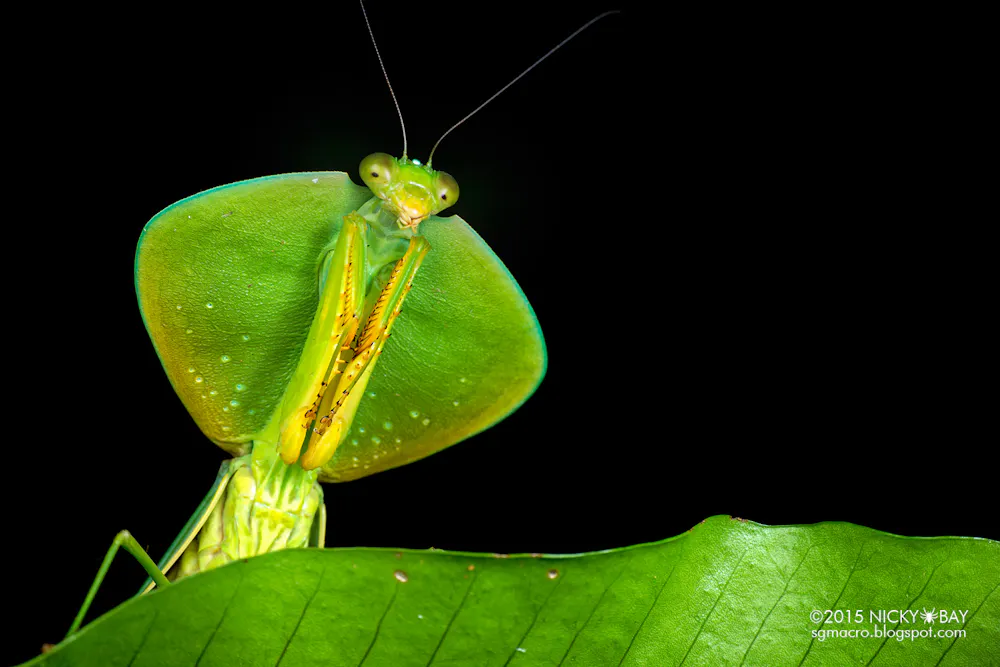
Building a global dataset of sleepless nights
We searched the literature for studies that sampled insect communities systematically across day and night.
We narrowed these down to studies using methods that would not influence the results. For instance, we excluded studies that collected insects by using sweep nets or beating branches, as these methods can capture resting insects along with active ones.
Studies using light traps or coloured pan traps had to be excluded too. That’s because insects are only attracted to these well-lit traps when there’s low light in the surrounding environment, so they don’t work so well during the day.
Read more: The surprising reason why insects circle lights at night: They lose track of the sky[3]
Instead, we targeted studies that sampled insects during the day and night with traps that specifically caught moving insects. These include pitfall traps (for crawling insects), flight interception traps (for flying insects) and aquatic drift nets (for swimming insects).
We also accepted studies using food baits such as dung, for some beetles or honey (for ants).
One of the most memorable studies we encountered sampled mosquitoes using (unfortunate) human subjects as bait[4]. Another had devised innovative automatic time-sorted pitfall traps[5] to minimise the labour required, as the specimens collected would automatically be delivered into different compartments at different times of the day.
But in most of the studies that we ended up including in our analysis, the data had been collected by entomologists who set up many traps before dawn, returned before sunset to collect the day’s samples and prepare more traps for the night, and finally, returned once more before dawn to retrieve the night’s samples.
To improve their estimates of insect activity, many studies reported data that spanned multiple days and field sites. The sacrifice of sleep in the name of science is a true testament to their dedication.
 Common methods for sampling insects such as sweep-netting (top left) can capture insects that are inactive during the sampling period. In contrast, sampling methods that intercept moving insects such as flight-interception traps (top right), pitfall traps (bottom left) and drift nets (bottom right) enable better comparisons of insect activity between day and night.
Roger Lee, Eleanor Slade, Francois Brassard and Sebastian Prati
Common methods for sampling insects such as sweep-netting (top left) can capture insects that are inactive during the sampling period. In contrast, sampling methods that intercept moving insects such as flight-interception traps (top right), pitfall traps (bottom left) and drift nets (bottom right) enable better comparisons of insect activity between day and night.
Roger Lee, Eleanor Slade, Francois Brassard and Sebastian Prati
Eventually, we homed in on 99 studies published between 1959 and 2022. These studies spanned all continents except Antarctica and encompassed a wide range of habitats on both land and water.
What did we find?
We found more mayflies, caddisflies, moths and earwigs at night. On the other hand, there were more thrips, bees, wasps and ants during the day.
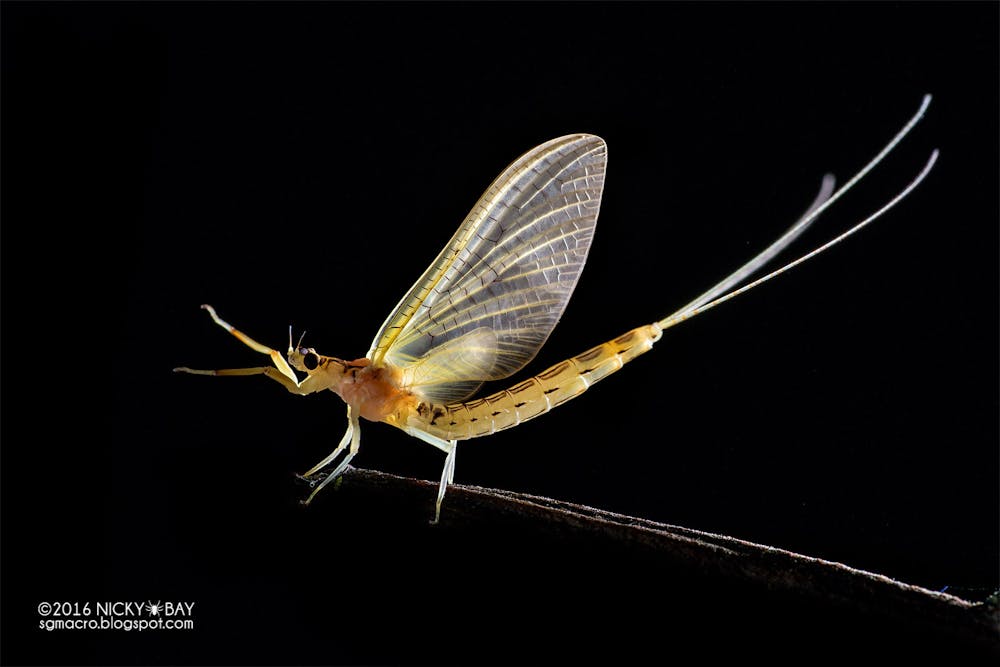 Many aquatic insects, such as mayflies, are more active at night.
Nicky Bay[6]
Many aquatic insects, such as mayflies, are more active at night.
Nicky Bay[6]
Nocturnal activity was more common in wetlands and waterways. In these aquatic areas, there could be twice as many insects active during the night.
In contrast, land-based insects were generally more active during the day, especially in grasslands and savannas. We found the number of insects out and about could triple during the day in these habitats.
This may have something to do with avoiding predators. Fish tend to hunt aquatic insects during the day, whereas nocturnal animals such as bats make life on land more hazardous at night.
We also found insects were more active at night in warmer parts of the globe, where there are higher maximum temperatures. Insects are “ectotherms”, which means they are unable to regulate their body temperature. They are particularly susceptible to extremes in temperature, both hot and cold. This finding underscores the role of climate in regulating insect activity.
Given temperatures peak during the day, higher maximum temperatures may foster increased nocturnal activity as more individuals seek to avoid heat stress by working in the dark.
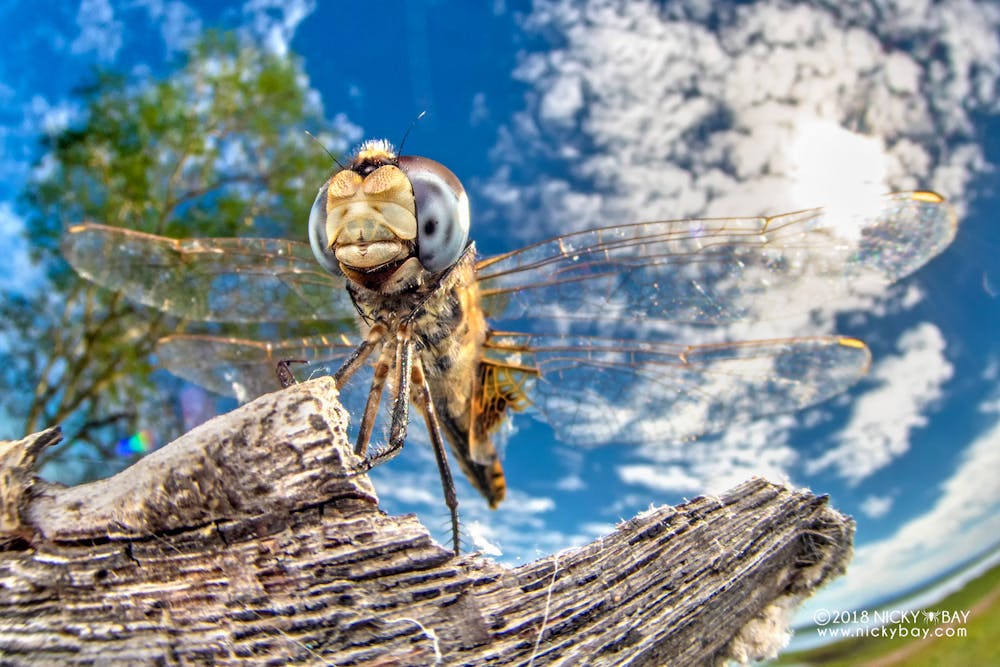 Insects lack the ability to regulate their body temperature. They’re more active when it is warmer, but there are limits. Sometimes they just need to rest or avoid the heat of the day altogether.
Nicky Bay[7]
Insects lack the ability to regulate their body temperature. They’re more active when it is warmer, but there are limits. Sometimes they just need to rest or avoid the heat of the day altogether.
Nicky Bay[7]
Findings underscore the threats to nocturnal insects
Insects perform many vital “ecosystem services” such as pollination, nutrient cycling and pest control. Many of these services may be provided at night, when more insects are active.
This means we need to curtail some of our own activities to support theirs. For instance, artificial lighting[8] is detrimental[9] to nocturnal insects.
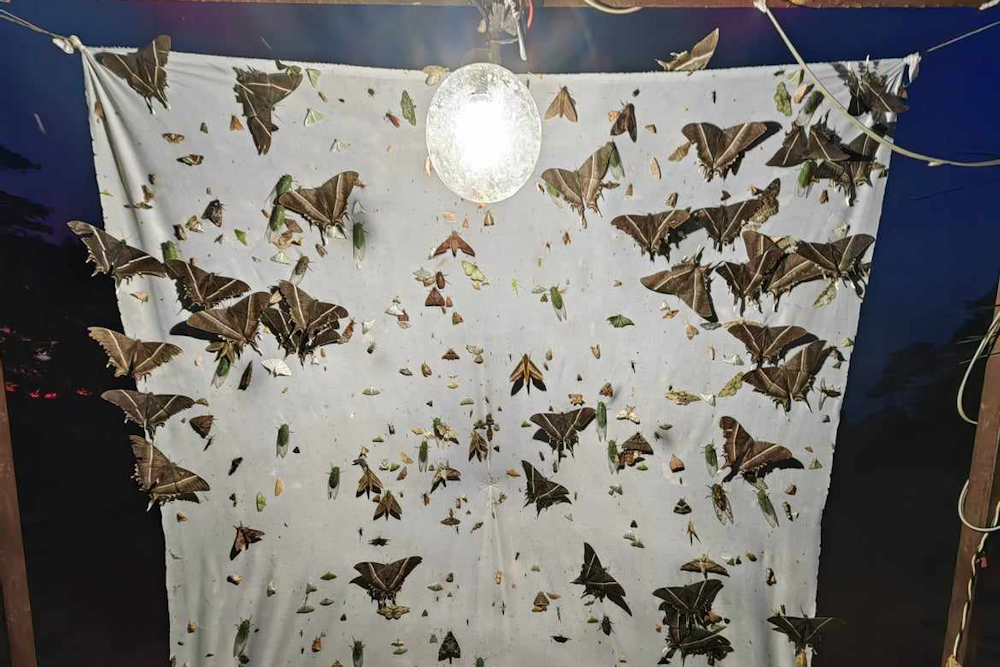 Artificial light, which can strongly attract and disorientate nocturnal insects, poses a significant threat to insect biodiversity and ecological functions.
Nicky Bay[10]
Artificial light, which can strongly attract and disorientate nocturnal insects, poses a significant threat to insect biodiversity and ecological functions.
Nicky Bay[10]
Our research also points to the threat of global warming. In the hottest regions of the globe such as the tropics, the warming trend may further reduce the activity of nocturnal insects that struggle to cope with heat. To this end, we hope our study motivates day-loving ecologists to embrace night-time ecology[11].
Insects are among the most diverse and important organisms on our planet. Studying their intricate rhythms represents not just a scientific endeavour, but an imperative for preserving wildlife.
Read more: Insects will struggle to keep pace with global temperature rise – which could be bad news for humans[12]
References
- ^ global analysis (www.nature.com)
- ^ Nicky Bay (www.nickybay.com)
- ^ The surprising reason why insects circle lights at night: They lose track of the sky (theconversation.com)
- ^ human subjects as bait (doi.org)
- ^ automatic time-sorted pitfall traps (www.cabidigitallibrary.org)
- ^ Nicky Bay (www.nickybay.com)
- ^ Nicky Bay (www.nickybay.com)
- ^ artificial lighting (www.nature.com)
- ^ detrimental (www.science.org)
- ^ Nicky Bay (www.nickybay.com)
- ^ night-time ecology (www.journals.uchicago.edu)
- ^ Insects will struggle to keep pace with global temperature rise – which could be bad news for humans (theconversation.com)










