We have bigger issues around freedom of speech than Lidia Thorpe’s noisy protest
- Written by: Michelle Grattan, Professorial Fellow, University of Canberra
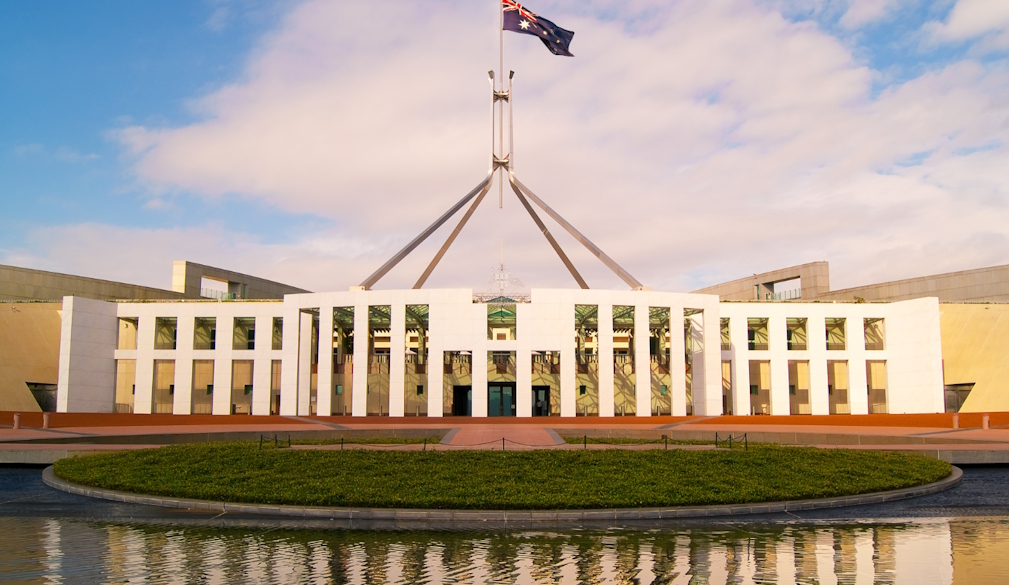
King Charles – as the old-fashioned saying goes – didn’t come down in the last shower. He’s unlikely to have been fazed by the outburst from independent senator Lidia Thorpe, who disrupted Monday’s Parliament House reception for the royals.
And neither, frankly, should anyone else.
Thorpe, clad in a possum-skin cloak, shouted: “You are not our king.”
“You destroyed our land. Give us a treaty. We want a treaty in this country. You are a genocidalist.”
“You committed genocide against our people. Give us our land back. Give us what you stole from us – our bones, our skulls, our babies, our people.”
The conduct of Thorpe, who used to be with the Greens and is an outspoken advocate of ‘Blak sovereignty’, was rude, albeit absolutely in character. She acts up in the parliament regularly.
As a senator, Thorpe, who was escorted out of the Great Hall, still yelling, had the right to be at the reception. And it is not the only time a parliamentarian has created a fuss when a dignitary was visiting. In 2003, Greens senator Bob Brown shouted out during the address to the joint houses by US President George W. Bush.
While not at all condoning Thorpe’s exhibitionism, she wasn’t inciting violence. Was she bringing our parliament into disrepute? Sadly, many parliamentarians do that all the time in less dramatic ways, as visitors to question time will tell you.
Those muttering that perhaps there should be some parliamentary censure of Thorpe are misguided. As Senate Opposition leader Simon Birmingham pointed out on Tuesday, Thorpe “would probably revel in being censured by the Senate”. The one thing she wants is publicity.
Thorpe pushes her right to air her views to the limit, but her antics are not at the sharp end of the current “free speech” debate in this country. There are two, very different and much more important, fronts in that debate.
One relates to the pro-Palestine demonstrations. The other is the government’s attempt to crack down on misinformation and disinformation on digital platforms.
Those on the political right tend to play down worries about limiting free expression when it comes to the pro-Palestinian demonstrations. On the other hand, they are worried about putting more restrictions on the internet. Those on the left tend to support the battle against misinformation and disinformation on digital platforms, and are less worried about its free speech impact.
Increasing antisemitism has fuelled calls for the ubiquitous pro-Palestinian protests to be curbed in some way.
Critics highlight the hate preached on occasion; they say the demonstrations make Jewish Australians feel unsafe, disrupt citizens’ weekends, and are a drag on police resources.
What are the relevant rights here, and their comparative weights? The right to free expression and protest. The right to feel safe. The right for people to go about their business without undue inconvenience. The tradeoffs are much more complicated than any questions thrown up by Thorpe’s behaviour.
The number and regularity of the pro-Palestine demonstrations have driven some critics to argue enough is enough. That is not convincing, and nor is the argument that these protests soak up police resources. Unfortunately, these are the costs of preserving the right to protest.
Much more troubling is that these protests can foster hate and make people feel threatened in their own country. Here balances must be carefully struck, and that’s hard.
Incitement laws must be enforced. Beyond that, demonstrations have to be managed, so that the protesters’ right to have their say and the safety of others, especially a vulnerable section of the population, are both preserved.
So for example, it’s important university campuses can have protests (as they always have). But “encampments” on campuses have been properly condemned and should not be allowed.
Even more complex in the free speech debate is how to deal with disinformation (the deliberate spread of false information) and misinformation (where the misleading is not deliberate).
The government presently has a bill in parliament seeking to combat misinformation and disinformation on digital platforms. It is a reworked version of a much-attacked earlier draft.
In her second reading speech on the bill last month, Communications Minister Michelle Rowland said:
To protect freedom of speech, the bill [which does not apply to “professional news content”] sets a high threshold for the type of misinformation and disinformation that digital platforms must combat on their services – that is, it must be reasonably verifiable as false, misleading or deceptive and reasonably likely to cause or contribute to serious harm.
The harm must have significant and far-reaching consequences for Australian society, or severe consequences for an individual in Australia.
Among the “serious harms” in the bill is “harm to the operation or integrity of an electoral or referendum process in Australia”.
The struggle against misinformation and disinformation on digital platforms will always be a losing one. The reach is just too vast.
But more particularly, there is also the problem that what is “misinformation” and “disinformation” can be less clear than one might think. On occasion, what seems wrong at the time turns out to be correct later.
Beyond those obvious points, some material so-labelled is not one or the other but disputed information.
For example, proponents of the Voice have blamed its loss at least partly on misinformation and disinformation. However, much of this involved highly contested claims, especially about an unpredictable future.
What this legislation does is push as much responsibility as it can, backed by a regulatory framework, onto the platforms to do the censoring of misinformation and disinformation, thus trying to avoid constitutional issues of implied freedom of political communication.
Human rights lawyer Frank Brennan has written, “The real challenge for Minister Rowland is that debating such a detailed bill without the backstop of a constitutional or statutory bill of rights recognising the right to freedom of expression, there are no clear guard rails for getting the balance right for ‘the freedom of expression that is so fundamental to our democracy’.”
All things considered, It is hard to see the bill clearing its obstacle course before the election.