Record renewables go into the grid in 2024, generating 45% of electricity in 2025
- Written by: Michelle Grattan, Professorial Fellow, University of Canberra
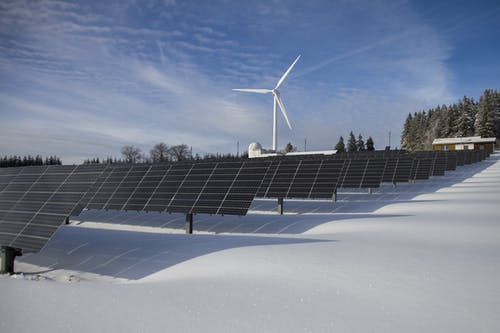
This year will set a record for the addition of renewables to the grid, according to figures to be released on Thursday by the Clean Energy Regulator.
It projects the average annual renewable share of the electricity market will be 45% in 2025. The Albanese government’s target is 82% by 2030.
Total added capacity of renewables is expected to be 7.2 to 7.5 gigawatts in 2024, says the CER, which is responsible for accelerating carbon abatement.
Large scale power station approvals this year are expected to exceed a capacity of 4.2 GW, after the approval of Australia’s largest wind farm, MacIntyre wind farm in Queensland at 923 MW.
The new generation capacity is mainly wind (70%) and “will result in a material step up in the share of renewables as these new power stations reach full generation in the second half of 2025”.
An extra 1.2 GW of capacity has been applied for and is expected to be approved early next year.
The CER also expects a 3.15 GW increase in small-scale rooftop solar capacity.
The Australian Energy Market Commission, which makes the rules for the electricity and gas markets, will release residential energy price trends projecting that over the next decade residential electricity costs will decline, while delays to renewables would increase costs.
The AEMC suggests a household that is fully electrified could reduce its annual energy spending by 70% (or $3500 a year).
Energy Minister Chris Bowen will use his Thursday climate statement to parliament to warn against shifting course away from renewables, arguing they will bring down prices.
In a speech released in part ahead of delivery, Bowen says the AEMC data confirms that more renewables in the system “will continue pushing energy bills down over the next ten years”.
He says the Clean Energy Regulator “is explicit in its finding that delays to renewables would in fact increase costs”.
Bowen says just under half of the 7.5 GW new renewable capacity “will come front rooftop solar, a sign that households and businesses are getting real value from the economic benefits that come when you harness free sunshine”.
He says the “world-beating uptake” means there is now more rooftop solar capacity in the system “than the entire fleet of coal-fired power stations across the country.
"That means households and businesses are winning on two fronts – looking after our future generations by bringing down emissions, and bringing down power bills today, and for years to come.”
“Suggestions that Australia should turn its back on advancements such as these and revert to a system dominated by fossil fuels will be the nail in the coffin to Australia reaching net zero by 2050.”
With a burst of hot weather this week, the NSW government on Wednesday urged businesses and households to conserve power between 3pm and 8pm. It suggested delaying the use of non-essential appliances such as dishwashers and pool pumps and if possible setting air conditioners to a higher temperature.
This followed the Australian Energy Market Operator forecasting there could be insufficient generation available to meet demand.
Questioned in parliament, Bowen played down the situation saying it was “not an unusual circumstance”.