Real Estate: Property Prices and Auction Results Tell a Story
- Written by: The Times
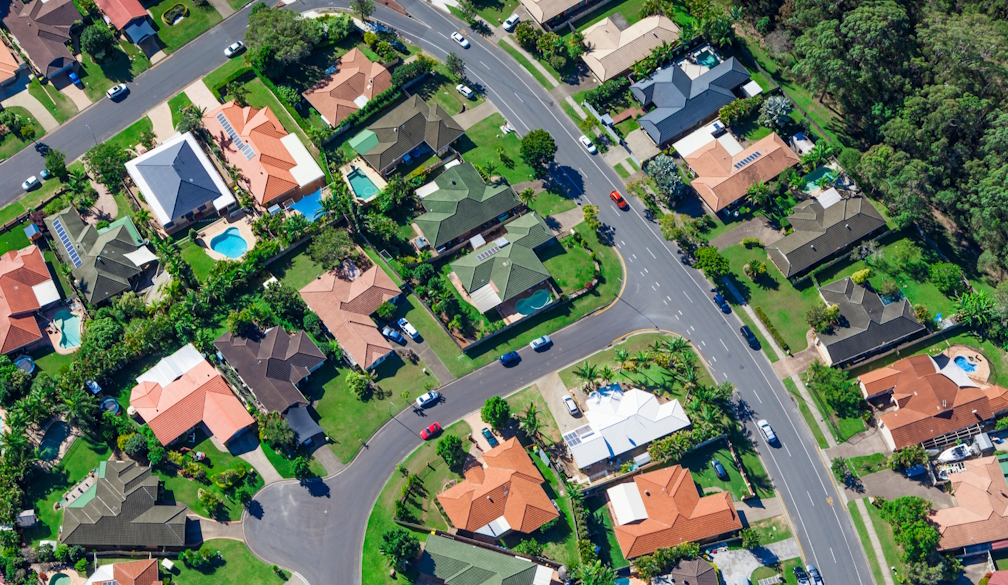
Australia’s property market is again sending mixed and increasingly uneasy signals as auction clearance rates, bank lending activity and buyer sentiment reveal a nation struggling to reconcile housing affordability with decades of extraordinary price growth.
For years, Australian residential property appeared almost untouchable. Prices climbed through economic booms, financial crises, pandemics and political upheaval. Investors became accustomed to the belief that housing values would always rise because “they always have”.
But beneath the surface, the market is beginning to show signs of stress.
Auction results across several capital cities have become more inconsistent. Buyer enthusiasm remains in select suburbs and prestige markets, yet many ordinary family homes are taking longer to sell, attracting fewer bidders and facing greater price resistance.
The property market is still functioning, but confidence no longer appears automatic.
Auction Results Reveal A More Cautious Market
Auction clearance rates have long been viewed as one of the clearest indicators of market confidence.
During the boom years, packed auction crowds, emotional bidding and rapid price escalation became normal across Sydney, Melbourne and increasingly Brisbane and Perth.
Today, the mood is more restrained.
Some well-positioned homes continue achieving strong results, particularly in tightly held suburbs with limited stock. However, agents are also reporting more passed-in auctions, more vendor negotiations after failed auctions and buyers unwilling to stretch beyond perceived value.
In simple terms, buyers appear more cautious.
The era of panic buying at almost any price may be slowing.
That does not necessarily mean prices will collapse, but it does suggest Australians are becoming increasingly aware that property prices cannot indefinitely outpace wages, productivity and broader economic growth forever.
Twenty Years Of Rising Prices Raises The Bubble Question
One uncomfortable question is increasingly entering public discussion:
Has Australia created a long-term property bubble?
For more than two decades, residential property values in many Australian cities have risen dramatically. In some suburbs, prices have multiplied several times over while household incomes failed to keep pace.
This has created enormous wealth for existing owners and investors, but growing barriers for younger Australians attempting to enter the market.
Critics argue the market has become detached from ordinary economic reality.
Supporters of the market counter that Australia has structural housing shortages, population growth and desirable urban lifestyles that justify higher prices.
Both arguments contain truth.
Yet history suggests no asset class rises indefinitely without interruption.
Property, like shares, iron ore or gold, ultimately depends on demand and confidence.
When confidence weakens, markets can change rapidly.
Bank Lending Still Drives The Market
Australian real estate remains heavily dependent on bank lending.
Without accessible finance, much of the market’s extraordinary price growth would never have occurred.
For years, historically low interest rates allowed buyers to borrow larger sums while maintaining manageable repayments. Investors also benefited from tax incentives and strong capital growth expectations.
But lending conditions have tightened considerably.
Banks are scrutinising borrower expenses more closely. Serviceability assessments remain tougher than during the ultra-low rate era. Mortgage stress has increased among some households.
Even where buyers technically qualify for loans, many are becoming psychologically reluctant to take on enormous debt.
A young family borrowing well over $1 million for a modest suburban property may increasingly wonder whether the risk is sensible.
This change in psychology matters.
Property markets often move not only on finance availability but on confidence and emotion.
Investors Are Becoming More Wary
Investors once formed a major pillar of Australia’s residential property market.
Many Australians purchased investment properties while continuing to rent or live elsewhere themselves. The combination of capital growth, tax settings and relatively low interest rates created a powerful investment culture.
But sentiment is changing.
Higher interest rates, rising maintenance costs, insurance increases, council rates and uncertainty surrounding future tax policies are making some investors more cautious.
Recent federal budget discussions and concerns over changes affecting property taxation have further unsettled parts of the investment market.
Some investors now question whether the traditional Australian property formula still works as effectively as it once did.
The concept of negatively geared property held primarily for long-term capital growth may no longer appear as attractive in a slower-growth environment with elevated holding costs.
The Next Generation Faces A Different Reality
Perhaps the most confronting issue facing Australia’s property market is generational affordability.
For many younger Australians, home ownership increasingly feels delayed far beyond previous generations.
The idea of buying a first home in one’s twenties has become unrealistic in many major cities unless buyers receive significant family assistance.
Many Australians now expect:
• Larger Deposits
• Longer Mortgage Terms
• Delayed Family Formation
• Shared Ownership Arrangements
• Inheritance Assistance
• Living With Parents Longer
Some observers argue an entire generation risks becoming middle-aged before achieving outright home ownership.
This has broader social implications beyond economics.
Housing security affects family planning, retirement preparation, mobility and long-term wealth creation.
Australia’s traditional pathway of steady work leading to home ownership no longer appears guaranteed.
Migration Continues To Support Demand
One of the strongest supports underpinning Australian property demand remains migration.
Australia continues to attract large numbers of overseas arrivals including skilled migrants, international students and permanent residents.
These arrivals increase demand for:
• Rental Housing
• Apartments
• Family Homes
• Infrastructure
• Urban Services
Critics argue migration is masking deeper economic weakness.
Some economists suggest population growth has helped Australia avoid a technical recession by stimulating consumption, housing demand and labour force growth.
Without strong migration numbers, economic activity may appear far weaker.
Ironically, the same migration intake that supports broader economic activity also intensifies housing demand and rental pressure.
More people require more homes.
This creates upward pressure on rents and, over time, property prices.
Property Remains A Commodity
Australians often speak about housing emotionally because homes represent family security and lifestyle.
Yet property also behaves like any other traded commodity.
Its value depends heavily on supply, demand, borrowing capacity and confidence.
If demand exceeds supply, prices tend to rise.
If buyers retreat or financing becomes difficult, prices can stagnate or fall.
This reality can sometimes clash with the deeply ingrained Australian belief that property “always goes up”.
Markets rarely move in straight lines forever.
The critical question is whether Australia experiences:
• A Controlled Slowdown
• A Long Period Of Flat Growth
• A Significant Correction
• Or Another Renewed Boom Driven By Migration And Supply Shortages
At present, the answer remains uncertain.
Governments Face Increasing Pressure
Housing affordability is now becoming one of Australia’s defining political and economic issues.
Governments face growing pressure to address:
• Housing Supply
• Planning Restrictions
• Infrastructure Costs
• Investor Tax Settings
• Rental Availability
• First Home Buyer Access
Yet every proposed solution creates winners and losers.
Existing homeowners generally benefit from higher property prices.
Younger buyers benefit from lower prices.
Investors seek certainty and returns.
Renters seek affordability and availability.
Balancing these competing interests has become politically difficult.
The Market’s Message Is Becoming Clearer
Australia’s property market is still supported by strong population growth, limited housing supply and cultural attachment to real estate ownership.
But auction results, lending conditions and shifting buyer psychology suggest the market is entering a more complicated phase.
The extraordinary momentum of the past 20 years may no longer be guaranteed.
For younger Australians, the dream of home ownership increasingly depends on inheritance, parental support or accepting enormous debt burdens.
For investors, the equation has become less certain.
And for governments, the housing debate may become one of the defining challenges of the next decade.
The property market is telling a story.
Australians are now waiting to see how that story ends.