


Hybrids, Not EVs, May Be Australia's Practical Future
- Written by: The Times
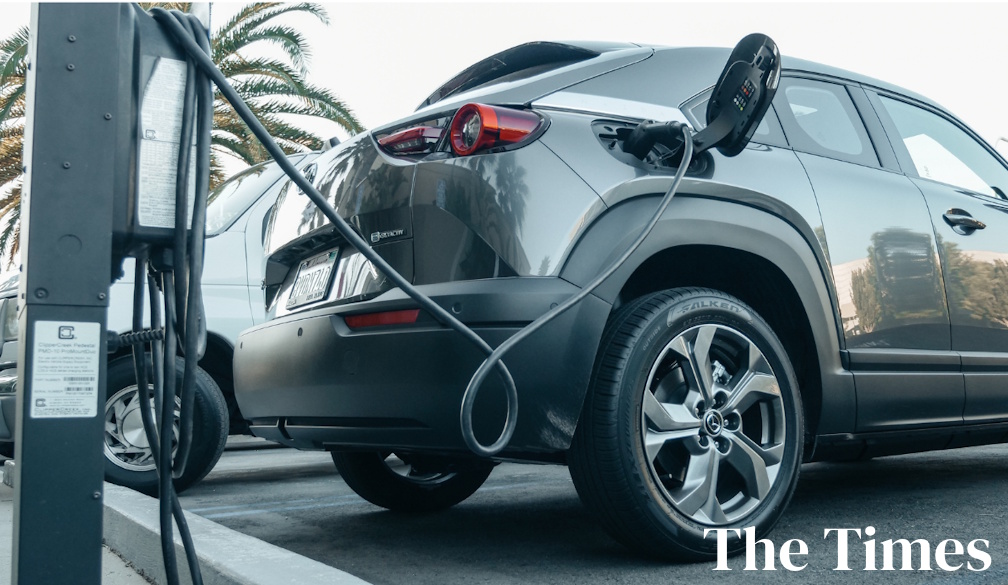
Electric vehicles have transformed the automotive industry. They are quiet, quick, inexpensive to run and produce no tailpipe emissions. Yet for many Australians, the question is no longer whether electric vehicles are good. It is whether governments are trying to accelerate their adoption faster than consumers themselves would choose.
Across Australia and much of the world, governments have introduced emissions standards, tax incentives and long-term policies designed to encourage the transition away from conventional petrol and diesel engines. Supporters argue these measures are necessary to reduce emissions. Critics counter that consumer choice should determine the future of transport rather than legislation and taxation.
Between the traditional petrol engine and the fully electric vehicle sits a third option that is rapidly gaining favour: the hybrid.
For many Australian motorists, hybrids offer a practical compromise. They retain the convenience of petrol while delivering significant fuel savings, particularly in city driving.
Why hybrids appeal to Australian drivers
Hybrid vehicles combine a petrol engine with an electric motor and battery. Unlike most fully electric vehicles, they do not require charging from the electricity grid. The battery is recharged automatically through regenerative braking and by the petrol engine itself.
That brings several advantages:
- No charging stations are required.
- Long-distance touring remains simple.
- Refuelling takes only a few minutes.
- Excellent fuel economy in urban traffic.
- Lower emissions than conventional petrol vehicles.
- Reduced "range anxiety" when travelling in regional Australia.
- Proven reliability from manufacturers with decades of hybrid experience.
For a country the size of Australia, these are important considerations. Many Australians regularly drive hundreds of kilometres between regional towns where fast charging infrastructure remains less common than in major cities.
The challenges facing electric vehicles
Electric vehicles continue to improve, but several concerns remain for some buyers.
Among the issues frequently raised are:
- Higher purchase prices than equivalent petrol or hybrid vehicles.
- Charging times that remain far longer than filling a fuel tank.
- Public charging availability varies considerably outside metropolitan areas.
- Battery replacement costs remain a long-term consideration.
- Towing and heavy loads can substantially reduce driving range.
- Long holiday journeys may require additional planning around charging stops.
- Depreciation of some models has been greater than many early buyers expected.
These concerns will almost certainly diminish as technology develops. However, today they remain part of many purchasing decisions.
Australia's most popular hybrids
Several manufacturers have built strong reputations for hybrid technology.
Among Australia's strongest-selling hybrid models are:
- Toyota RAV4 Hybrid
- Toyota Corolla Hybrid
- Toyota Camry Hybrid
- Toyota Kluger Hybrid
- Toyota Corolla Cross Hybrid
- Honda CR-V e
- Hyundai Kona Hybrid
- Hyundai Tucson Hybrid
- Kia Sportage Hybrid
- Lexus NX Hybrid
Toyota continues to dominate Australia's hybrid market, having invested in the technology for more than two decades.
What about tax concessions?
Government incentives have largely focused on fully electric vehicles.
Recent fringe benefits tax concessions for eligible electric vehicles have helped reduce ownership costs for many salary-packaged employees. Plug-in hybrid vehicles were previously eligible under transitional arrangements, but those concessions have largely been phased out for new purchases. Conventional self-charging hybrids generally do not receive the same level of tax support as battery-electric vehicles.
That means many Australians continue choosing hybrids despite fewer government incentives, suggesting that practicality rather than tax benefits is driving demand.
A market led by consumers
The debate over Australia's transport future is unlikely to disappear.
Electric vehicles will undoubtedly become more capable, more affordable and more widespread over time. They already suit many urban households exceptionally well.
Yet Australia's geography is unique. Long distances, regional communities and varying charging infrastructure mean there is unlikely to be a single solution for every driver.
Rather than replacing petrol cars overnight, hybrids may prove to be the technology that best matches how millions of Australians actually travel today. They combine lower fuel consumption with familiar refuelling, making them an attractive bridge between the internal combustion engine and an increasingly electric future.
Ultimately, consumers—not governments—will determine which technology succeeds. History suggests that when motorists are offered vehicles that are affordable, practical and reliable, they rarely need to be persuaded. They simply buy what works best for their own lives.










