Australia's Electricity Transition: Are Households Getting Value for Money?
- Written by: The Times
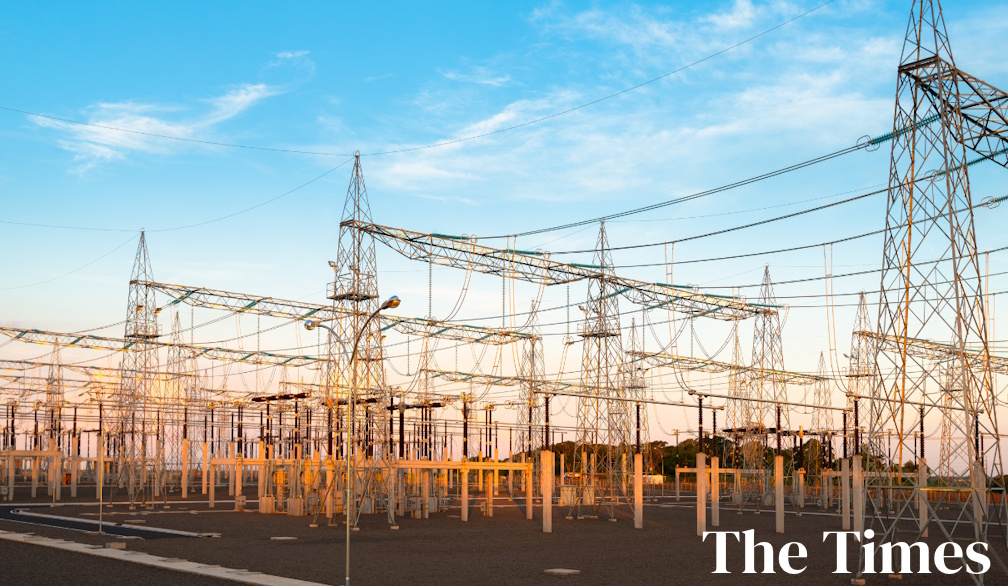
Australia's energy system is undergoing its biggest transformation in generations.
Coal-fired power stations are gradually retiring. Wind farms continue to expand. Solar panels now cover millions of Australian rooftops, while governments and private investors are committing billions of dollars to transmission infrastructure, batteries and renewable energy projects.
The goal is clear: a cleaner, more reliable electricity system capable of meeting Australia's future energy needs.
The question Australians continue to ask is equally clear.
Is the investment delivering value?
Electricity remains the backbone of the modern economy. Every household, factory, supermarket, hospital and small business depends upon reliable and affordable power. When electricity prices rise, the effects ripple through the entire economy, increasing the cost of producing goods and delivering services.
Today's electricity system is more diverse than it was a decade ago. Coal remains Australia's largest single source of electricity generation, while gas continues to play an important role during periods of peak demand and when renewable generation falls. Wind and solar now contribute an increasingly significant share of the nation's electricity supply, supported by hydroelectric generation and growing battery storage capacity. In 2025, fossil fuels still supplied about 60% of Australia's electricity, while renewables provided almost 40%, reflecting the continuing transition rather than its completion.
Supporters of renewable energy argue the long-term benefits are compelling. Wind and solar have no fuel costs, emissions are reduced and battery technology continues to improve. They point to increasing renewable generation and falling wholesale electricity prices in parts of the market as evidence that the transition is beginning to deliver results.
Critics argue that the transition has come at considerable cost. They point to the billions being invested in transmission lines, large-scale batteries and supporting infrastructure, while noting that coal and gas continue to provide much of the reliability the grid requires. They question whether households are yet seeing a return on that investment.
For most Australians, however, the debate is less about technology than household budgets.
Families receive two bills.
The first arrives from their electricity retailer.
The second is less obvious. It arrives through government spending on energy programs, infrastructure and incentives that are ultimately funded by taxpayers.
Australians pay both.
That is why the scorecard for any energy policy should be straightforward.
Is electricity becoming more reliable?
Are blackouts becoming less frequent?
Is Australian industry remaining competitive?
Most importantly, are households paying less for the power they use?
The answers are becoming clearer, but they remain mixed. Wholesale electricity prices have eased in some markets as renewable generation and battery storage have increased, although network charges, retail costs and other factors continue to influence what consumers ultimately pay on their bills.
Australia's energy transition is far from complete.
Governments of all political persuasions will continue debating the best mix of coal, gas, renewables, storage and future technologies. But regardless of politics, most Australians are likely to judge success using a far simpler measure than policy targets or technical reports.
When the next power bill arrives, does it leave more money in the family budget than the last one?