The Hidden Cost of the EV Boom: Who Will Deal With Australia's Used Batteries?
- Written by: The Times
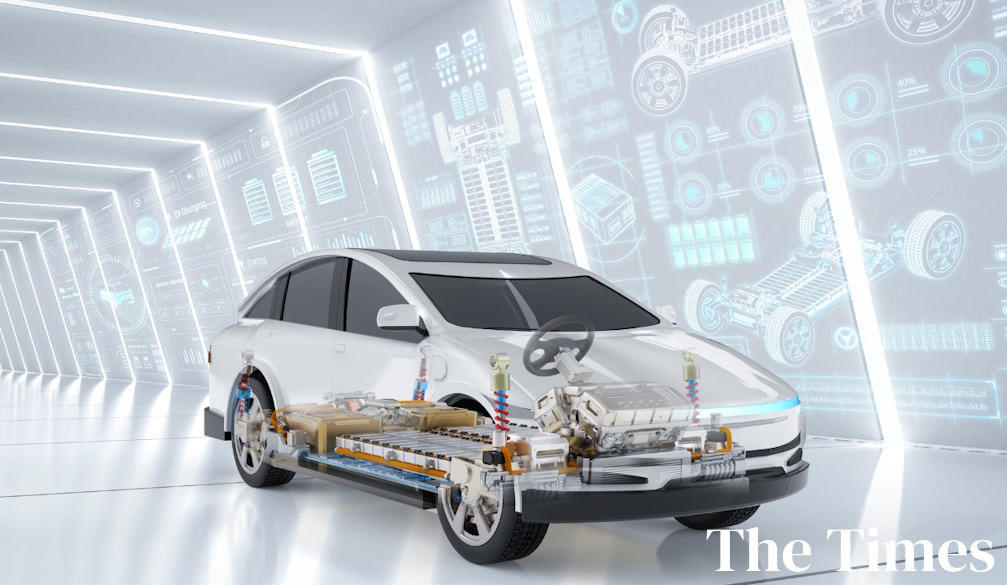
Australians are embracing electric vehicles in record numbers. Rising fuel prices, stricter emissions standards, generous government incentives and an increasingly competitive market have transformed electric cars from niche products into mainstream transport.
Much of that growth has been driven by Chinese manufacturers, whose combination of advanced technology, attractive styling and aggressive pricing has reshaped the Australian market. Brands once unfamiliar to Australian motorists are now among the country's fastest-growing vehicle manufacturers.
Yet beneath the excitement surrounding the transition to electric transport lies an environmental question that Australia will increasingly need to answer.
What happens when millions of EV batteries reach the end of their lives?
Why EV sales are accelerating
Several forces are working together.
Governments want to reduce greenhouse gas emissions from transport, one of Australia's largest sources of carbon emissions.
At the same time, motorists are responding to economic reality.
Higher petrol and diesel prices have made electricity an increasingly attractive alternative for daily commuting, particularly for households with rooftop solar.
Manufacturers have also dramatically improved their products.
Early electric vehicles were often expensive, limited in range and lacking refinement.
Today's models commonly offer:
- More than 500 kilometres of driving range.
- Luxury interiors.
- Advanced driver assistance technology.
- Rapid charging capability.
- Purchase prices increasingly comparable with conventional vehicles.
Chinese manufacturers have been particularly influential, combining scale, modern battery technology and lower production costs to deliver highly competitive vehicles.
The battery challenge
An electric vehicle battery is expected to last between 10 and 20 years, depending on use and chemistry.
Australia's EV fleet remains relatively young, meaning only modest numbers of batteries are currently reaching retirement.
That situation will change dramatically during the 2030s.
Unlike conventional car batteries, EV battery packs can weigh several hundred kilograms and contain valuable materials including:
- Lithium
- Nickel
- Cobalt
- Copper
- Graphite
- Aluminium
These materials are too valuable simply to bury in landfill.
However, damaged batteries can also present significant fire risks if handled improperly.
Can they be recycled?
Increasingly, yes.
Many battery packs retain substantial storage capacity after they are no longer suitable for vehicles.
Some are finding a second life storing electricity for homes, businesses or renewable energy projects before eventually being dismantled for material recovery.
Australia is gradually developing battery recycling capability, although much of the industry remains in its early stages.
The aim is to recover valuable minerals for reuse in manufacturing rather than continually mining new resources.
This supports both environmental objectives and Australia's ambitions to build a larger critical minerals industry.
Who pays?
One question attracting growing attention is responsibility.
At present there is no nationwide consumer levy equivalent to those applied in some other waste streams.
Australia has long imposed arrangements that help fund environmentally responsible disposal of products such as used lubricating oil through the Product Stewardship (Oil) Scheme.
That system places a levy on new oil sales, helping finance collection and recycling.
Electric vehicle batteries operate differently.
Instead of a dedicated battery disposal tax paid by consumers, governments are increasingly relying on product stewardship, under which manufacturers, importers and industry share responsibility for recovering batteries at the end of their useful life.
As EV numbers grow, governments may eventually review whether additional funding mechanisms are needed to support large-scale collection and recycling.
Is there an environmental risk?
Potentially—but not necessarily.
If Australia develops sufficient recycling capacity before today's EV fleet begins retiring in large numbers, used batteries could become an important source of valuable industrial materials.
If recycling infrastructure fails to keep pace with sales growth, governments and industry could face mounting challenges involving storage, transport, safety and disposal.
The issue is not unlike Australia's earlier experiences with tyres, electronic waste and solar panels, where rapid product adoption was followed by the need to build new recycling industries.
Planning ahead will be crucial.
The Times View
Australia's transition to electric vehicles is gathering momentum, driven by environmental policy, economics and rapid advances in vehicle technology. The next challenge will not be selling EVs, but ensuring their batteries do not become tomorrow's waste problem. With thoughtful regulation, strong product stewardship and investment in recycling infrastructure, today's batteries could become tomorrow's valuable resource rather than tomorrow's environmental liability.